Netflix has become the second best anime streaming platform. After Crunchyroll, which takes the lead in this aspect, Netflix has bet on dozens of animated series from Japan that are booming worldwide, and is even developing a One Piece remake in its own style.
Now, the platform has just released the trailer for its next big anime series: The Grimm Variations. It is an adaptation of the Brothers Grimm’s tales, the classic European stories… that this time will go through the special Japanese filter.
A new twist on traditional tales
The Grimm Variations will be a six-chapter anthology from the Japanese production company Wit Studio, which is behind Spy x Family and Ranking of Kings. In other words, quality is guaranteed. In these six chapters, we will see the adaptation of the stories of Cinderella, Little Red Riding Hood, Hansel and Gretel, The Elves and the Shoemaker, The Musicians of Bremen, and The Pied Piper of Hamelin. They will all be available on April 17th.
Magical series and movies inspired by fairy tales that can be streamed
Xiaomi, a company better known for its smartphones and other gadgets than for its cars, presented its first electric vehicle for the Chinese market last year. But the price of the new SU7 was not announced until its official presentation on Thursday, and it is lower than many expected.
Lei Jun, CEO of Xiaomi, said that the standard version of the SU7 will be sold for $30,000 (215,900 yuan), although as CNBC pointed out, this means that each vehicle will be sold at a loss.
The price is remarkable because it is considerably lower than Tesla’s Model 3, which starts at $34,000 (245,900 yuan) in China.
Lei dared to claim that the standard version of the SU7 surpasses Tesla’s Model 3 in more than 90% of its specifications, and added that the new car offers a minimum driving range of 700 kilometers, which is about 93 kilometers more than the Model 3.
The first EVs from Tesla’s only factory in China rolled off the production line in 2019. More recently, it has been cutting the price of its cars to better compete with Guangdong-based BYD and other EV manufacturers in the lucrative Chinese market.
BYD sold a record-breaking 526,000 battery-powered vehicles worldwide in the last quarter of last year, overtaking Tesla for the first time in a single quarter. But for the whole of 2023, Tesla is in the lead.
Tesla’s management team will be closely monitoring the Chinese market with even more interest in the coming months, especially because the first sales figures suggest that there is a great interest in the SU7 after Xiaomi reported on Thursday more than 50,000 orders in its first 27 minutes of availability. Deliveries will begin next month.
Xiaomi plans to invest $10 billion in the automotive sector over the next decade, and the company has stated that it could enter the global market in the next two years. It also aims to become one of the top five car manufacturers in the world in the next 15 to 20 years.
Given that the ability to surprise everyone with its releases is a fundamental component of Apple’s marketing, leaks are something to be taken very seriously.
Apple is known for the veil of mystery that usually surrounds its releases. From the surprise that Steve Jobs gave to the world with the iPhone to the Apple Vision Pro, the company hopes to surprise us on stage without us knowing anything about the products before they become public. There are always rumors, however, and although sometimes they come from the supply chain, sometimes they come from Apple Park itself.
The mystery that Apple surrounds its launches with, although sometimes it allows for wordplay and hints, is actually a marketing strategy. This marketing strategy, which aims to “surprise and delight” its audience, relies heavily on the company’s ability to keep the details of its new products and innovations secret until the moment of their official presentation. Therefore, leaks not only represent a breach of trust, but they can also undermine Apple’s business strategy.
As reported by MacRumors, Andrew Aude, who joined Apple in 2016 as an iOS software engineer, right after graduating from college, was assigned to projects that optimized battery performance. This role gave him access to information about dozens of Apple’s most sensitive projects. According to the lawsuit filed by Apple in a California state court, Aude began leaking confidential information using his work iPhone.
Over the course of five years, Aude would have leaked details about over half a dozen Apple products and policies. Among them, there is the Journal/Diario app, yet to be announced at the time, the same Apple Vision Pro, product development policies, regulatory compliance strategies, employee headcounts, and more. For example, in April 2023, Aude would have leaked a list of features that the iPhone Journal app would have to a journalist from The Wall Street Journal. An app that we later saw officially announced at the WWDC the following June, but of which we already knew more than Apple would have wanted.
Aude used the encrypted messaging application Signal to send over 1,400 messages to this journalist — like the ones in the screenshot below — and over 10,000 text messages to a journalist from The Information website, even traveling to the other coast of the United States to meet with her.
Apple discovered the behavior that Aude had been having in late 2023 and fired him for alleged misconduct in December of that year. The company claims that Aude initially denied leaking confidential information, but that during an interview he went to the bathroom to delete “significant amounts of evidence” from his work iPhone, including the Signal app he used to communicate with journalists.
In a follow-up interview to that, in December 2023, Apple claims that Aude admitted some of its disclosures, but asserts that it only provided a “specific admission limited to the information that it had not been able to destroy.” Faced with the magnitude of the situation and the obvious breach of trust, Apple attempted to resolve this matter out of court, however, it encountered a lack of cooperation from Aude.
The company emphasizes that it does not take lightly the decision to sue its former employees. However, “due to Mr. Aude’s intentional destruction of evidence, Apple is unable to fully ascertain the extent of what was disclosed, to whom, and when.”
In an attempt to resolve the situation without resorting to legal action, “Apple contacted Aude more than a month before filing the lawsuit, seeking to understand the full extent of their leaks and requesting their full cooperation to resolve the matter without litigation. However, Aude did not commit to cooperate, which ultimately led Apple to take legal action against them.” Apple has requested a jury trial and has set damages at over $25,000, in addition to compensatory and punitive damages to be determined at trial.
Cases like this highlight the challenges that technology companies face in maintaining confidentiality in an era of instant and global communication, but also the measures they are willing to take to protect their intellectual property and market strategies. Being able to surprise everyone with their releases is a fundamental component of Apple’s marketing, so leaks are something to take very seriously.
With the legal process underway, the case of Andrew Aude against Apple will not only determine the legal consequences for Aude, but will also set a further precedent regarding how leaks are handled within the technology industry. An industry that invariably captures our attention and makes us want to know everything as soon as possible, like the release date of the 2024 iPads, but also wants some of its releases to take us by surprise.
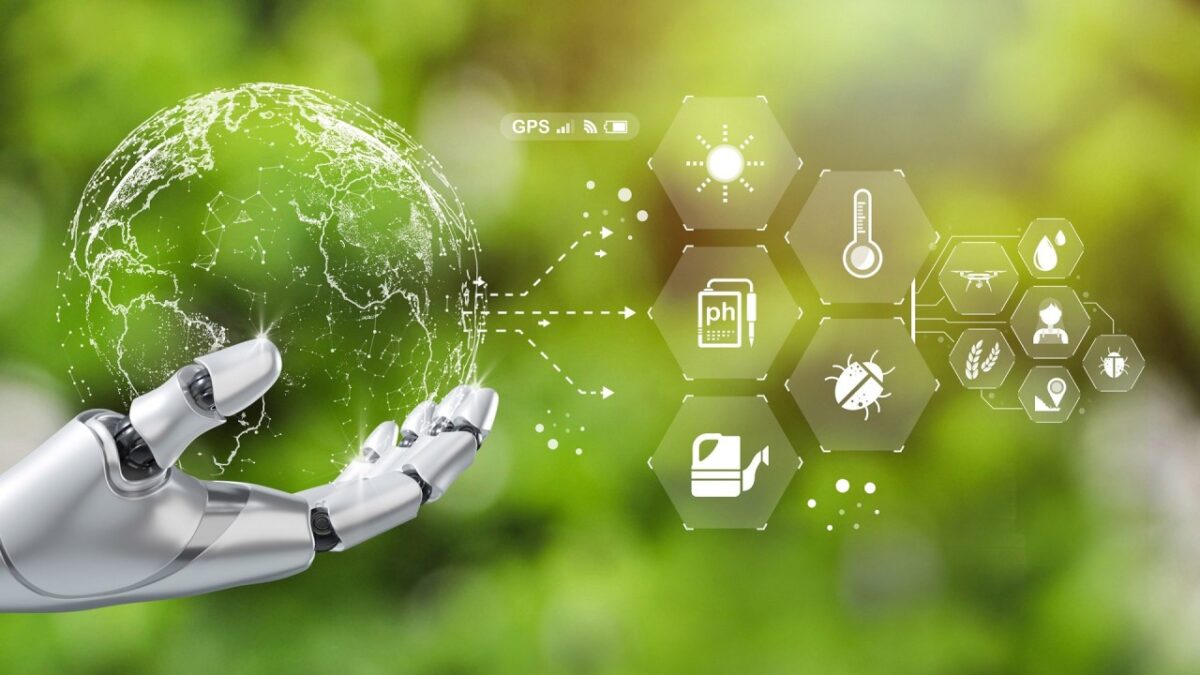
With 95% accuracy, organizations can save trees by eliminating the use of paper, while also reducing the amount of carbon emitted.
With global warming exceeding 1.5 degrees for the first time in a year, stakeholders are wondering where the bulk of the responsibility should lie to prevent the climate crisis from worsening. AI does not help to stop this unstoppable warming.
Climate change continues to be a matter of vital importance for both consumers and companies amidst these global efforts to reduce CO2 emissions, which is a bad omen for the public image of any company that uses AI tools that consume without keeping their carbon footprint under control.
And what is more important, the unbridled and uncontrolled use of AI could have disastrous consequences for the environment, due to the high energy and water consumption required by the servers that power AI.
Despite the apparent ecological apathy of recent legislation, such as the EU AI law andPresident Biden’s executive order, which largely focus on other aspects of AI responsibility, some of the leading AI players have begun to self-regulate proactively and work towards sustainable AI use. Here are some ways in which AI leaders are addressing AI with ecological awareness.
Artificial Intelligence for Specific Purposes
Many of the drawbacks of generative AI and LLM stem from the enormous data warehouses that need to be traversed to extract value. This not only poses risks in terms of ethics, accuracy, and privacy, but also greatly exacerbates the amount of energy required to use these tools.
Instead of very general AI tools, companies have started to opt for more specific AI, specialized in specific tasks and objectives. For example, ABBYY has adopted this approach by training its machine learning models and natural language processing to specifically read and understand documents that go through the company’s systems as if they were humans.
With pre-trained AI skills to process very specific types of documents with 95% accuracy, organizations can save trees by eliminating the use of paper, while reducing the amount of carbon emitted through cumbersome document management processes.
Train the developers
AI companies don’t have to bear the burden of sustainable AI on their own: some are proactively putting the ball in the developers’ court.
This allows developers and organizations to limit the use of AI with a high degree of customization, cutting excessive functions and data that amplify ecological damage.
For example, developers could design GPT for limited purposes such as creative writing tips, culinary information, technical support, or any other specific niche.
Watch | Prime Minister @narendramodi and @BillGates interact on AI, climate change, and women empowerment
In addition, companies can use AI as a tool to explore other facets of their business where sustainability could be prioritized. Forrester highlights the measurement, reporting, and data visualization capabilities of artificial intelligence to suggest that it could drive a climate revolution on its own.
Although objectively important, emissions are not the only metric used to encompass ecological impacts: studies have shown that a combination of robotics and AI has reduced herbicide use in some contexts by 90%.
While companies continue to grapple with the usefulness and consequences of AI, they must explore the full breadth of its ability to enhance and contribute to sustainability.
The latest results of CD Projekt’s fiscal year have revealed new information related to The Witcher 4. According to the published data, the development team in charge of the new Witcher game consists of 403 employees.
Michal Nowakowski, deputy CEO, has explained that after the launch of Phantom Liberty, the DLC for Cyberpunk 2077, there are only 17 workers working on the game. A move that has been very beneficial for the Polares team, which as mentioned at the beginning, has already exceeded 400 employees.
During the past month of January, Adam Badowski, joint CEO at CD Projekt, already announced in an interview with Reuters that he expected The Witcher 4 to enter production phase this same year. Badowski stated that “we would like to have about 400 people working on the project by mid-year”, something that we can see has been more than fulfilled.
On the other hand, the size of Project Sirius has not changed at all since the last update from CD Projekt. Project Sirius will be set in The Witcher universe and its development is led by The Molasses Flood, an American company that was acquired by the Polish company in 2021.
YouTube first launched Shorts in 2020. The video service’s bet to compete against TikTok started cautiously, but over the years it has begun to stand out. In 2023, Shorts reached over 50 billion daily views. Now, YouTube announces that more than a quarter of the channels in its Partner Program are already making money thanks to short videos.
This great achievement comes just over a year after YouTube started sharing advertising revenue with Shorts creators. Currently, the YouTube Partner Program has over three million creators from around the globe. According to data shared by the company, this would mean that the Shorts financially benefited users would be around 750,000 users.
In addition, the monetization method changes. Ads are inserted between the intervals between one short video and another. Thus, revenues are distributed among creators who meet the visit requirements, in addition to taking into account the licenses of the music used. According to YouTube, this agreement is much more profitable for creators.
Todd Sherman, Product Manager of YouTube Shorts, believes that short videos perfectly complement the platform’s ecosystem. On YouTube, users have the ability to switch from short videos to longer ones. As a result, creators can also earn even more money.
YouTube explains that they have paid 70 billion dollars in the last three years. However, they have not gone into detail about how much a creator earns with Shorts compared to videos or other forms of monetization on the platform.
For now, everything indicates that Shorts will continue to grow more and more in the short term. Faced with the possible ban of TikTok in the United States, Shorts could become a juicy alternative for creators of that platform.
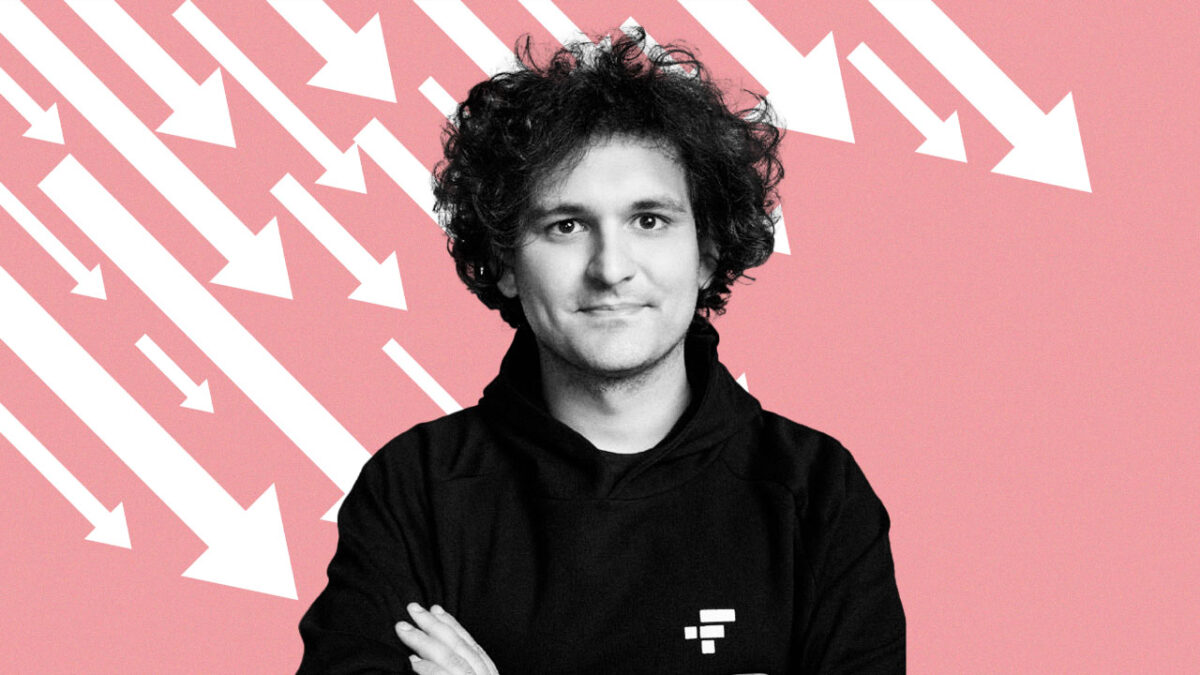
Sam Bankman-Fried, co-founder and CEO of FTX, has finally been sentenced to 25 years in prison for stealing a whopping $8 billion from his own platform’s clients. In total, he faces seven charges of conspiracy and fraud, stemming from the collapse of FTX.
The judge Lewis Kaplan has been the one who has issued the sentence, which has finally turned out to be shorter than the 40 to 50 years that the prosecutors were asking for. Before announcing the verdict, Judge Kaplan described Fried’s defense claim as “misleading“, with “logical flaws” and “speculative“.
Kaplan also considered that Bankman-Fried tried to manipulate the witnesses, in addition to falsely declaring when he learned about the disappearance of the 8 billion dollars. As we can read through Bloomberg, Kaplan points out that “a thief who takes his loot to Las Vegas and successfully bets the stolen money is not entitled to a sentence discount using his Las Vegas winnings.”
During the trial, his former collaborators testified against Bankman-Fried and claimed that they were ordered to use funds belonging to FTX clients to hide the losses of Alameda Research. The latter was a cryptocurrency trading company, also co-founded by Sam Bankman-Fried.
Bankman-Fried’s statements could not have been more incriminating. The defendant said he did not remember publicly speaking about the reliability of FTX. After this, the prosecution proceeded to reproduce them before him and the court. He also claimed that, although his employees told him that there was an $8 billion hole in the balance sheets, he did not care to find out where such amount had gone.
Bankman-Fried co-founded FTX in 2019 and quickly positioned it as one of the largest cryptocurrency exchanges in the world.
X-Men ’97 is surprising both fans and outsiders for being an excellent adaptation of the X-Men, but it’s going to face a huge challenge.
Telling a story has many challenges. Resuming a story almost thirty years later is a challenge with its own particularities. People change, the medium does too, and even the way of narrating and the aesthetics can be diametrically opposed, in terms of trends. That’s why we see so few occasions when old series are rescued. Because it is a particularly complex job, even if it may seem otherwise.
X-Men ’97 is a series premiered on March 20th that continues the story of the X-Men where X-Men: The Animated Series left off. With similar animation and designs, although with a more contemporary aesthetic and direction that sometimes refers to anime, it picks up from the events of the end of the fifth season of the original series, which ended somewhat abruptly. And surprisingly, it has turned out really well, receiving great reviews.
A significant part of the appeal of X-Men ’97 is that it does not require prior knowledge of the X-Men. Even if you don’t understand why Professor Xavier doesn’t appear.If you haven’t read a single comic in your life and haven’t watched X-Men: The Animated Series, besides recommending that you do both, you won’t miss anything by watching the three episodes released so far of X-Men ’97. While it closely follows the events of the comics, with its own interpretation, and continues where the original series left off, it is designed so that it is not necessary to know anything in particular about its characters or its history.
However, it is undeniable that it is more enjoyable the more knowledge one has of them. Those who have seen X-Men: The Animated Series will be able to recognize the relationships of all the characters, and the conflicts they entail. Those who have read the comics will be able to enjoy their clever reinterpretations of some of the most beloved storylines by fans. Although, the key storyline they seem to be adapting is also one of the most dramatic in X-Men history.
Summarizing certain events that occur in episodes 2 and 3 of X-Men ’97, Storm receives a beam of energy that was intended for Magneto, which leaves her powerless. Deprived of her mutant abilities, she decides to leave the X-Men mansion, seeking her new place in the world. While traveling somewhere, she stops at a bar to rest, and a man introduces himself, claiming to recognize her as Forge.
If you are a fan of the X-Men, you haven’t seen the series yet, and you have read this far, you may have stifled a scream of excitement. We don’t blame you. It’s a normal reaction. If you don’t know why we say this, the explanation is simple: this is a reinterpretation of the premise of two of the most celebrated comics in X-Men history, Lifedeath and Lifedeath: From the Heart of Darkness.
To begin with, who is Forge? He is a mutant who first appeared in Uncanny X-Men in 1984 and has four peculiarities: his power is to create any kind of invention, he is a war veteran, he has a leg amputated, and he belongs to the Cheyenne nation. When we meet the character, he works for the US government and, due to an unresolved trauma where his entire platoon died and he lost his leg, he is isolated from the outside world. At least, until he meets Storm.
In issue #186 of Uncanny X-Men, written by Chris Claremont and drawn by Barry Windsor-Smith, titled Lifedeath, Forge and Storm meet. Storm has already lost her powers, but in the comic she does it by protecting another character, Rogue. Forge takes Storm to his apartment and they both share a special connection, partly due to their respective traumas and the feeling of something missing from their own existence — Forge his leg, Storm her powers.
Despite the mutual attraction and shared feelings, things didn’t turn out as expected. Especially when Forja, after learning about what happened with Tormenta, is unable to keep a secret from her. He is the person who created the weapon that stripped her of her powers. This causes her to leave the apartment angrily, returning to wander the world.
We would have to wait until Uncanny X-Men #198, exactly one year later and also written by Chris Claremont and drawn by Barry Windsor-Smith, to read the conclusion of this story in Lifedeath: From the Heart of Darkness. A story where Storm, alone and delirious, finds herself in the depths of Africa, where she finally accepts the loss of her powers, reconnects with her own roots, and thus, returns to the X-Men, even without regaining her ability to control the weather.
Of course, both comics have many more details. And it is expected that X-Men ’97 will cover or change them in one way or another. Because, in addition, we know that is going to happen: the fourth episode, on April 3rd, is called Motendo/Lifedeath – Part 1, and the sixth episode, on April 17th, is called Lifedeath – Part 2. So we will soon know how they adapt this story.
Why is this story so important within the X-Men? To begin with, because of its intimacy. It demonstrates how what makes a person a mutant is not their powers, but being a mutant; even after losing her powers, and even if it takes her a long time to accept it, Storm remains a mutant. And while she will eventually regain her powers, it will still take many years for her to do so. The other reason is that it is exquisitely illustrated by Windsor-Smith, which makes Claremont’s script even more spectacular.
How likely is it that in X-Men ’97 they will know how to handle this story with the delicacy and weight it deserves, by delving into trauma, guilt, and identity, both with Storm and Forge —since being Cheyenne is important to the character and to the events of Lifedeath—, is something that remains to be seen. But if they want to make a great X-Men series, Lifedeath is the kind of story they should aspire to be able to shape, as all fans of the most famous mutants in comics know.
Google has just announced that it will add a translation feature to its Circle to Search tool as part of an update to several core services. In addition, the company has announced that it will launch the feature on all Tensor-powered Pixel devices, after being integrated into the Pixel 7, Pixel 7 Pro, Pixel 8, and Pixel 8 Pro.
Surround to Search is a tool from Google launched last January that allows you to quickly search for content on your phone screen. To use the feature, you must long press the home button or the navigation gestures bar and then draw a doodle or a circle around a topic to get more information about it.
But the next translation integration won’t even require drawing a circle. As reported by Engadget, you will only need to long press the home button or the navigation bar and look for the translation icon. Your phone will automatically detect the language of the content on the screen and convert it to English or the language you have specified.
In addition, Google is rolling out Rodea for Search on the Pixel 6, Pixel 6 Pro, Pixel 6a, and Pixel 7a. It is also coming to the Samsung Galaxy S23, Galaxy Z Fold5, Galaxy Z Flip5, and Galaxy Tab S9. The company says the visual search tool will be coming soon to the Pixel Fold and Pixel Tablet to complete Google’s hardware family.
Google has announced a series of updates that will allow users to better plan their summer vacations, providing them with much more information about purchasing intent in the travel sector.
Firstly, Google is rolling out an update to its Search Generative Experience (SGE) that will allow users to create itineraries and travel ideas using artificial intelligence, as announced by the company on Wednesday.
The new feature is currently only available in English in the United States for users enrolled in Search Labs, the program that allows users to test experimental versions of Google search and provide feedback. This feature would be based on ideas from websites all over the web, along with opinions, photos, and other data that users have submitted to Google about places around the world.
When users request something like “plan a three-day trip to Philadelphia that is related to history”, they will receive a sample itinerary that includes attractions and restaurants, as well as a summary of flight and hotel options, divided by hours of the day.
Google has also announced that it is making it easier to discover recommendation lists on Google Maps in certain cities in the United States and Canada. If you search for a city on Google Maps, you will now see lists of recommendations for places to go created by editors like The Infatuation, as well as other users. You will also see lists of the best restaurants, the ones that are trendy, and the ones that hide some hidden gem in over 40 cities in the United States.
Finally, Google is adding new tools to help you customize the lists you create, so you can better organize your travel plans or share your favorite places with your friends and family. You can choose the order in which places appear in a list to organize them by top favorites or chronologically like an itinerary. Additionally, you can link to content from your social channels.