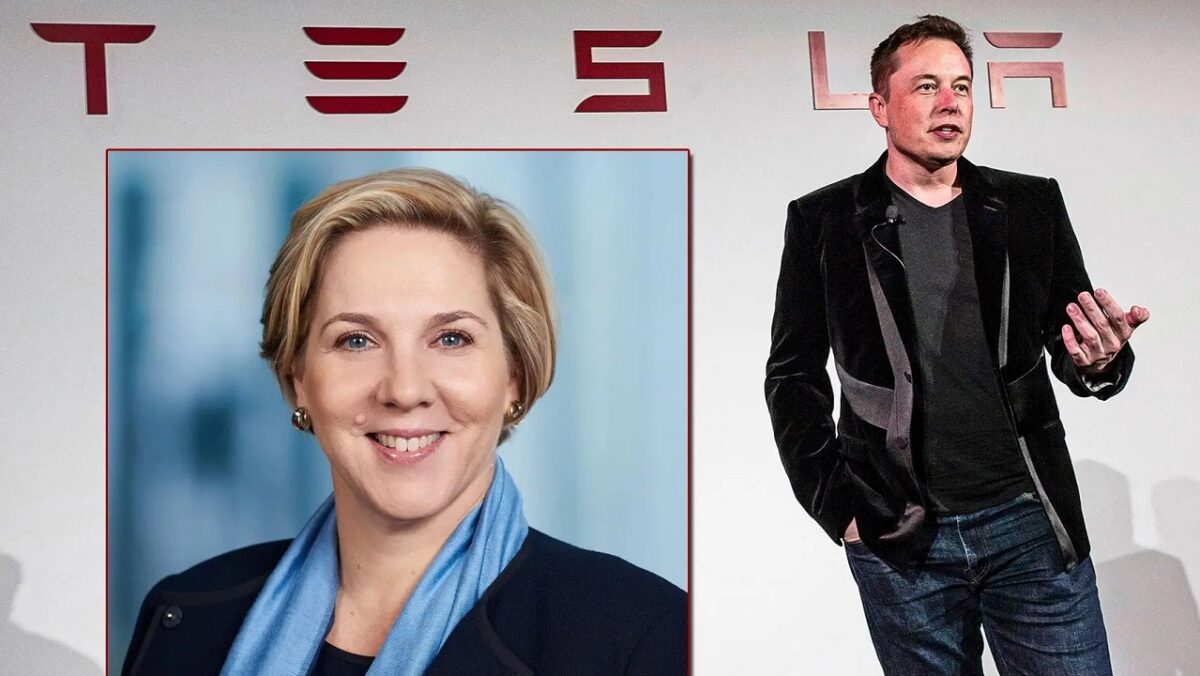
Robyn Denholm, chairwoman of Tesla, has amassed over $530 million in compensation since taking on her role, predominantly through stock options.
This staggering figure positions her as the highest-paid board chair far above her peers. For comparison, the next best-paid nonexecutive chair, Stephen Hemsley of UnitedHealth Group, earned more than $100 million since November 2018, highlighting the extraordinary scale of Denholm’s financial rewards.
However, her tenure has raised questions about effectiveness and governance. Elon Musk, who handpicked Denholm as his successor to the chair position, has referred to the title as “honorific,” suggesting it carries little weight in the actual management of Tesla.
Tesla’s Robyn Denholm Becomes Highest-Paid Chair
Musk plans to eliminate the role entirely within three years, asserting that it is not essential for the company’s operation. Critics argue this characterization reflects a broader issue within Tesla; many assert that the board has failed to challenge Musk’s controversial decisions, which have included significant layoffs and threats affecting shareholder interests.
Denholm’s significant compensation has sparked discontent, especially as it has come during a period marked by protests at Tesla stores and boycotts fueled by Musk’s political engagements, which have alienated portions of Tesla’s consumer base.
An important shareholder has raised alarms about Tesla’s governance, likening the company to “a family business masquerading as a public company”, referencing a perceived lack of accountability and oversight. Recent reports suggested the board considered replacing Musk to compel him to dedicate more time to the firm, but this idea was quickly denied.
In light of these circumstances, the reality emerges: Denholm appears to have received half a billion dollars for fulfilling a role that, according to Musk, might not be necessary, raising critical scrutiny about the board’s purpose and effectiveness in steering Tesla through turbulent waters.