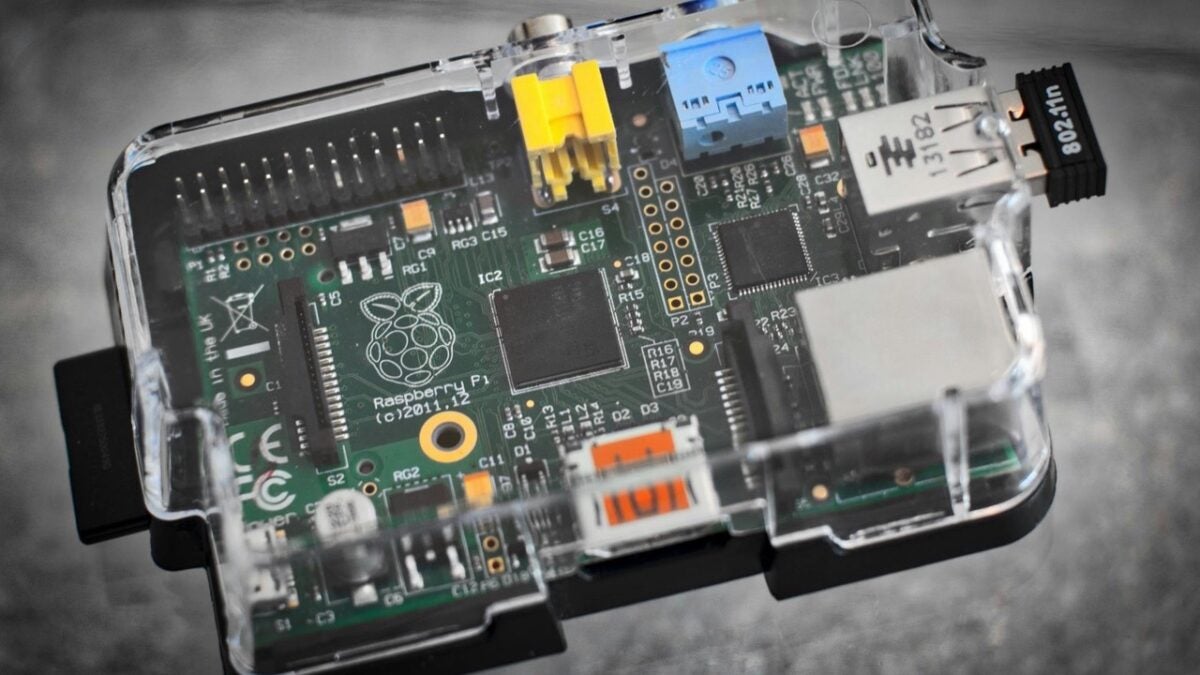
While the Raspberry Pi remains a benchmark in compact computing, it’s far from the only option. For users needing more power, specialized features, or better availability, several alternatives offer compelling value. Whether for media centers, automation, or development, these single-board computers expand what’s possible beyond the Pi.
Orange Pi 5: Performance powerhouse
One of the most powerful Raspberry Pi alternatives is the Orange Pi 5, which supports up to 32 GB of RAM and features the ARM Rockchip RK3588 processor. It includes dual HDMI outputs, USB-C, Bluetooth, and a slot for M.2 2242 storage, making it ideal for demanding applications. The Orange Pi 5 Starter Kit even includes a case, heatsink, and power supply, making setup seamless.
Asus Tinker Board R2.0: Compact and reliable
Asus offers its own take on the Raspberry Pi with the Tinker Board R2.0, powered by the RK3288 processor and 2 GB of RAM. With a standard 40-pin GPIO header, HDMI output, and four USB ports, it’s a solid choice for makers needing basic computing in a compact form factor. It also includes a built-in heatsink and Wi-Fi support.
Banana Pi: Versatile and affordable
Banana Pi models like the BPI-M5 provide 4 GB RAM and 16 GB eMMC storage, with strong connectivity including USB 3.0, HDMI, and a 40-pin GPIO. For smaller budgets, the Banana Pi M2 delivers essential features like Wi-Fi and SATA support with 1 GB RAM, making it a great entry-level alternative.
Libre Computer Board: Seamless Pi 3 replacement
The Libre Computer Le Potato offers full compatibility with Raspberry Pi 3 accessories, 2 GB of RAM, and broad Linux support. Its low price and familiar form factor make it ideal for simple DIY projects.