Tesla’s entry into the Indian automotive market appears to be increasingly uncertain following the departure of Prashanth Menon, the company’s head of operations in India.
Menon’s exit comes at a critical juncture, with Tesla rumored to be closer than ever to launching its electric vehicles in the country after years of setbacks.
Tesla's initial focus will be on major tech hubs like Bangalore, Delhi and Mumbai, starting with imported Model 3 and Model Y cars priced from ₹21 lakh (~$25,000).
Tesla’s India Ambitions in Jeopardy After Key Departure
The Indian government had previously expressed willingness to reduce import tariffs on electric vehicles, contingent upon Tesla agreeing to significant investments towards building a local manufacturing facility.
This compromise, which was aimed at attracting Tesla and other electric vehicle manufacturers, seemed to set the stage for a possible breakthrough. Tesla began making moves this past year, including hiring service and sales staff and scouting locations in major urban centers like New Delhi and Mumbai.
Despite these preparations, Tesla has yet to fully capitalize on the opportunity presented by the revised import duty agreement, which was announced over a year ago. The company has faced skepticism due to a history of unfulfilled promises to enter the market.
India is nearing an agreement with Tesla worth $2 billion investment for #EV imports and new plant in Gujarat. This will be a significant milestone for Tesla in India. #Velsig#geopoliticspic.twitter.com/GKYsh3usIL
Reports indicate that Tesla’s Chinese team may now take the reins of Indian operations, raising questions about continuity and commitment in leadership as the market potential hangs in the balance.
Moreover, the escalating geopolitical tensions with Pakistan may further complicate the timing of Tesla’s entry into India, suggesting that the road ahead could be fraught with additional challenges. As the situation develops, many industry observers remain cautious, adopting a “I’ll believe it when I see it” stance regarding Tesla’s long-anticipated foray into the Indian market.
Tesla’s deliveries in China are experiencing a notable decline, driven by a combination of heightened competition and shifting consumer preferences favoring domestic brands.
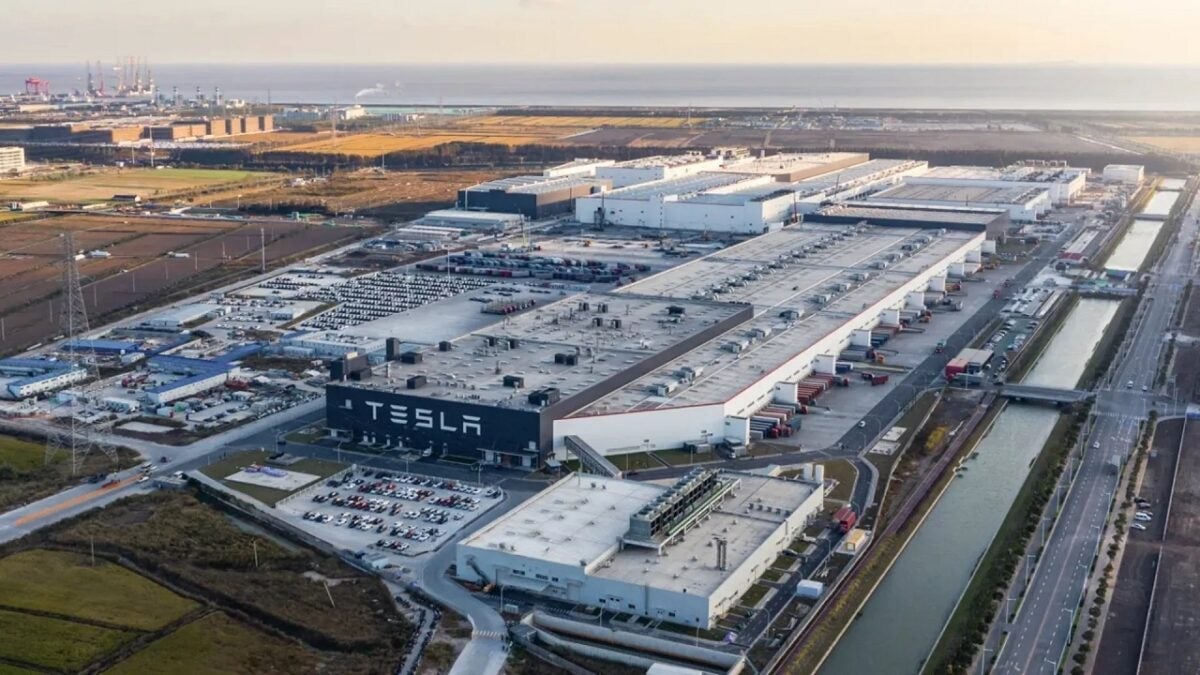
In April, the electric vehicle manufacturer produced 58,459 Model 3 and Model Y vehicles at its Gigafactory in Shanghai, reflecting a 6% decrease compared to the same month last year.
This downward trend is compounded by a perception issue among Chinese consumers, influenced by the ongoing trade tensions between the United States and China.
Tesla’s China-made shipments declined for a seventh consecutive month, exacerbating a slump in the electric vehicle maker’s global sales https://t.co/AmwG0cXlNr
Chinese Consumers Flock to Local EV Brands as Tesla Struggles
The automotive landscape in China has become increasingly competitive, with numerous local manufacturers such as Xiaomi aggressively targeting the segments where Tesla previously dominated.
Chinese consumers are showing a growing preference for locally produced EVs, further undermining Tesla’s market share in the world’s largest electric vehicle market. Reports indicate that Tesla’s insurance registration numbers suggest a drop in Chinese deliveries for this quarter, marking a troubling trend for the American automaker.
In a bid to counteract the anti-American sentiment linked to the trade war initiated under former President Trump, Tesla is emphasizing its commitment to local production, prominently advertising that its vehicles are ‘made in China’.
Additionally, the company is implementing aggressive marketing strategies, including offering discounts and promotional interest rates as low as 0% to incentivize purchases amidst declining demand.
While Tesla’s approach may temporarily mask its decreasing presence in the market, analysts warn that the company is effectively sacrificing profitability to maintain its foothold in China. This strategy raises concerns about the long-term sustainability of Tesla’s operations there, especially as competition continues to intensify. Rumors suggest that the upcoming launch of a more affordable Model Y could offer some relief, but entering the budget segment may only exacerbate the challenges posed by an increasingly crowded market.
Google is expanding the capabilities of Gemini by integrating it with Google Photos, giving the AI direct access to your backed-up images and videos. This new extension is being rolled out gradually, and although it’s only available in the U.S. for now, it shows a clear step toward making AI tools more useful and personalized.
Smart image search and deep context awareness
With this extension enabled, Gemini can find specific images based on details like faces, dates, and even your relationships. It also uses the context of your current conversation to help pinpoint what you’re looking for, whether that’s a vacation snapshot or a birthday party photo.
Extracting information from your memories
Beyond finding photos, Gemini can analyze your entire library to detect patterns or themes, such as the meals you’ve had during past holidays or how you’ve decorated for previous events. It turns a static image collection into a searchable, dynamic memory archive.
Easy interaction and future integration
Once results are shown, you can tap to open full-size images in Google Photos or drag them into other apps directly from the Gemini overlay. It’s a simple yet powerful way to make your media library more interactive and connected across your digital workspace.
A growing part of Google’s AI ecosystem
This feature is just one of many updates coming to Gemini. With tools like Gemini Live Video and upcoming AI support for Google Calendar, Google is positioning Gemini as the central hub for managing everyday tasks with intelligence and ease.
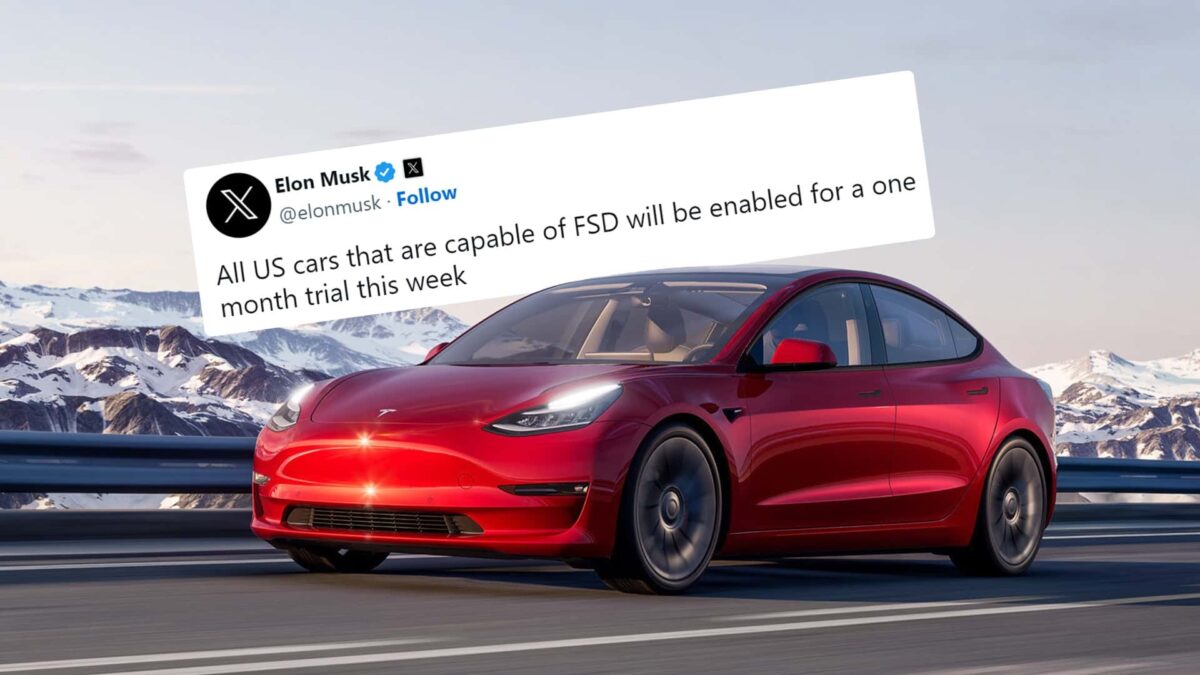
Tesla has abruptly canceled its free trial of the “Full Self-Driving” (FSD) package in China, following a significant policy shift that imposes stricter regulations on software updates for advanced driver assistance systems (ADAS).
The automaker had launched the FSD package for vehicles equipped with its latest “Hardware 4.0” (HW4) just last month, hoping to incentivize owners to adopt the feature through an over-the-air software update.
Tesla is actively working on obtaining approval for both Hardware 3.0 (HW3) and HW4
Grace Tao, Tesla’s Vice-President for the Chinese market, announced the decision on Weibo, thanking car owners for their support and feedback. She referenced the new “Notice on Further Strengthening the Management of Access, Recall and Online Software Upgrade of Intelligent Connected Vehicle Products,” outlining the need for manufacturers to submit detailed technical information before implementing software updates.
This development highlights the increasing scrutiny over automotive software updates and their relation to safety standards.
The updated regulations also reinforce the processes surrounding recalls linked to software updates, making it necessary for manufacturers to report any accidents involving ADAS features.
Despite the challenges posed by these new rules, Tao indicated that Tesla is actively working on obtaining approval for both Hardware 3.0 (HW3) and HW4 for its smart driving software, with plans to push updates to customers as soon as possible.
Elon Musk has recently acknowledged that HW3 vehicles cannot fulfill the promised capabilities of unsupervised self-driving and will require significant hardware upgrades to reach that level.
As Tesla navigates these regulatory hurdles, it emphasizes its commitment to safety and compliance in a market that is increasingly demanding transparency and accountability from automakers.
A recent survey conducted by T-Online, which included over 100,000 respondents, reveals a significant shift in consumer sentiment towards Tesla in Germany.
This sentiment comes at a time when Tesla’s sales figures have already been alarming, with a 41% drop in 2024 compared to 2023, and an even steeper decline of 70% in the first two months of 2025 compared to the same period the previous year.
Tesla may soon find itself needing to recalibrate its approach in Germany
Experts attribute this downward trend to several factors, including intensifying competition in the electric vehicle (EV) sector and a growing discontent among Germans directed at Tesla CEO Elon Musk.
Concerns have been raised regarding Musk’s controversial political involvements, especially his perceived support for the far-right Alternative for Germany (AfD) party and his interference in local elections. Such actions have tarnished Musk’s reputation in Germany, further impacting Tesla’s sales prospects.
With EV sales overall rising by 27% in Germany during 2024, Tesla’s significant market shrinkage highlights not only the dissatisfaction with Musk’s political maneuvers but also a loss of consumer trust in the brand.
The upcoming release of a new Model Y is hoped to rejuvenate interest among shareholders; however, survey results show that only 3% of participants would still be open to buying a Tesla, casting doubt on any potential recovery in sales.
The escalating number of alternative EV options in Germany suggests that consumers are increasingly distancing themselves from Tesla, a trend that could spell challenges for the automaker moving forward. Tesla may soon find itself needing to recalibrate its approach in Germany if it hopes to reclaim traction in this competitive market.
It’s everyone’s responsibility—whether we work on the internet or simply use it in some way—to protect ourselves from malicious actors. Call them hackers or cybercriminals; they all seek the same thing: to take advantage of us by any means possible, and their tactics are increasingly sophisticated.
To protect ourselves, we must be cautious in our daily online activities when reading emails, opening documents received via WhatsApp, or visiting unfamiliar websites. Even clicking a link to what appears to be a favorite store can lead us into a trap. In any of these scenarios, a cybercriminal may be waiting for us to make a mistake.
And that mistake can be costly: it could result in losing access to our bank accounts, having our computer taken hostage along with our private data, or losing control of our professional accounts. In short, they aim to cause harm one way or another.
Ultimately, their goal is usually financial gain. They take something of ours and demand a ransom for its return. While not every cybercrime is about money, around 90% of cybercriminal activity involves financial extortion or deceit. This is why we need to stay vigilant, especially when on vacation.
Understanding Seasonal Malware Threats: Why Cybercriminals Strike at Specific Times
Many people are unaware that cyberattacks, particularly malware attacks, tend to spike during holiday periods like summer, Christmas, and other major national holidays.
In fact, the Federal Bureau of Investigation (FBI) and the Cybersecurity and Infrastructure Security Agency (CISA) report an increase in high-impact ransomware attacks on holidays and weekends, times when offices are typically closed, and people are often away from home.
For this reason, the FBI and CISA encourage everyone, including individuals, to evaluate their cybersecurity and adopt best practices and mitigations to address cyber risks. For companies, this means having a dedicated cybersecurity team. It involves following a few best practices and using reliable antivirus software for regular citizens.
How Avast Free Antivirus Protects Us Against Seasonal Malware Threats
Here’s an overview of how Avast Free Antivirus helps protect all users who download it. It’s one of the best basic antivirus options available today, and it’s free.
Continuous Protection
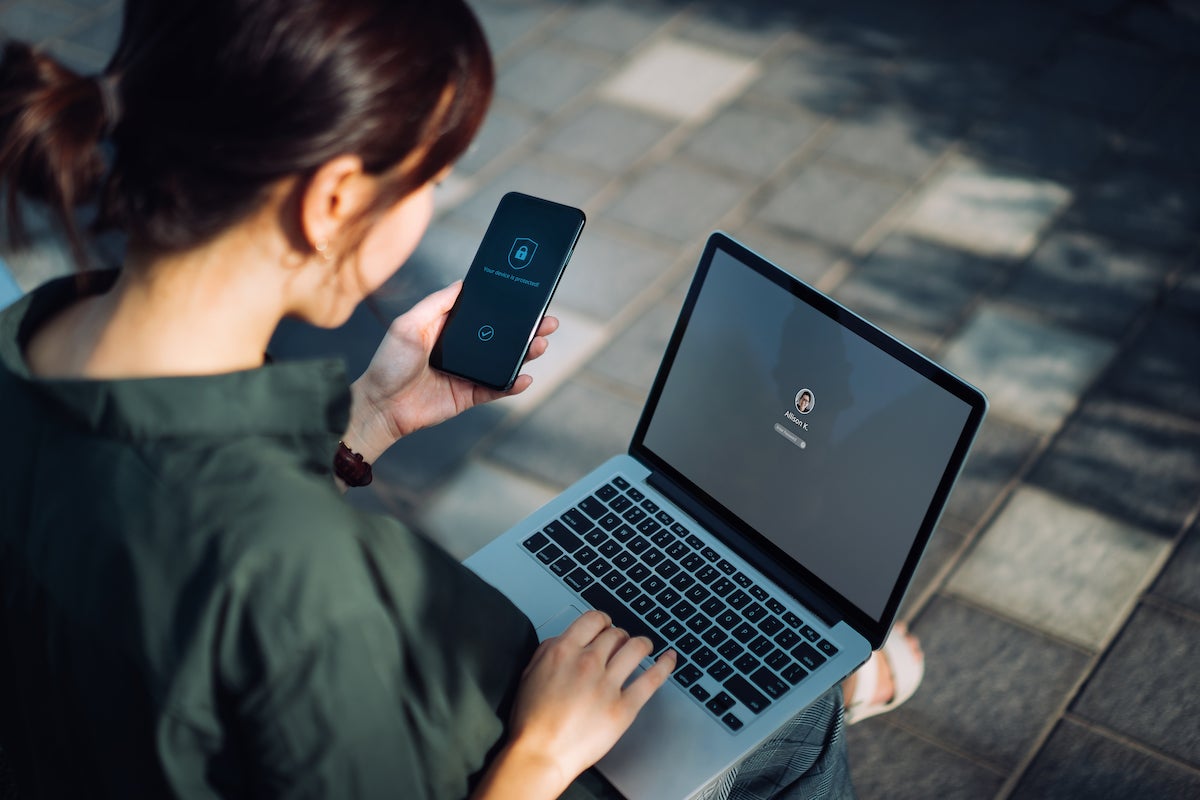
Avast’s real-time scanning now includes advanced features like AI-powered Web Shield, which enhances scam prevention and offers robust protection against online scams. It continues to monitor your system for viruses, malware, ransomware, and other online threats, scanning files, applications, and downloads as they are accessed to block harmful content before it can cause any damage.
Example: Imagine you download a file from a website. Avast’s real-time protection immediately scans the file and places it in quarantine if it contains malware, preventing it from infecting your computer without any further action required on your part.
Behavior Shield
Proactive Threat Monitoring: Avast’s Behavior Shield is designed to detect suspicious program behavior that may indicate an unknown or zero-day attack. It monitors your applications and stops any unusual activity before it can damage your system.
Zero-Day Attack Prevention: A zero-day attack occurs when hackers exploit vulnerabilities that developers haven’t yet discovered or patched. Behavior Shield helps prevent these attacks by flagging and blocking suspicious actions that might indicate an attempt to exploit a new vulnerability.
Example: If a trusted program suddenly begins encrypting files without permission (a common sign of ransomware), Behavior Shield would detect this unusual activity and stop the process, protecting your data from being held hostage.
WiFi Security Scan
Network Vulnerability Detection: Avast’s WiFi Inspector scans your home or public WiFi networks for potential security weaknesses. It checks for unsecured networks, weak passwords, and devices vulnerable to attacks.
Importance of WiFi Security: Securing your WiFi network is critical since an unsecured network can be an easy target for hackers. They could exploit vulnerabilities to intercept your data, access connected devices, or even take control of your network.
Example: Are you using public WiFi in a café while on vacation? WiFi Inspector will scan the network and alert you if it’s not secure.
All-in-One Analysis: Avast’s Smart Scan combines several types of scans. It checks for malware, outdated software, network issues, and more, giving you a comprehensive view of your system’s health.
A complete scan saves time by checking for multiple security concerns all at once, making it easier to identify and address any issues quickly. These are just a few of the key tools Avast Free Antivirus offers. If you’re in the market for a powerful and free antivirus, Avast Free Antivirus is one of the top options available, and downloading it is just a click away.
Puede que la compra de iWork.ai por parte de Apple signifique poco, pero es una pista más, una pieza más de un puzzle.
Apple ha añadido un intrigante nuevo miembro a su extensa colección de dominios web: iWork.ai (vía BuyAIdomains.com). Aunque la compañía de Cupertino es propietaria de cientos de dominios, la adquisición de este en particular nos ha llevado a varias especulaciones sobre sus planes futuros, especialmente en lo que respecta a la integración de la inteligencia artificial en su suite de aplicaciones de ofimática.
Una pista más de lo que parece que todos ya sabemos
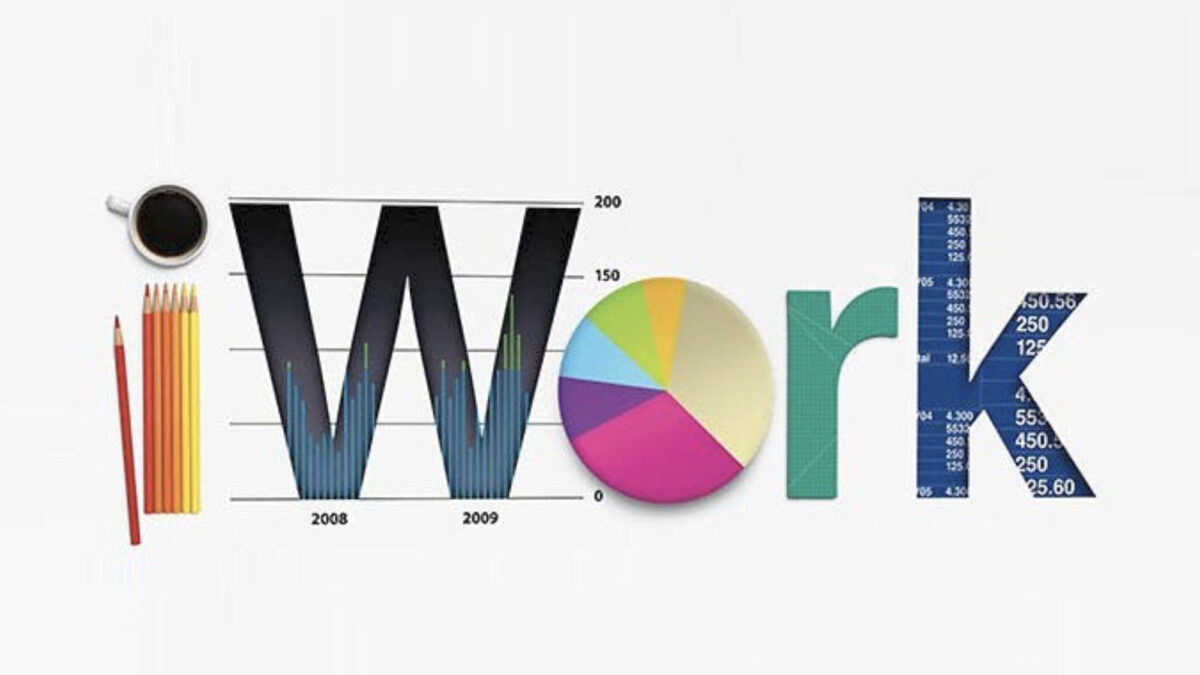
Apple ha mantenido el uso del término “iWork” para referirse colectivamente a las apps Pages, Numbers y Keynote. Un término que es un vestigio de una era pasada, cuando Apple vendía estas aplicaciones en un paquete conjunto —y en formato físico—, remontándose a la última versión que se distribuyó así: iWork’09. Desde entonces, la estrategia de la compañía ha evolucionado, pero la reciente adquisición del dominio iWork.ai sugiere un posible renacimiento o reenfoque hacia la inteligencia artificial.
Cierto es que es importante tomar con cuidado la información que nos da un dominio, pues para una compañía de la talla de Apple, la mejor práctica es comprar todos los que puedan estar relacionados con sus productos, los vaya a usar o no. Si bien es poco probable que este dominio entre en activo, sí nos habla de que Apple está pensando en iWork y en la inteligencia artificial como términos relacionados.
Los rumores ya nos hablan de la integración de lo que internamente se conoce como AppleGPT en la suite de ofimática de Apple así como en el resto de aplicaciones de la compañía. Es pronto para sacar conclusiones, pero lo cierto es que son ya muchos los rumores, y de fuentes de gran reputación, las que apuntan a la llegada de la inteligencia artificial a casi todo el sistema con iOS 18.
Entre tanto, puede que la compra de iWork.ai por parte de Apple signifique poco, pero es una pista más, una pieza más de un puzzle que, empezando este próximo junio en la WWDC, tendremos que tener mucho más claro.
Ahora mismo, si buscas “Taylor Swift” o “Taylor Swift AI” en Twitter, ahora X, es posible que aparezca el mensaje “Algo ha ido mal”. Según The Wall Street Journal, Joe Benarroch, director de negocios de X, ha reconocido que se trata de una medida “temporal” destinada a “dar prioridad a la seguridad”.
X publicó un comunicado casi un día después de que aparecieran las imágenes en el que decía que estaban “eliminando activamente todas las imágenes identificadas” y tomando medidas contra las cuentas que las publicaban. El sitio prohíbe explícitamente los desnudos no consentidos y los medios sintéticos y manipulados.
Posting Non-Consensual Nudity (NCN) images is strictly prohibited on X and we have a zero-tolerance policy towards such content. Our teams are actively removing all identified images and taking appropriate actions against the accounts responsible for posting them. We're closely…
Una práctica que tiene que tener consecuencias legales
Meta también parece estar abordando la cuestión, ya que tanto Threads como Instagram sugieren “Taylor Swift AI” si empiezas a escribir “Taylor” en sus cuadros de búsqueda, pero ninguna de las dos plataformas parece mostrar resultados.
En su lugar, a partir de este escrito, puede ver un mensaje diciendo que el término “a veces se asocia con actividades de organizaciones e individuos peligrosos”.
Los informes han dicho que Swift está considerando acciones legales contra los sitios que alojan las imágenes, que los usuarios dijeron que preferían que Microsoft Designer hiciera.
El CEO de Microsoft, Satya Nadella, calificó los deepfakes de “alarmantes y terribles” en una entrevista con NBC Nightly News el viernes, y dijo que cree que las compañías de IA necesitan “moverse rápido” para obtener mejores guardarraíles en su lugar.
La secretaria de prensa de la Casa Blanca, Karine Jean-Pierre, también intervino el viernes, pidiendo al Congreso que elabore una legislación para proteger a la gente de la pornografía deepfake.
Con nuevos iPad Air de gran tamaño, mejores pantallas en los iPad Pro y un MacBook Air todavía más capaz, el panorama en el sector más portátil de Apple pinta realmente bien.
Esperamos que Apple lance varios nuevos iPad y también una actualización para el MacBook Air en pocos meses. Según publica Mark Gurman, marzo —concretamente finales— podría ser el mes en que la compañía decida hacer los lanzamientos. Algo que, de hecho, encaja con el calendario habitual de un evento en primavera y que nos puede traer un nuevo iPad Air, un impresionante nuevo iPad Pro y seguramente dos nuevos MacBook Air.
La línea iPad Air, conocida por su equilibrio entre rendimiento y portabilidad, está lista para recibir una actualización más que significativa. Según Gurman, podemos esperar que Apple presente un nuevo modelo con una pantalla de 12.9 pulgadas, además de actualizar el modelo actual de 10.9 pulgadas.
Entre las características rumoreadas para los nuevos modelos de iPad Air se incluyen el chip M2 de Apple, que promete un rendimiento más rápido, un rediseño en el conjunto de cámaras traseras, soporte para Wi-Fi 6E y Bluetooth 5.3. Aunque no se anticipan grandes cambios externos, estas mejoras por sí solas representarán un salto significativo respecto al actual iPad Air de quinta generación con chip M1, lanzado en marzo de 2022.
iPad Pro: grandes cambios en la pantalla y mejores prestaciones
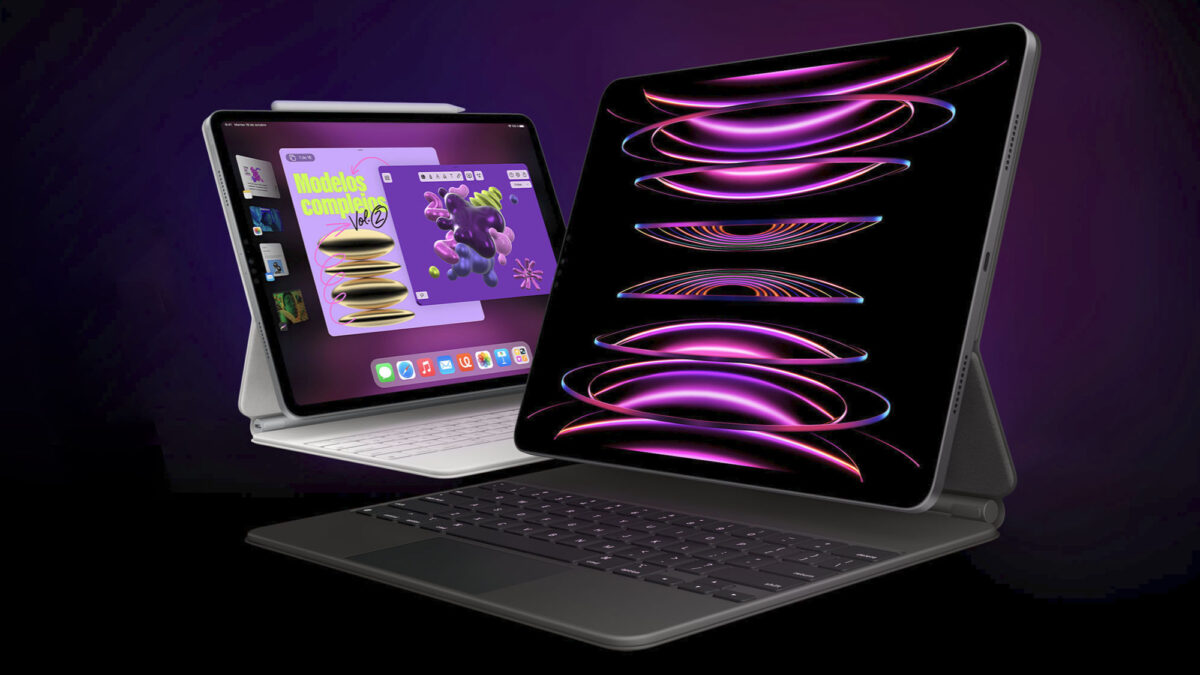
Los modelos de iPad Pro de 11 y 13 pulgadas están también en el centro de los rumores, ya que se espera que sean los primeros iPad equipados con pantallas OLED. Una tecnología que, como hemos visto ya en los iPhone, ofrece numerosas ventajas como un mayor brillo, colores más vivos, una relación de contraste superior, y un menor consumo de energía en comparación con los modelos actuales con paneles LCD.
Además, esperamos que incluyan el chip M3, carga inalámbrica mediante MagSafe, un Magic Keyboard rediseñado con un trackpad más grande y una carcasa superior de aluminio, y una reposición de cámara frontal para colocarse en el borde largo del iPad, quedando en la parte superior con el dispositivo en horizontal. Además de un precio algo más alto, principalmente a causa de la nueva pantalla, también esperamos cambios en el diseño de la cámara trasera, similares a los del próximo iPad Air.
MacBook Air: más potencia en el portátil más portátil de Apple
En cuanto a los MacBook Air, se espera que los modelos de 13 y 15 pulgadas se actualicen simultáneamente este marzo, marcando un cambio respecto a sus lanzamientos escalonados anteriores. La actualización principal en estos nuevos portátiles será el chip M3 de Apple.
Con el chip M3, los próximos modelos de MacBook Air mejorarán significativamente en el renderizado de gráficos, gracias a la aceleración por hardware de raytracing y al sombreado de malla. Una representación más precisa de la iluminación, reflejos y sombras que ya llegó a los MacBook Pro de 14 y 16 pulgadas y el iMac de 24 pulgadas el año pasado.
Estos lanzamientos representan un paso más en la evolución de dos importantes líneas de producto. Con nuevos iPad Air de gran tamaño, mejores pantallas en los iPad Pro y un MacBook Air todavía más capaz, el panorama en el sector más portátil de Apple pinta realmente bien.
Aunque Apple TV+ se haya convertido en el hogar de la ciencia ficción, Netflix no se queda atrás en lo que a propuestas del género se refiere. La plataforma de streaming tiene en su catálogo algunas de las mejores películas y series sci-fi de la historia, además de preparar ficciones tan magnánimas como El problema de los 3 cuerpos.
Pero, mientras hacemos boca para esta serie y ojeamos en el catálogo del servicio de VOD, podemos deleitarnos con una propuesta de ciencia ficción diferente. Se trata de Héroes fuera de orbita, una de las películas del género más populares y divertidas de la historia. Y es que, a pesar de ser una comedia satírica sobre Star Trek, su calidad no dista en absoluto de otros grandes filmes de directores reputados.
Descubre Héroes fuera de órbita
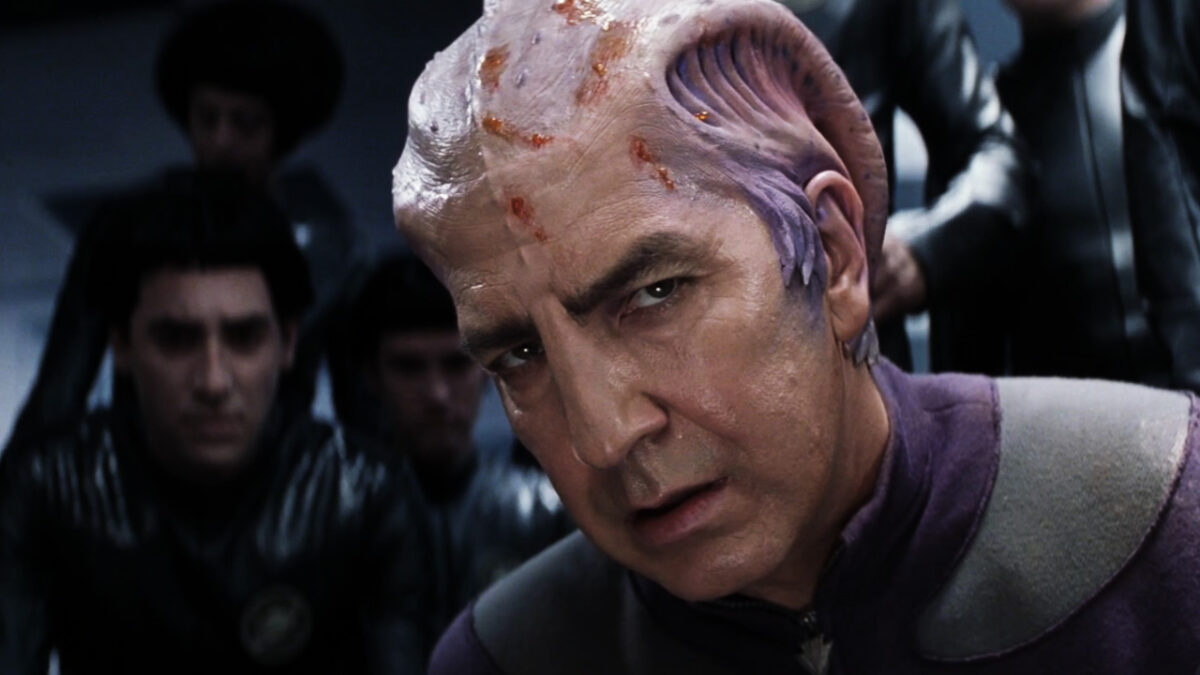
Héroes fuera de órbita (Galaxy Quest) se estrenó en 1999 bajo la dirección de Dean Parisot. La trama sigue a un grupo de actores que solían protagonizar una exitosa serie de televisión de ciencia ficción llamada Galaxy Quest. Sin embargo, ahora, años después de que la serie fuera cancelada, estos actores se ven atrapados en una situación surrealista cuando son confundidos por extraterrestres reales que creen que las transmisiones de la serie eran documentos históricos en lugar de ficción.
El reparto está encabezado por Tim Allen como Jason Nesmith, el egocéntrico capitán de la nave espacial en la serie, Sigourney Weaver como Gwen DeMarco, Alan Rickman como Alexander Dane, y Tony Shalhoub como Fred Kwan, entre otros. Cuando estos actores son transportados al espacio por los Thermians, una raza alienígena ingenua y devota, se ven obligados a enfrentarse a situaciones cómicas y peligrosas que solo habían enfrentado en la pantalla.
Héroes fuera de órbita destaca por su habilidad para combinar la parodia con un genuino amor por el género de la ciencia ficción. La película satiriza hábilmente los clichés y estereotipos de las series espaciales, al tiempo que rinde homenaje a la dedicación de los fanáticos y la conexión que la ficción puede tener con la realidad. La trama se desarrolla con un equilibrio perfecto entre la comedia y la aventura, con situaciones hilarantes que exploran la brecha entre la percepción de los actores sobre su propia fama y la realidad de sus vidas.
Lo que hace que Héroes fuera de órbita merezca la pena verla es su encanto universal. Aunque se burla de la cultura de la ciencia ficción y el fenómeno fan, lo hace con respeto y cariño. La película ofrece momentos de risas sinceras y sorprendentes dosis de emoción. Además, el elenco entrega interpretaciones memorables, con Tim Allen destacando por su cómica arrogancia y Alan Rickman por su destreza al interpretar a un actor desencantado con su carrera.