According to a report by PYMNTS Intelligence, the use of virtual wallets in stores has reached 31.2% among consumers as of September, nearly triple the rate recorded three years ago. This growth indicates a notable trend towards the digitization of payments at the point of sale, with Apple Pay leading the market in the United States.
The Apple Empire
Apple Pay has established itself as the dominant mobile wallet with an estimated sales volume of $450 billion, representing 6% of all in-store purchases. However, its competitors, such as PayPal, Cash App, and Google Pay, are growing at a faster pace. These platforms have intensified their strategies by implementing promotions, BNPL (buy now, pay later) financing, and integrated point-of-sale offers to attract more users and capture a larger volume of transactions.
Despite Apple Pay’s strong position, its advantage could be eroded due to antitrust lawsuits forcing the company to open its NFC technology to competitors. This could allow rivals, who are currently on the rise, to further increase their market share.
With approximately 60% of consumers using iPhones and 85% of merchants accepting Apple Pay, the company benefits from a robust ecosystem. However, both PayPal and Cash App and Google Pay are outlining innovative tactics to gain market share, which could make the competition even more intense.
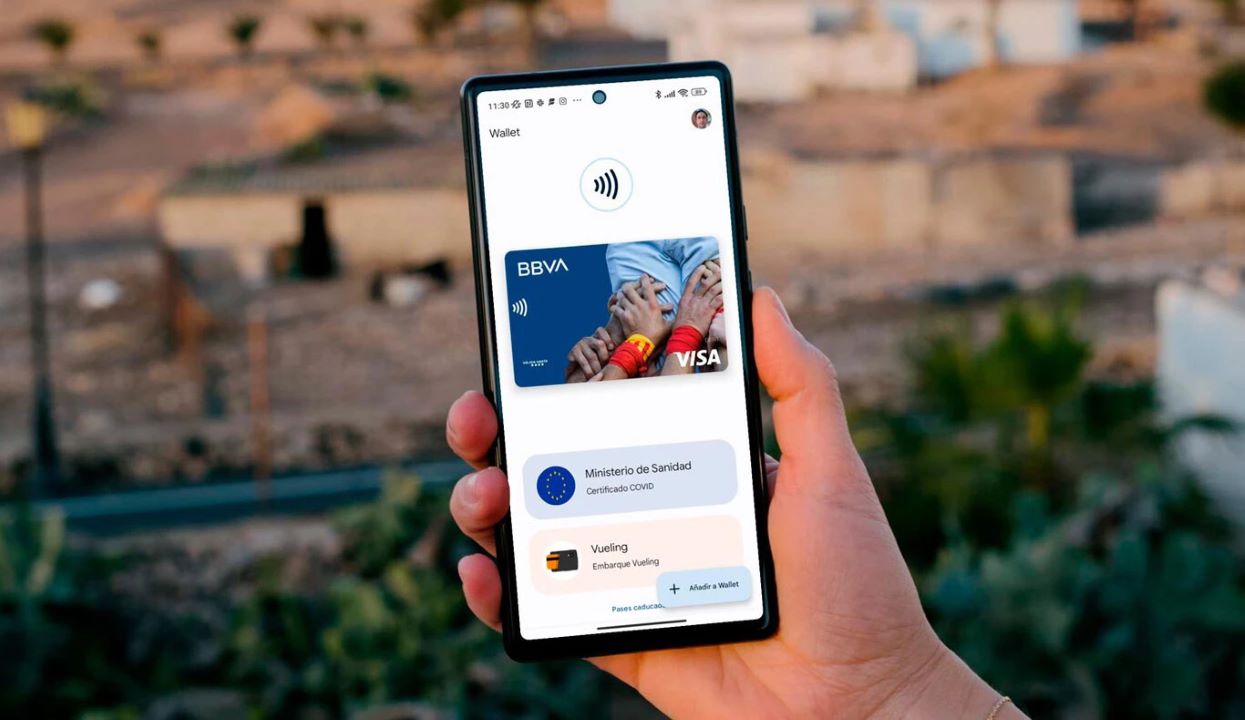
The features that allow users to manage their financial and non-financial lives, such as subscription management and order tracking, will be essential for creating more attractive wallets. As competition for consumer loyalty intensifies, these additional services could be the key to increasing usage volume and retaining customers.