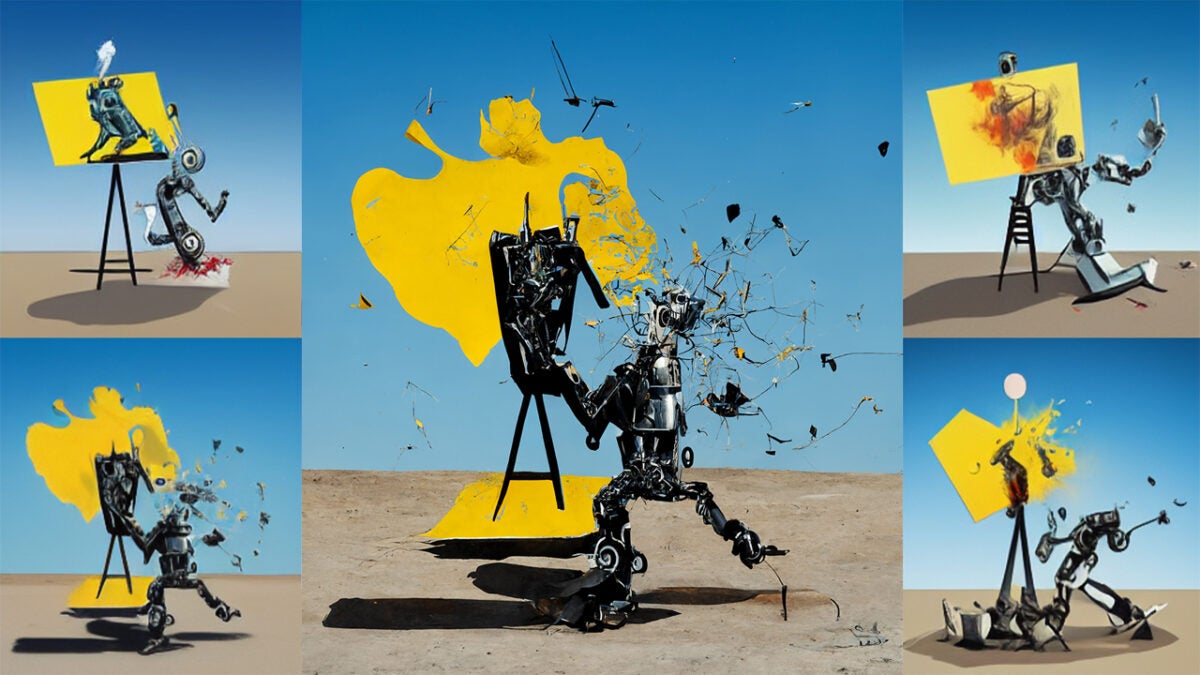
We were warned about AI. So many experts tried to warn us that we didn’t understand the implications and consequences of letting innovations like this roam free. But, we didn’t listen. We knew better even though we knew nothing of the deeper mechanisms at work under the blanket term ‘machine learning.’ Now, we have to negotiate a world where machines are producing art in a way that used to be unique to our species, such as Lensa.
The latest scandal within the AI industry is, of course, the business with Lensa. Lensa is a utility that basically functions as the neat and tidy front end of the Stable Diffusion innovation. This ‘app’ generates images of you based on those you upload onto the system – for a small fortune, of course. The app is currently estimated to be generating $1 million a day from in-app purchases and has gone viral as a way to stand out on social media.
However, there’s an issue with how the artworks that Lensa produces are created, if you can even call them art. These are simply images generated by a machine learning system based on prompts it has been given. This is not an intelligent creature expressing itself through artistic media. That is what art is. This is not that. The core issue is that the app not only generates images based on prompts but can do so by appropriating the styles of virtually any artist.
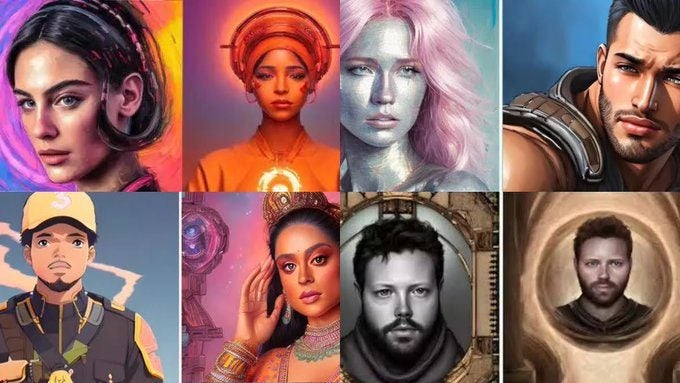
The issue goes deeper still with an assertion on Twitter by @LaurenIpsum that the original artists’ signatures are sometimes still visible in the AI-generated artwork. In a recent post, Lauren said: ‘I’m cropping these for privacy reasons/because I’m not trying to call out any one individual. These are all Lensa portraits where the mangled remains of an artist’s signature is still visible. That’s the remains of the signature of one of the multiple artists it stole from.’
Stole is an incredibly divisive word, but in this context, we’d say it fits. This isn’t merely using another artist’s style to evoke a particular emotion, feeling, or response from the viewer. This seems to be the direct theft of literal artworks, complete with signatures, in some cases.
The other issue that keeps coming up is the fact that these fake AI-generated artworks are showing up on exchanges like ArtStation, sites that true artists use to showcase their talent and try to make a name for themselves. With these sites being overrun by digital imitations created by ‘artificial intelligence’ and a few prompts fed into a machine learning system, actual professional artists who have dedicated years, thousands of dollars, and inordinate amounts of energy to their craft, are getting lost in the crowd.
Art is not something that any species just creates out of boredom. The way that humans create art, it’s more often than not a way to comment on situations of the past or present, inspire reactions in other people, or express our own emotions in a way that still leaves a little to each individual imagination. Art is inherently part of the human experience, and to recognize and legitimize these so-called artificial intelligences and their ability to ‘create’ art would be a grave mistake and a delegitimization of the human spirit.
