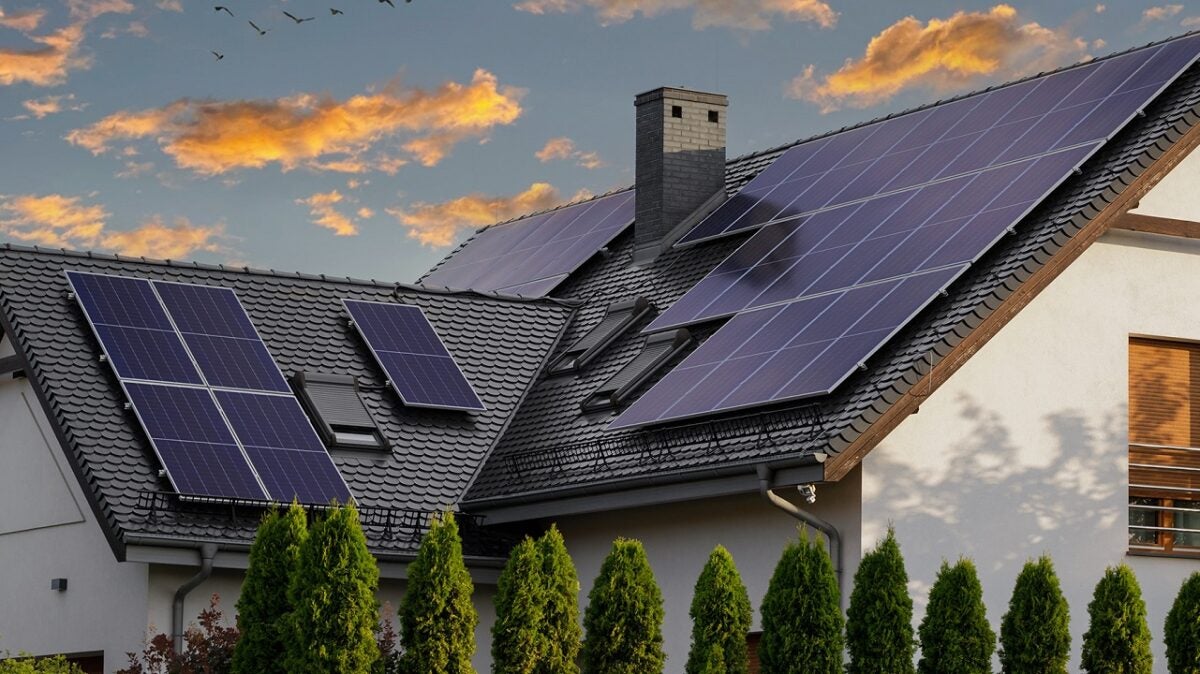
A groundbreaking study from the University of Sussex reveals that covering all suitable roofs worldwide with solar panels could generate 19,483 terawatt-hours (TWh) of electricity.
This figure represents two-thirds of global electricity consumption, which stood at 29,664 TWh in 2023.
If realized, this ambitious initiative would effectively eliminate the current reliance on fossil fuels for electricity generation, which amounted to 17,718 TWh in 2024, and contribute to a significant reduction in global temperatures, potentially lowering them by up to 0.13°C.
This strategic deployment could dramatically mitigate pollution derived from fossil fuels
According to satellite data analyzed in the study, the potential for solar energy varies regionally. Areas such as East Asia—home to a vast number of buildings due to its dense population—show significant promise, while Africa, with relatively low solar penetration and high solar capacity, represents an untapped market.
This strategic deployment could dramatically mitigate pollution derived from fossil fuels, thus promoting a cleaner and healthier environment.
However, the study cautions that as global temperatures rise, the efficiency of certain solar panel types could decline. To counteract this risk, researchers emphasize the importance of taking immediate action on climate change, alongside optimizing solar panel installations.
If panels are mounted at optimal tilt angles or fitted with tracking technologies, their efficiency could potentially increase by up to 39%, making rooftop solar a viable solution for covering entire global electricity needs.
While this vision challenges the current energy landscape, advocates remain optimistic. They argue that maximizing rooftop solar not only addresses current electricity requirements but also paves the way for a more sustainable future amid the anticipated rise in electricity consumption due to the electrification of transportation.
As the call for cleaner energy continues, this study shines a hopeful light on how our idle roofs can become pivotal in combating climate change while reducing energy costs for consumers.