Porsche is facing a significant crisis, evidenced by the drastic drop in its profit margin, which has fallen to 0.2%, while its sales decline in key markets such as Europe, China, and the United States.
Oliver Blume, who has served as CEO for the past decade, has announced his departure, acknowledging mistakes in the company’s electrification strategy, particularly in the transition of the Porsche Macan to an all-electric vehicle.
The electrification of the Macan has been problematic, facing multiple delays due to complications in developing an adaptable platform, which has negatively impacted its launch.
A very dark future for the European luxury market
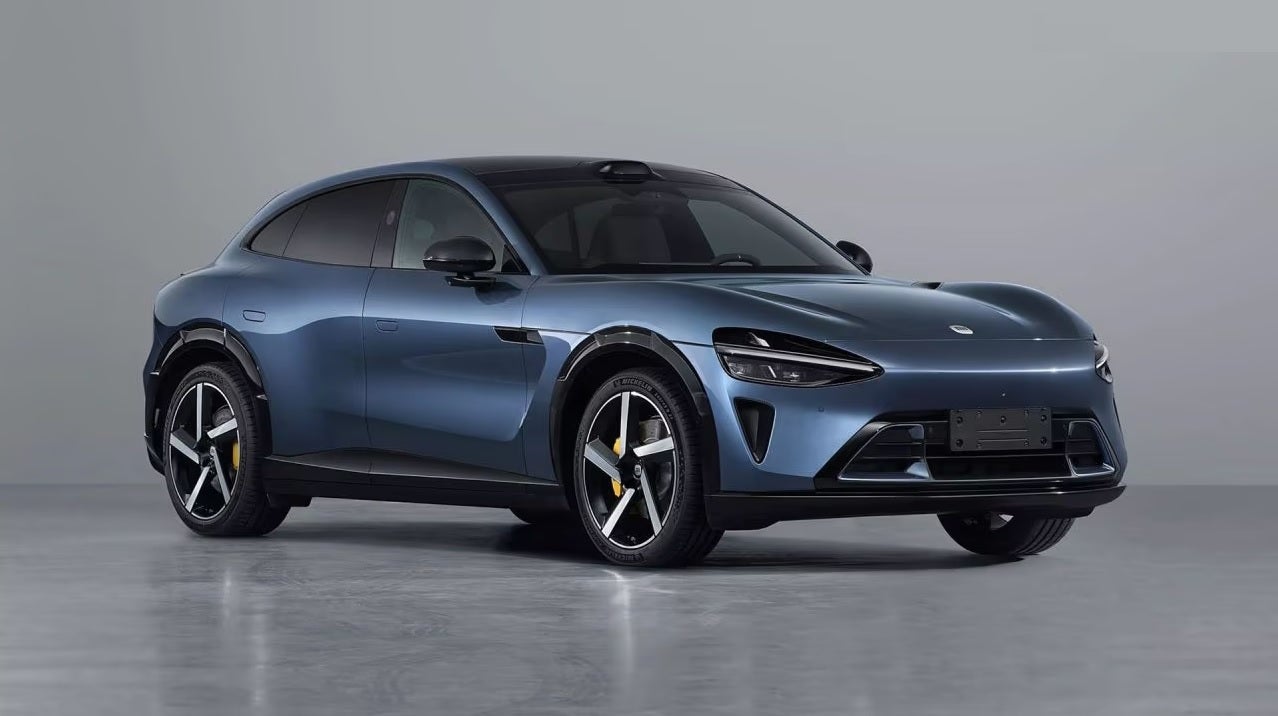
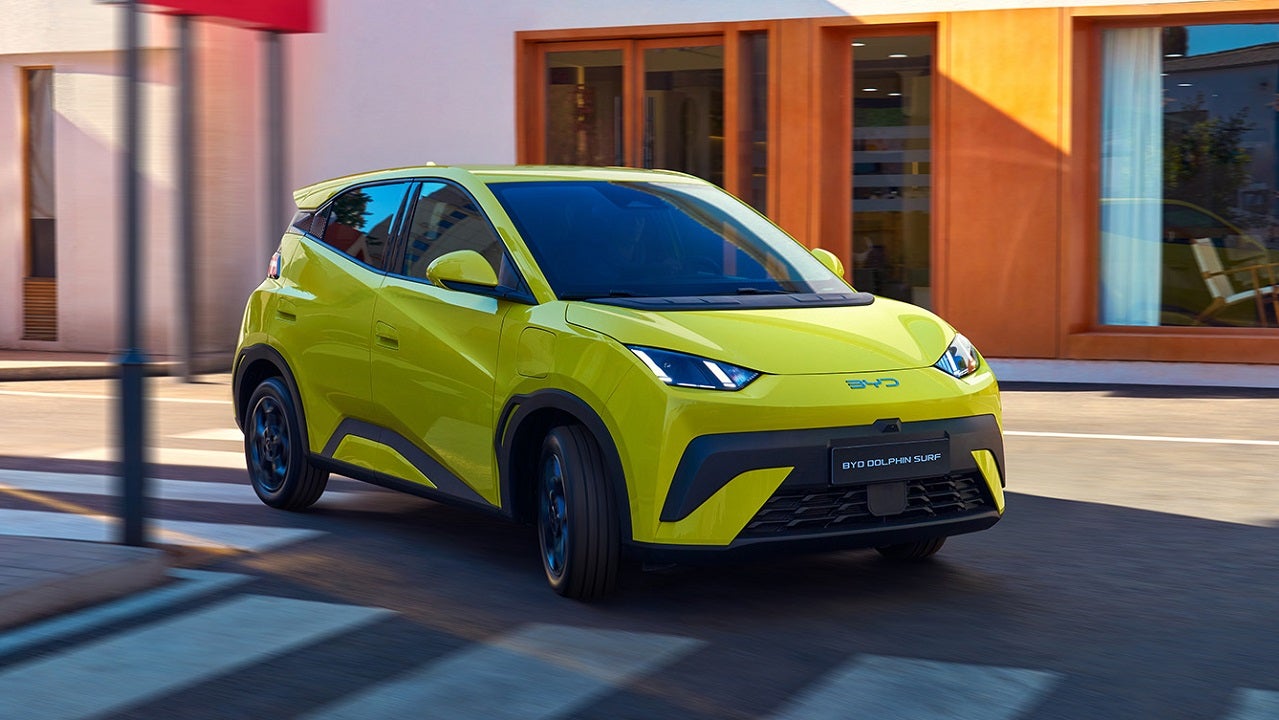
According to Blume, this poor approach has been amplified by a perfect storm: European luxury brands, including Porsche, are struggling to adapt to a rapidly evolving Chinese market, where consumer tastes have shifted in favor of more advanced local electric vehicles.
In addition, the tariffs imposed by the United States have further complicated the situation, severely affecting Porsche, which relies on several production locations.
Despite the initial success of the Porsche Taycan, the rigid focus on the electrification of the Macan has not resonated with its customer base, who are looking for a different type of vehicle. The disappointment of some consumers regarding the lack of expected features in the Taycan highlights this disconnect.
In his interview, Blume indicated that Porsche was inflexible in its approach to electrification. Although the company aimed to reduce emissions and comply with environmental regulations, the recent easing of fines by the European Union has changed the landscape.
This has allowed Porsche to reconsider its strategy, with plans to keep combustion models as options for the Macan and other models, which could open new avenues for the car manufacturer.