
As summer approaches, millions of people begin planning getaways, concerts, dream vacations, and last-minute trips.

It’s a time to unwind, have fun, and make memories—but it’s also peak season for cybercriminals. While you’re hunting for flight deals, hotel discounts, or event tickets, attackers are crafting new ways to trick you, steal your money, and harvest your personal information.
Scams involving fake event tickets, nonexistent vacation rentals, fraudulent travel insurance, and spoofed booking websites have become increasingly sophisticated.
And the consequences go beyond financial loss: many of these schemes result in the theft of personal data, identity fraud, or hijacked accounts. In this landscape, digital protection isn’t optional—it’s essential.
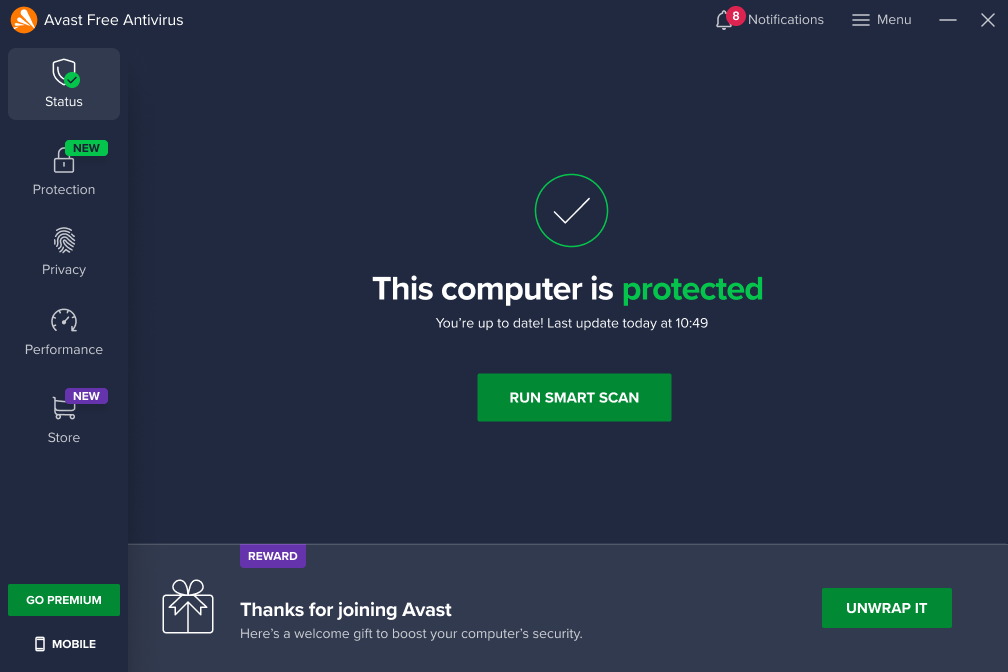
The good news is that staying safe is easier than it sounds. With tools like Avast Free Antivirus, travelers can detect suspicious websites, avoid phishing traps, and browse more securely—even on public Wi-Fi.
In this article, we’ll walk you through the most common travel-related scams and how to avoid them—so your summer is full of good memories, not digital regrets.
Why Cybersecurity Matters More During Vacation
When we’re on vacation, we let our guard down. We’re more relaxed, we make quicker decisions, and we tend to go online from less secure locations—airports, cafés, short-term rentals.
That shift in mindset and environment is exactly what cybercriminals are counting on.
If you’re traveling abroad, you’re probably using new services, paying in unfamiliar currencies, and connecting to Wi-Fi networks you don’t fully trust. Any of these actions can put your information at risk.
And here’s the scary part: you don’t even have to click on a malicious link to get targeted. Sometimes, just being connected to an unsecured public network is enough for someone to intercept your data.
That’s where Avast Free Antivirus can make a big difference. It’s built to scan websites you visit in real time, spot potential threats that may be hidden, and try to block risky connections before they can cause harm. Think of it as an extra layer of protection between your vacation and the people trying to ruin it.Think of it as a smart barrier between your vacation and the people trying to ruin it.
Common Online Travel Scams to Watch For
1. Fake Event Tickets
Concerts and festivals are a top target. Scammers use social media, hacked accounts, or fake websites to sell tickets that never arrive. Often, they’re after your money—and your personal details.
2. Phony Rental Listings
Ever found the perfect vacation rental at an unbelievably low price? Watch out. Some sites clone legitimate platforms like Booking.com to trick you into entering your payment info, but you’ll never get a room in return.
3. Travel Deals That Are Too Good to Be True
Fake travel agencies, non-existent flights, and unrealistic vacation packages are classic traps. Everything looks professional—until you pay, and the company vanishes.
4. Bogus Travel Insurance
Scammers pose as insurance providers offering cheap coverage. The catch? It’s fake. They collect sensitive data through fraudulent forms—and leave you unprotected.
5. Attacks on Your Home While You’re Away
Your home can be targeted digitally while you’re on the road. If your router is left on and devices connected without protection, hackers can exploit those entry points remotely.
Best Practices to Avoid Summer Scams
- Book through official, verified websites
Don’t trust unfamiliar platforms or deals that seem off. If in doubt, contact the hotel or venue’s customer service directly to confirm your booking. - Avoid public Wi-Fi without protection
Use mobile data or a VPN whenever possible. Public Wi-Fi is a cybercriminal’s playground. - Don’t overshare your trip online
Posting travel plans on social media might seem fun, but it signals to bad actors that you’re away—and your digital defenses may be down. - Back up your data before you go
Store important files in the cloud or on an external drive in case you lose your devices while traveling. - Keep your devices updated and use two-factor authentication (2FA)
Updates fix known vulnerabilities, and 2FA adds a strong second layer of defense. - Install a trusted antivirus solution
Avast Free Antivirus is a reliable, no-cost option that offers proactive protection against phishing, fake websites, and unsafe networks—so you can browse more safely all summer long.
In short, enjoying your vacation shouldn’t mean putting your personal data or finances at risk. The key is to plan wisely, stay alert, and use the right tools. With Avast Free Antivirus, you’re one step closer to a safer, more connected—and scam-free—summer.
