If you were there at the beginning, you will remember that Windows 95 seemed capable of doing it all. It was a computer, but it was no longer just for brainiacs: even your dad knew how to use it. It went so well that a little further on, during the early years of the millennium, Microsoft highlighted the impact of Windows XP as its most influential operating system, marking a milestone in the history of software. However, a revealing aspect has come to light: a special code allowed users to enjoy Windows XP for free for a period of 36 months, without the company being aware of it. Oops.
A special XPecial trick
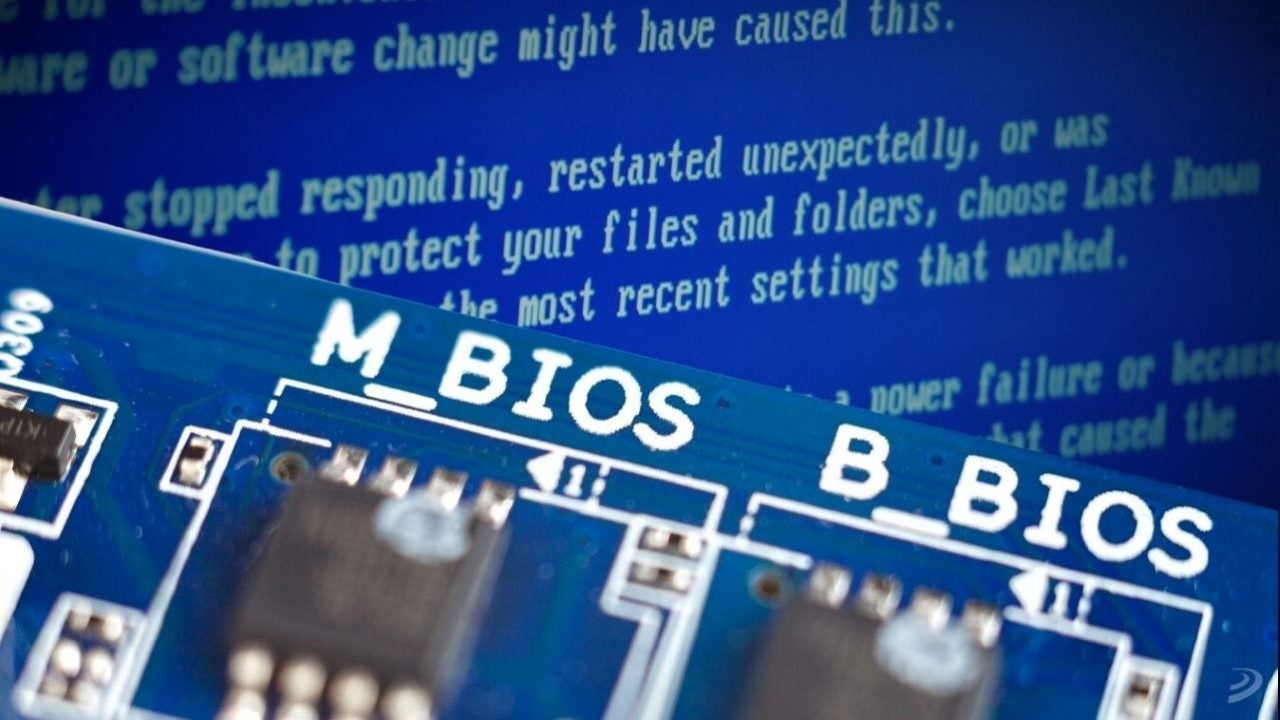
This is not the first time that Microsoft has faced similar practices. Recently, it has been revealed that Windows 95 also suffered an analogous vulnerability. At that time, various PC manufacturers used tricks in the BIOS to unlock full versions of trial software, a practice that, although common, was detected during the development process of Plug and Play (PnP) technology by Microsoft.
During the investigation related to PnP, the company found a suspicious string in the BIOS of certain devices: “Not Copyright Fabrikam Computer”. This discovery led engineers to investigate how these manipulations allowed the activation of premium features without paying the corresponding licenses, constituting a covert form of software piracy, already regulated since the MS-DOS era.
The phenomenon of automatic unlocking through specific chains in the BIOS became common in the 1990s. Manufacturers like Contoso used these types of tactics to offer more functionalities to users at no additional cost. This finding has highlighted how technological innovations can reveal the most problematic practices in the industry, generating a controversy that persists to this day.
As Microsoft continues its transition of users from Windows 10 to Windows 11, these revelations add a new layer of complexity to the narrative of one of the software giants, showing that the shadows of the past also loom over its future.