As every year during the CES (Consumer Electronics Show), companies show us their technological advances and curious inventions with the aim of improving our quality of life. The 2023 edition was no different and among the products shown, we can find everything from Samsung’s MiniLED TVs to a toilet that can perform urine analysis.
Neutrogena, one of the companies present at the 2023 CES, took the opportunity to show several of its advances focused on the beauty and health sector. However, there was one product in particular that managed to capture the attention of those present.
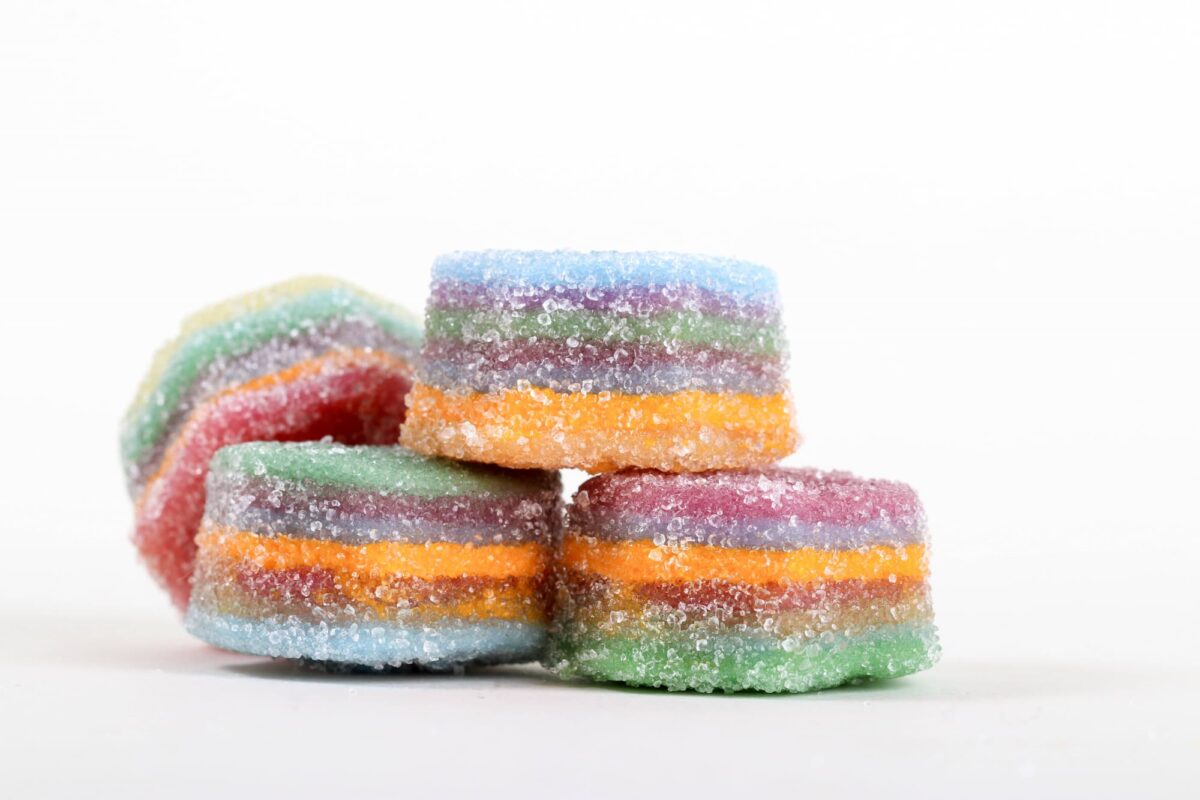
This year, Neutrogena has presented its new collaboration with Nourished, a company specialized in producing food supplements in the form of 3D printed gummies. Both companies announced the launch of a new technology that allows creating skin supplements from 3D prints. In addition, it also uses artificial intelligence so that each user has their own personalized supplements.
And how does this technology work exactly? It all starts with Skin360, a Neutrogena-owned app. Through the app, users have to take pictures of their skin (it must be clean and dry), answer a series of questions, mark the goals they want to achieve, and then they will be recommended the ideal supplement for this.
For a accurate diagnosis, the software is able to analyze almost 2,000 different attributes of our skin and based on the data obtained, design a personalized chemical composition. After the analysis process, Nourished prints the necessary gummies (vegan and with no added sugar) in 3D and sends them to their owners in biocompostable packaging.
However, this is not Neutrogena’s first foray into the field of 3D printing. In March 2022, the company presented other supplements, but focused on improving oral health thanks to a collaboration with Colgate.
What is clear is one thing: thanks to these advances, health companies aim to aim for a future where users can “create supplements on demand“.