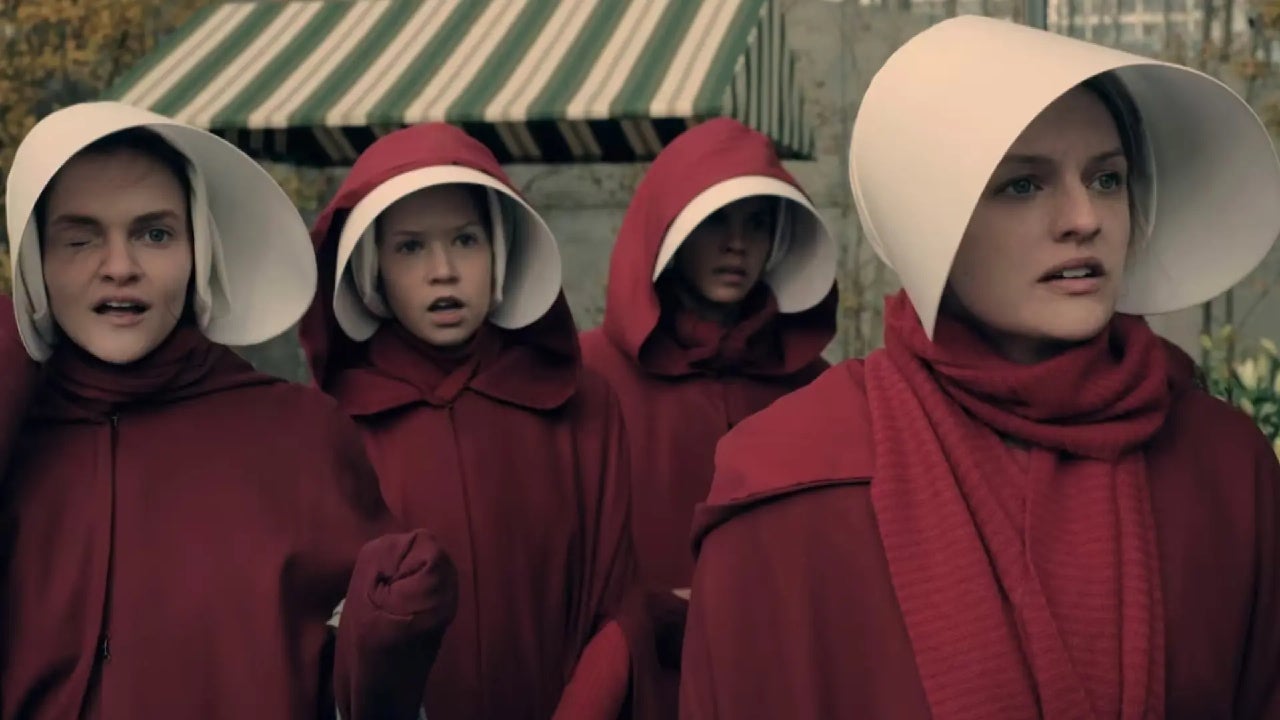
The series The Handmaid’s Tale concluded its thrilling journey after six seasons, generating mixed reactions among fans. This ending, which arrives in a context where other series like The Last of Us and Hacks are also wrapping up their seasons, has had to deal with high expectations, considering its relevance within the current television landscape.
An ending that could have given much more
The final episode, written by Bruce Miller and directed by the lead actress Elisabeth Moss, has been noted for its ambiguous tone and the way some dialogues seem forced to connect with the original novel. This execution has generated criticism regarding its narrative effectiveness, as there is a perceived lack of emotional depth that has left many viewers indifferent, even those who are prone to being easily moved.
Throughout the series, some episodes have stood out for their great impact, while others have been considered disappointing, creating an ambivalent relationship with the work. In this sense, the ending is no different from this trend, presenting emotional moments but also rather soft resolutions, a notable contrast after the turmoil in the Gilead leadership in the previous episodes.
Additionally, the ending brings with it a reference to the original novel, suggesting that June, the narrator, should write her story, an echo of the discussions surrounding the authorship of the manuscript. This leads to a conclusion that, while attempting to offer an open door to the future and a sequel in The Testaments, results in an execution that does not meet the high expectations previously set.