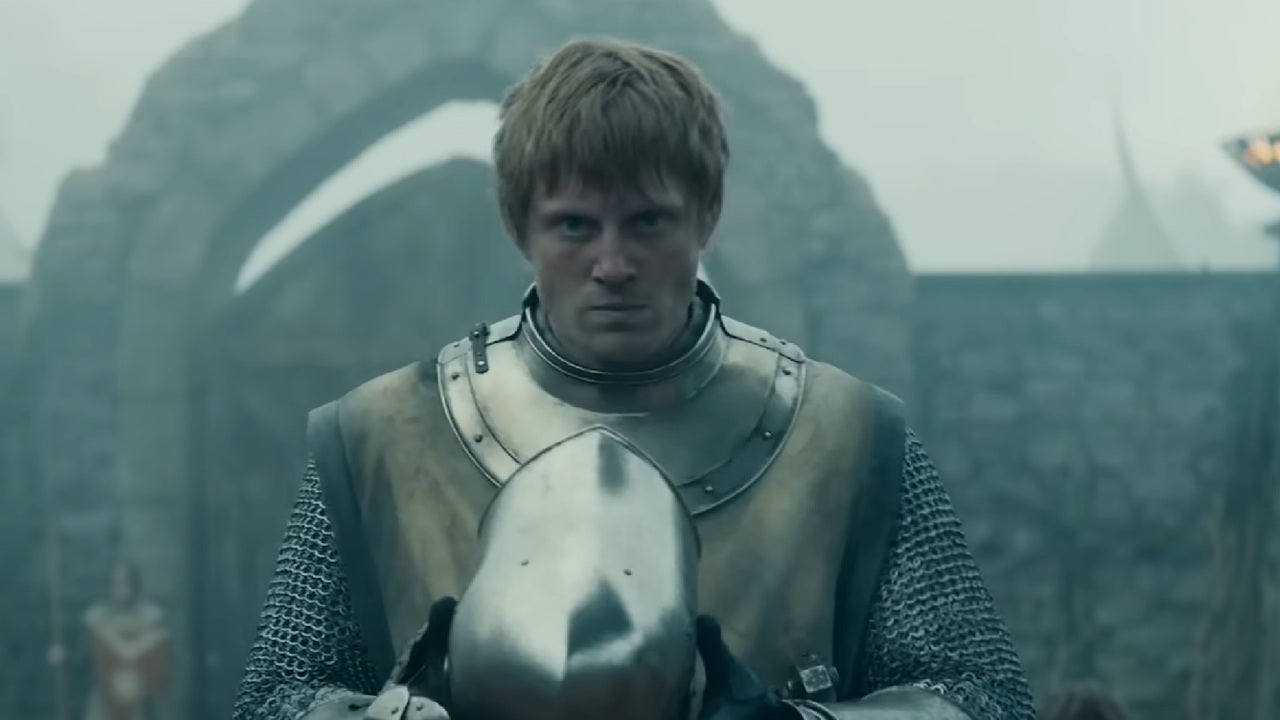
The universe of Westeros continues to generate debates and speculations among fans, especially after the recent events in the first episode of the series The Knight of the Seven Kingdoms. In a final scene that has surprised many, the characters Ser Duncan and Egg suggest that the traditionally accepted number of kingdoms might be wrong, proposing instead that there are nine kingdoms. This humorous revelation raises questions about the history and storytelling in the world created by George R.R. Martin.
The Seven Kingdoms Were Not What We Thought We Knew
Historically, the Seven Kingdoms refer to the seven areas conquered by Aegon the Conqueror: the North, the Isles and the Rivers, the Mountain and the Vale, the Rock, the Reach, the Stormlands, and Dorne. However, the late incorporation of Dorne into Westeros has led to confusion about the actual number of kingdoms. The reality is that the Targaryens granted new noble titles to various houses, which further complicated the understanding of the political structure of the continent.
The number seven holds significant weight in various cultures and religions, underscoring its relevance in the narrative of Westeros. From the Faith of the Seven to the curse of Seven hells, this number has been a fundamental pillar in the history and mythology of the medieval world. Although The Hedge Knight adopts the classical nomenclature, the dialogue between Dunk and Egg invites viewers to reflect on historical accuracy in a world where tradition often eclipses the truth.
Fans of the series are now wondering if this change in the perception of the realms will influence future plots. While the title of the series remains, the game of telling realms could have a lasting impact on the overall narrative of the franchise. Additionally, the series will continue to explore themes of legacy and conflict in a context where stories intertwine with a complex and often confusing historical backdrop.