
Large language models (LLMs) are radically transforming the way consumers discover brands and find answers to questions, both simple and complex. This shift forces marketers to rethink their strategies, moving from a traditional SEO approach to one more focused on being cited as sources in the answers generated by these technologies.
Will the Internet Survive AI?
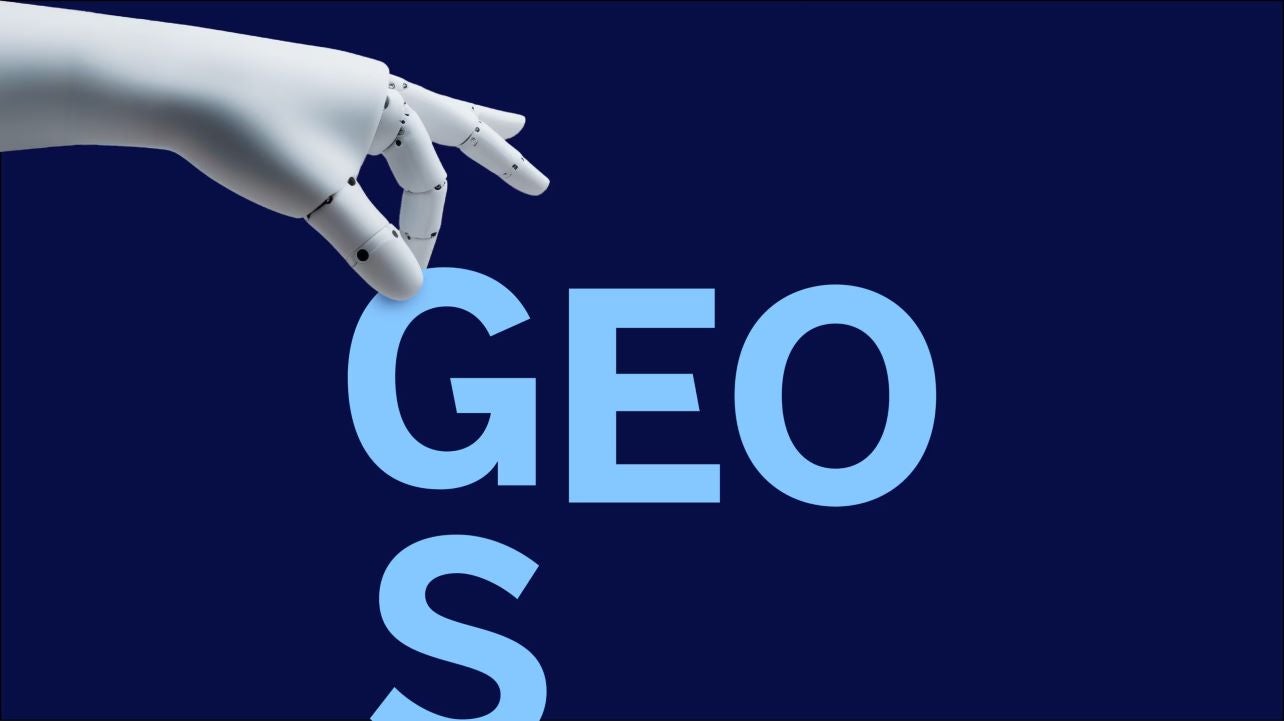
Unlike conventional SEO strategies, which focus on achieving a high ranking in search engines, the new goal is to be mentioned within generative responses. This approach, known as GEO (Generative Engine Optimization), is based on key metrics that allow measuring the effectiveness of marketing actions, such as mention frequency, referral traffic, and share of voice.
However, the transparency in the decision-making of these generative engines is limited. They often operate as “black boxes,” making it difficult to identify why certain content is cited. This opacity complicates the task of replicating success and measuring the real impact of GEO strategies on web traffic. It is essential to monitor the traffic coming from these engines, as it reveals the direct value of the strategy in terms of site visits.
In addition, the importance of the position and prominence of content in generative responses is emphasized, as well-positioned content reflects the engine’s perception of the brand’s authority and relevance. Despite having some solid metrics, marketing professionals must be aware of the limitations in value attribution, especially when multiple sources are combined into a single response.
As the GEO landscape continues to evolve, experts will need to master current metrics while seeking to unravel the complexities that will define the future of optimization in an increasingly influenced environment by generative artificial intelligence.