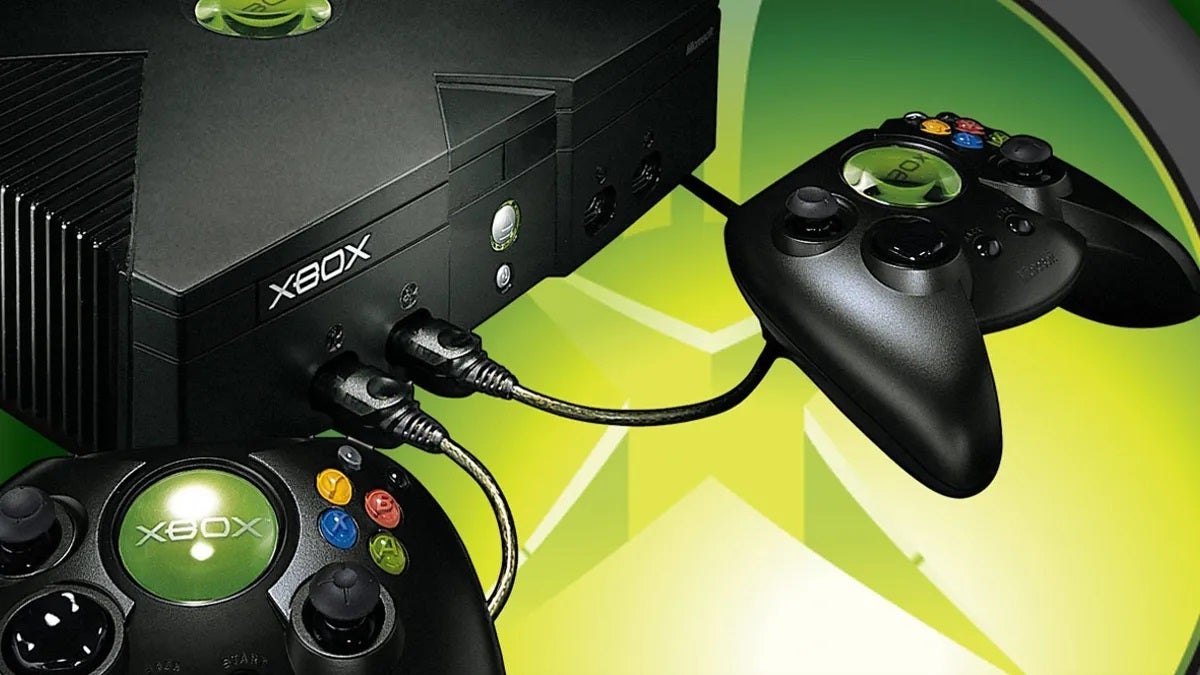
Bill Gates, co-founder of Microsoft, expressed his deep concern during the development of the original Xbox, accusing the team of “insulting” his work by not basing the console on Windows.
This incident has been remembered in the company as the ‘Valentine’s Day massacre’, reflecting internal tensions at a crucial time for the video game industry.
The creation of the Xbox was driven by the significant success of Sony’s PlayStation 2, leading Microsoft to explore the console market to establish a presence in home entertainment.
A console that was actually a computer
Unlike its competitors, the original Xbox was designed as a ‘living room PC’, incorporating a Pentium III processor and an Nvidia NV2A graphics card, marking a clear differentiation from its conception.
A significant milestone in the launch of the Xbox was the creation of Xbox Live, an innovative online gaming service that laid the groundwork for multiplayer on consoles.
This platform allowed features such as voice chat and friend lists, revolutionizing the way players interacted. Iconic games like Halo harnessed the power of the available hardware, becoming flagship titles that helped cement the console’s narrative.
Despite its powerful hardware, the reception of the Xbox outside of America was moderate, facing strong competition from the PS2 in Europe and Japan. The console, although more technologically advanced and with an initial price of $479, had to deal with a widespread perception that it was expensive and not accessible. This led Microsoft to lower prices to conquer an already dominated market.
With 2026 marking the 25th anniversary of the original Xbox, it is a fitting time to reflect on its legacy in the industry and how it laid the groundwork for future generations of consoles and entertainment services.