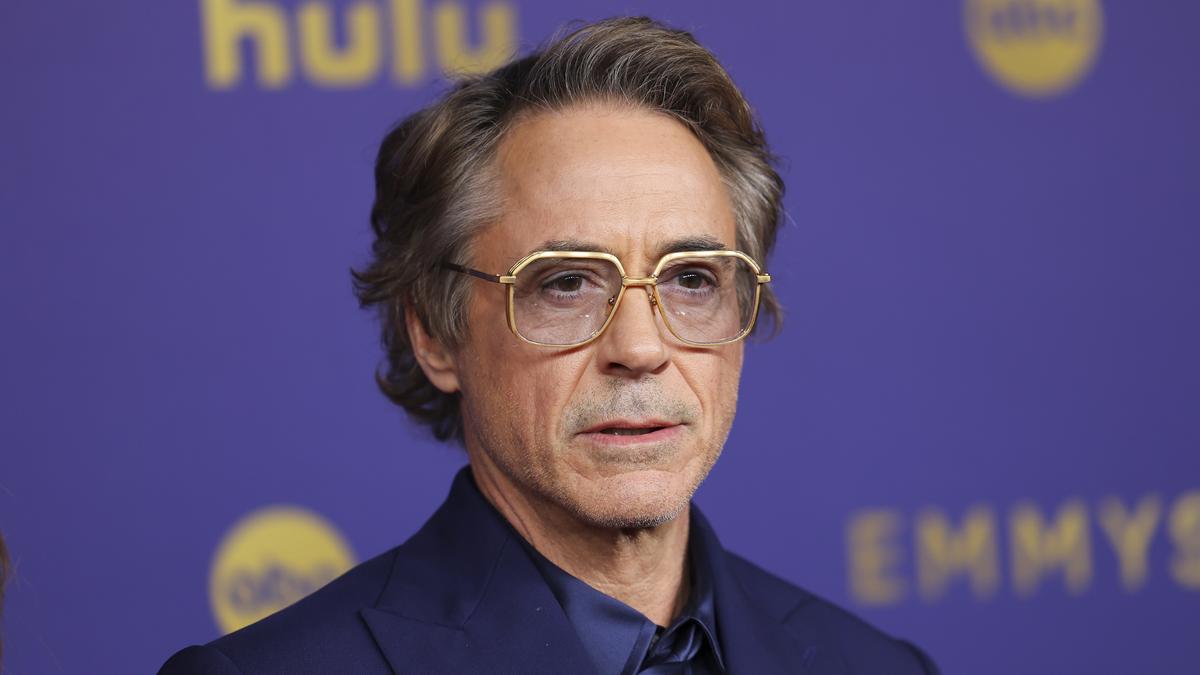
Artificial intelligence (AI) is revolutionizing the creative field, generating a vortex of controversies in Hollywood. Actors and screenwriters have expressed their rejection of the possible exploitation of their image and talent without their consent or compensation.

Robert Downey Jr., conocido por sus icónicas interpretaciones como Iron Man, ha surgido como una de las voces críticas más fuertes respecto al uso de la IA en la industria del cine.
En un reciente podcast, Downey Jr. expresó su preocupación por la posibilidad de que su imagen fuera recreada utilizando tecnologías de IA y deepfake.
No to AI in the world of cinema and art
The actor warned about the threat that this practice poses to the identity and work of performers, insisting on the need to establish a contractual language that safeguards actors from being impersonated without authorization.
“Artificial intelligence poses a threat to creative professions,” stated the actors’ union, highlighting the dangers associated with this technology.
Contrasting Downey Jr.’s stance, Bruce Willis has taken a different approach by granting the necessary rights for an AI to replace him after his retirement, which has led to a debate about the ethical implications of such a decision.
Mientras que algunos actores están abiertos a la idea, la mayoría es escéptica y protectora de su legado profesional.
Scarlett Johansson has also been a notable advocate for the protection of artistic image, having faced issues related to the unauthorized use of her voice and image.
La creciente preocupación entre las partes interesadas ha llevado a un llamado a la acción y a la búsqueda de regulaciones legales que rijan el uso de la IA en la industria del entretenimiento, un tema que, aunque aún no parece urgente, podría transformar radicalmente la forma en que se desarrolla la producción cinematográfica en el futuro.