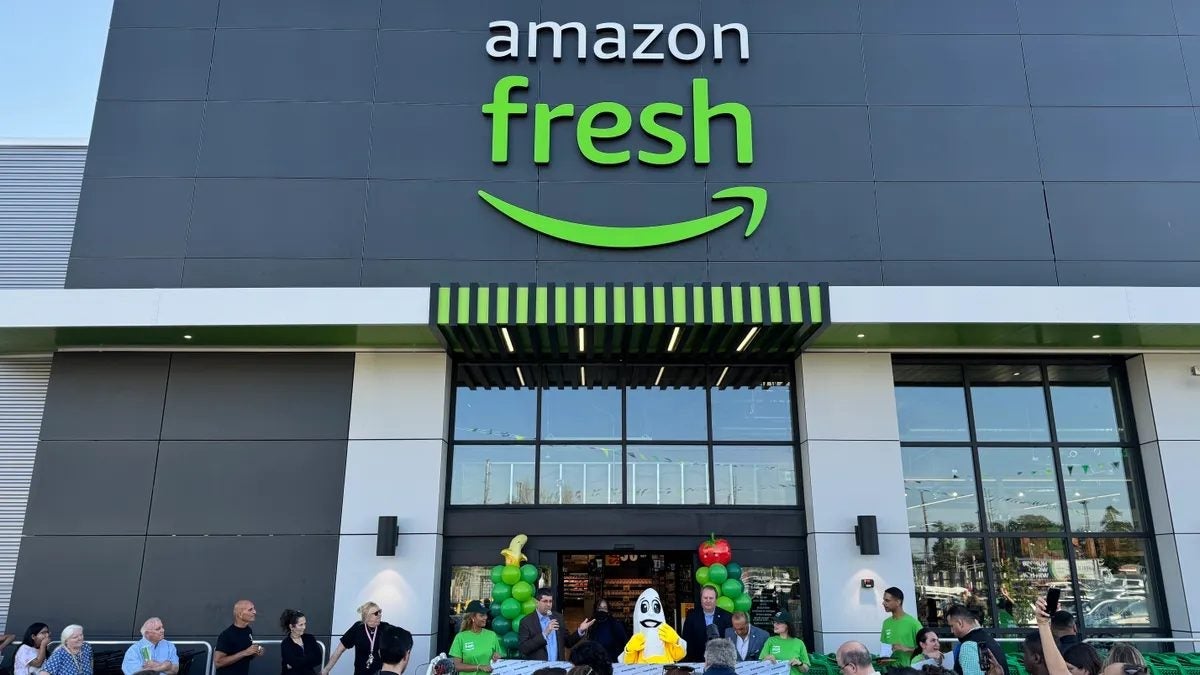
Amazon, which dominates e-commerce with nearly 40% of the market, still faces significant challenges in the food sector, which represents one of the largest consumer spending categories. Despite making multiple investments and strategic changes, its penetration in the food sector remains limited. With approximately 500 Whole Foods stores and 50 Amazon Fresh, Amazon is at a disadvantage compared to competitors like Walmart, which has about 5,000 stores. This lack of physical presence limits Amazon’s ability to capture the 87% of food purchases that are still made in physical stores.
This week’s purchase also on Amazon
Some analysts have pointed out that having a network of physical stores is crucial for success in the grocery sector. Although Amazon has considerably vast resources, its inability to scale an effective network of stores has been a significant obstacle. Furthermore, Amazon’s fragmented strategy in the food sector has affected its ability to provide a unified shopping experience.
In response to these challenges, Amazon has begun to unify its products under the ‘Amazon Grocery’ brand, which includes approximately 1,000 items predominantly at affordable prices. This initiative has been well received, highlighting the need to increase its offering of private label products, especially in non-perishable items. However, the ‘Amazon Grocery’ brand has faced criticism for its lack of appeal.
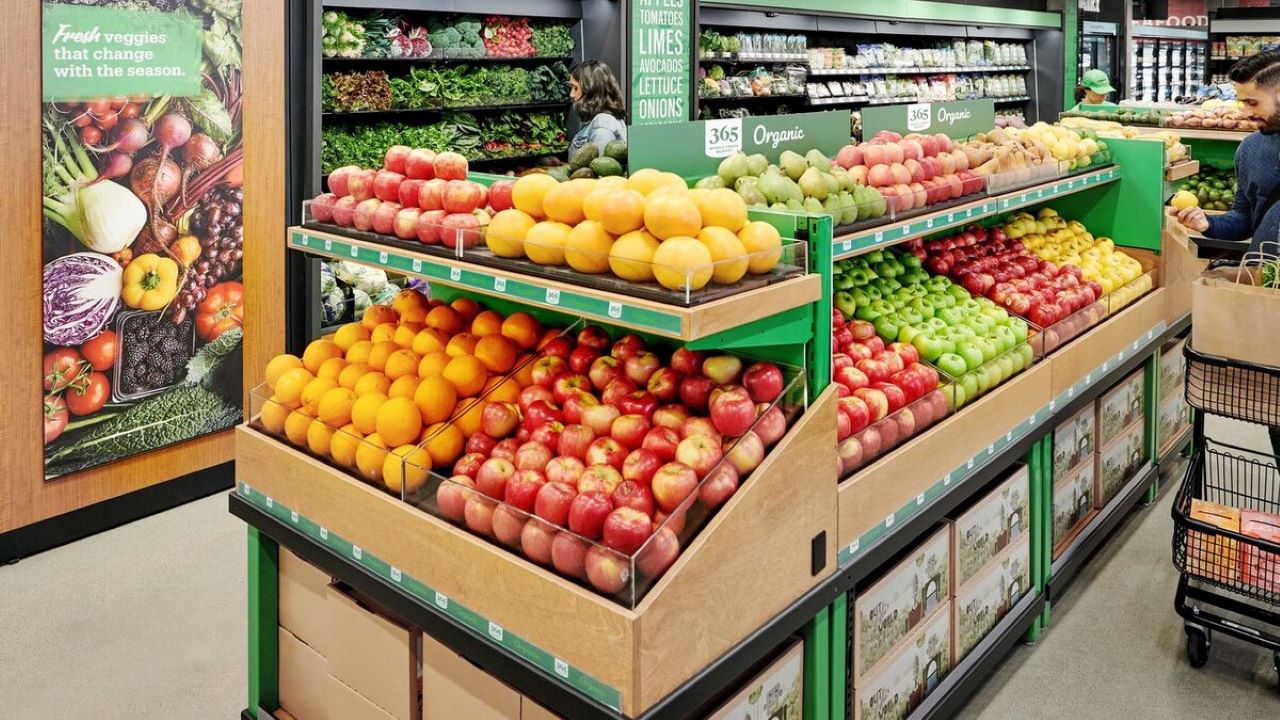
As Amazon continues to experiment with new strategies, such as closing underperforming Fresh stores, key opportunities have emerged to improve its positioning in the food market. The expansion of same-day perishable food delivery and the creation of a unified online shopping experience could be decisive factors in increasing its market share. With reports suggesting that Amazon could benefit from a Prime membership specifically for food products, the company continues to seek ways to adapt in a competitive and ever-evolving sector.