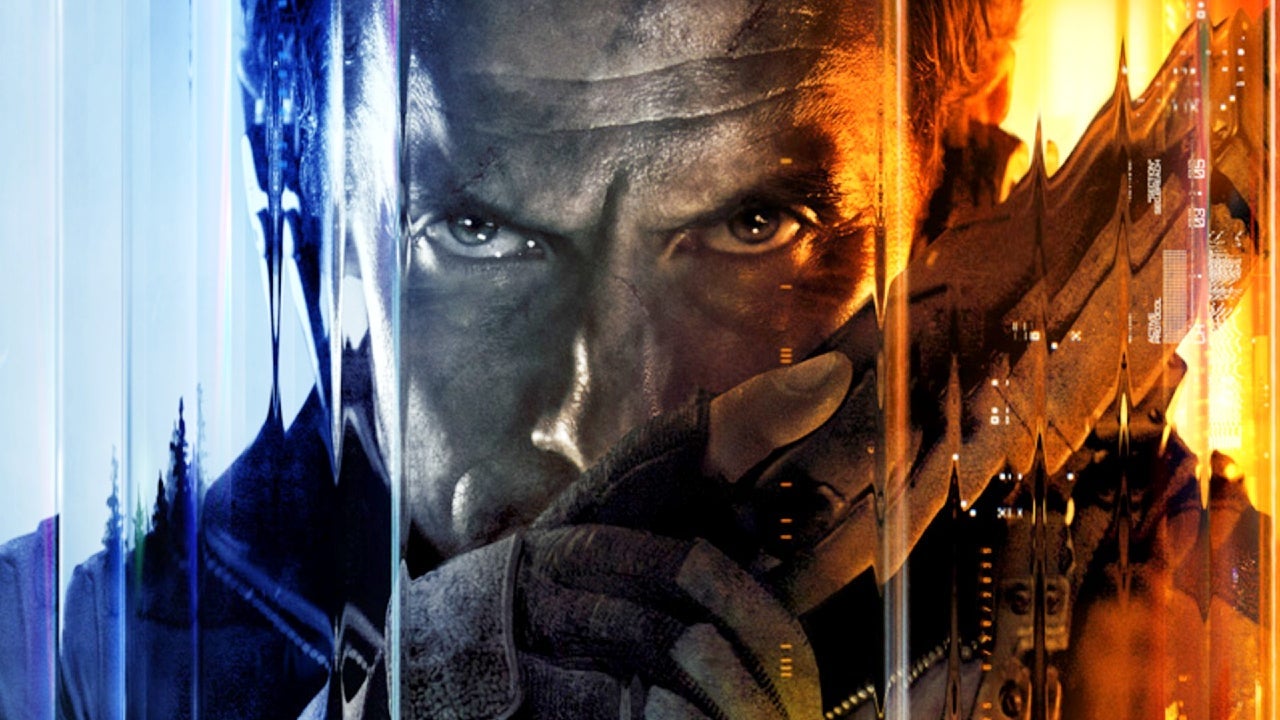
The launch of Call of Duty: Black Ops 7, scheduled for November 14, has begun with significant challenges following the recent beta that showed low interest, with only 75,594 users. Despite Activision boasting about the effectiveness of its anti-cheat system, RICOCHET, players have expressed strong dissatisfaction with the reported results.
Where they set their sights, they set the ban
Activision claims that RICOCHET was able to detect and ban 97% of cheats within the first 30 minutes of gameplay. However, many beta participants have questioned the veracity of these claims, mentioning that despite the system’s efforts, they still encounter cheaters in matches. The company does not deny the presence of third-party tools that are used to gain an advantage, but defends the speed with which its system can act.
“It was to be expected that there would be cheaters. But our improved systems detected them faster than ever,” Activision stated in a statement. This is compounded by the fact that less than 1% of cheating attempts managed to start a match, and those who did were quickly expelled. However, skepticism among players persists, with comments suggesting that the promises of the anti-cheat system’s effectiveness are not reflected in their gaming experience.
Treyarch announced that they plan to implement improvements in RICOCHET, including machine learning-based tools to enhance cheat detection. However, these improvements will not be available during the beta, but are expected for the official game launch. The situation is further complicated by the fact that Activision has shut down more than 40 developers and cheat vendors as part of its ongoing fight against cheating in the game.