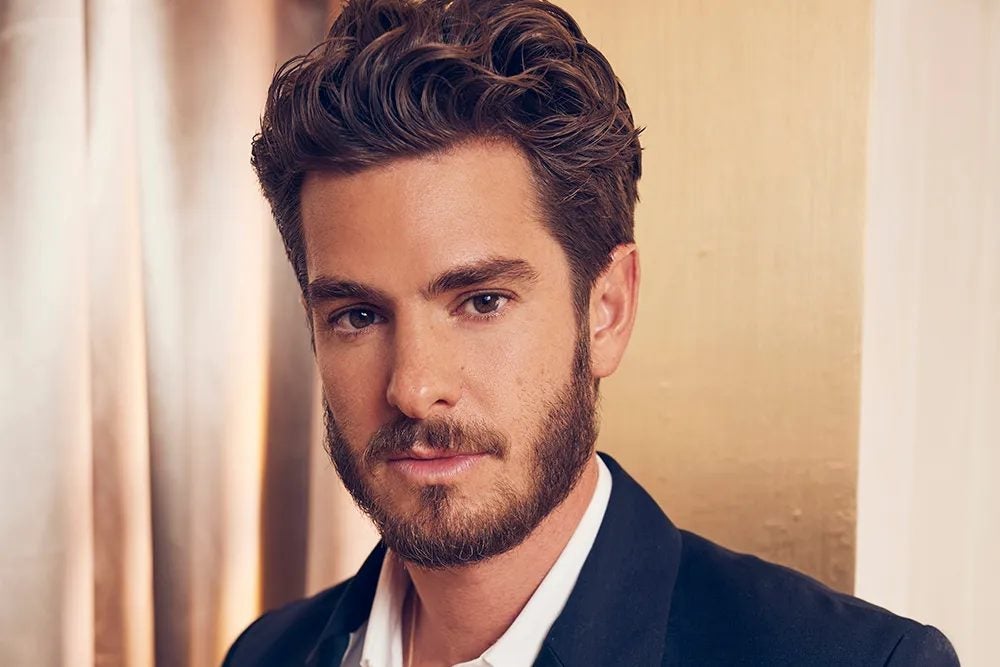
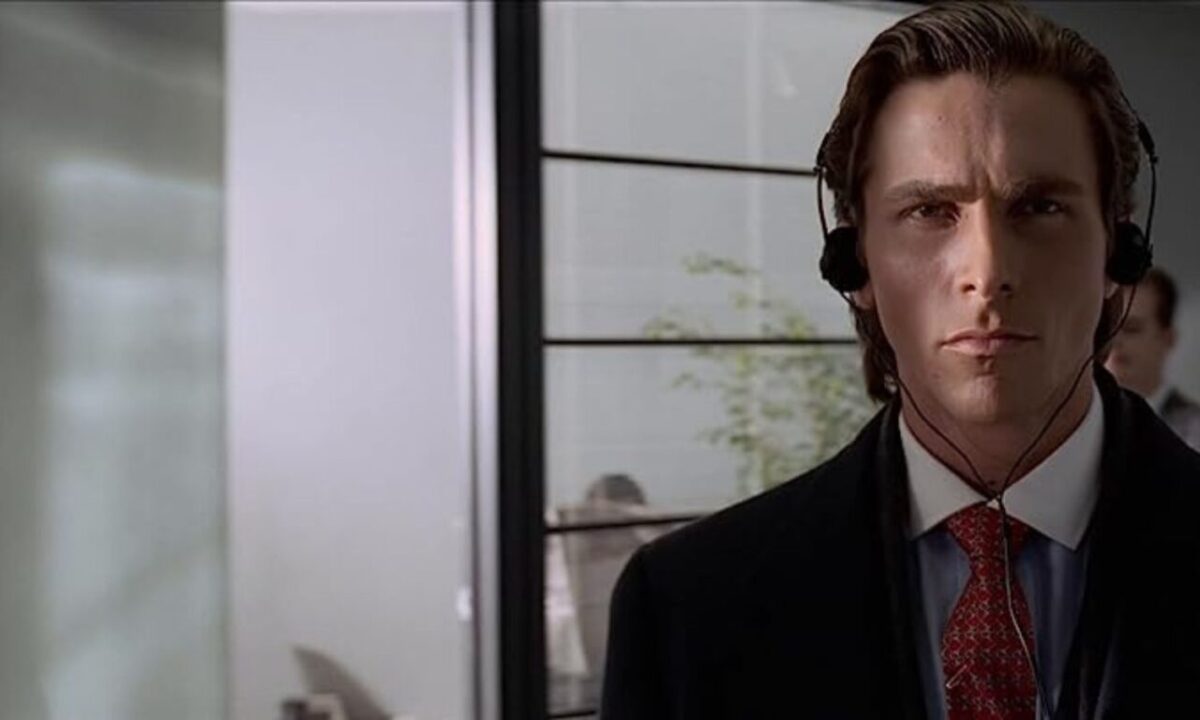
Luca Guadagnino has come to the defense of Timothée Chalamet after he made viral comments about the future of cinema, expressing his concern that the cinema experience does not become something elitist, similar to ballet or opera. During a recent interview, Chalamet emphasized the importance of keeping cinema accessible to all audiences, avoiding the risk of being perceived as an exclusive art form.
The crazy Chalamet
Guadagnino, known for his work in acclaimed films such as Call Me by Your Name and Suspiria, is currently preparing for the premiere of his version of the opera The Death, by American composer John Adams, which premiered in 1991. This moment is particularly interesting as it addresses the connection between music, cinema, and other forms of artistic expression. His support for Chalamet reinforces the need to preserve diversity in cultural experiences, a topic that has gained relevance in recent years both in film criticism and in the public dialogue surrounding the performing arts.
Chalamet’s statements and Guadagnino’s response highlight an ongoing debate about the evolution of entertainment in the digital age. As streaming has become ubiquitous, many artists and filmmakers feel increasing pressure to adapt to a rapidly advancing market. The struggle for accessibility in the arts emerges as a central point, where figures like Guadagnino and Chalamet advocate for keeping cinema and opera as vehicles of democratic cultural expression.
This dialogue between cinema and opera is surprising at a time when both worlds seem to diverge in their accessibility, raising questions about the future of the performing arts. Guadagnino, with his imminent work, highlights the need to find a balance that allows audiences to enjoy cultural richness without elitist barriers.