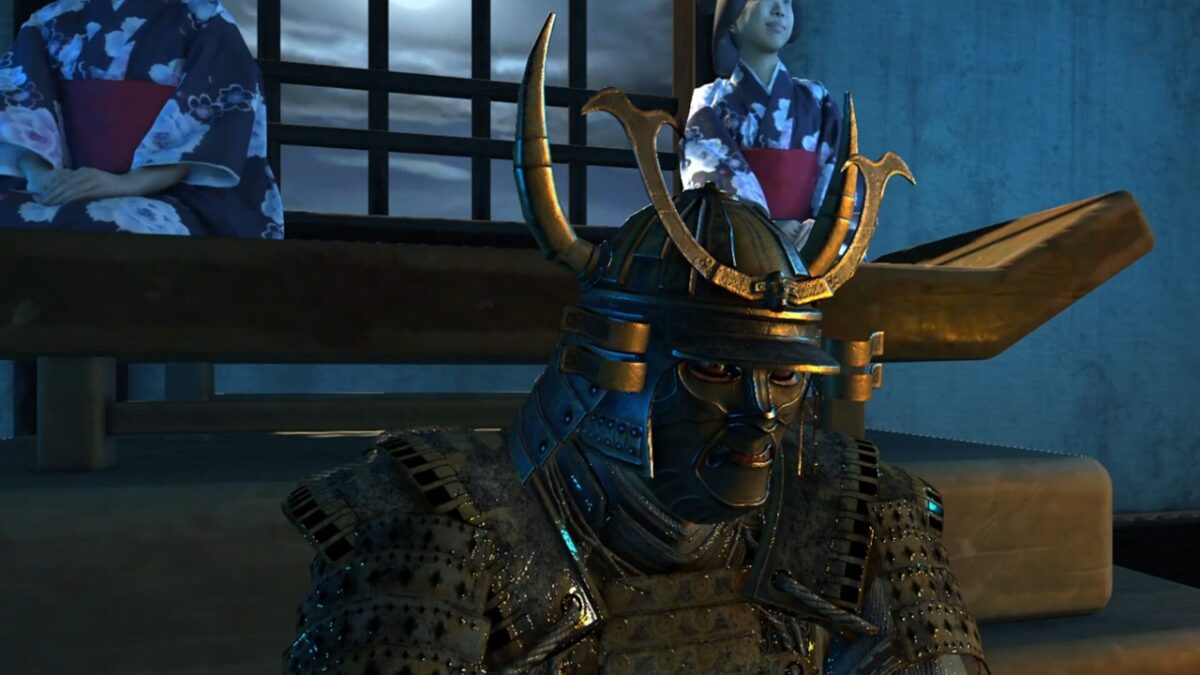
The recent release of Assassin’s Creed Shadows has unleashed a wave of enthusiasm in the gaming community, surpassing two million players in just two days, making it one of the most significant successes of the franchise. This achievement not only eclipses previous titles like Odyssey and Origins, but also reflects unprecedented media attention, even leading ministers and prominent figures in Japan to comment on the representation of characters and the controversy surrounding the destruction of cultural sanctuaries.
A game that takes advantage of the absurdity of the controversy
The controversy has created a favorable context for the emergence of Yasuke Simulator, an indie game released on the same day as Assassin’s Creed Shadows. Developed by HistoryAccurateDevelopers, this title offers a satirical take on the debate over historical representation, allowing players to experience absurdities such as the use of firearms in feudal Japan. With an initial price of 3.99 euros, but with a discount bringing it down to 3.39 euros, this game has captured the attention of many users, accumulating “extremely positive” reviews on the Steam platform.
The criticisms have united fans and detractors of Assassin’s Creed Shadows, as many see Yasuke Simulator as a way to mock Ubisoft and the controversies surrounding the main game. The reviews, filled with humor and sarcasm, highlight the absurd nature of the simulator and the creativity of its developers, leveraging public outrage and social criticism as a basis for their content. A notable example is the review by a user known as Manocheese, which has gone viral for its ability to cleverly weave these themes together.
Thus, the success of Assassin’s Creed Shadows and the impact of Yasuke Simulator reflect a turning point in the universe of video games, where social criticism and satire intertwine with entertainment, generating a unique dialogue between creators, players, and critics.