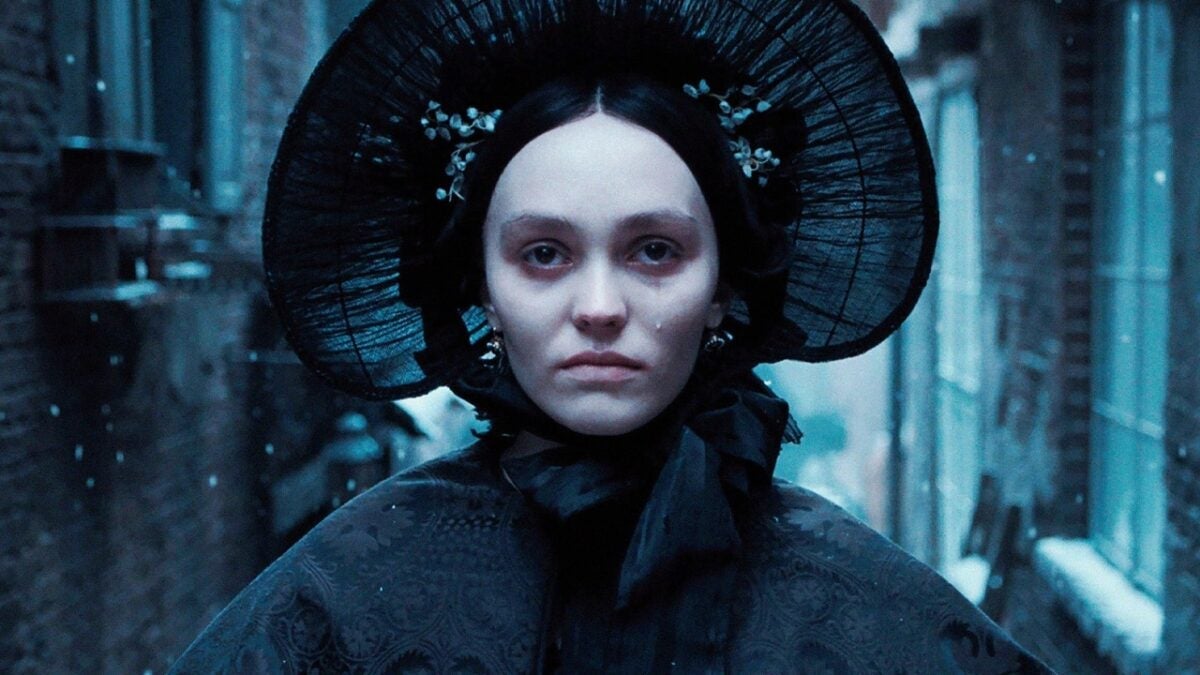
Robert Eggers has strengthened his reputation as one of the most critically and publicly acclaimed directors after the success of his latest film, Nosferatu. His characteristic auteur style, often distant from commercial conventions, has managed to generate intense debate among viewers, making him a unique figure in the film industry.
Recently, Eggers participated in Criterion’s Closet Picks, where he shared his most significant cinematic influences. Among them, he highlighted The Innocents, a classic psychological horror film directed by Jack Clayton in 1961. This movie, based on Henry James’s work The Turn of the Screw, tells the unsettling story of a governess taking care of two orphaned children in a mansion, and it has been recognized for its innovative use of cinemascope.
A Particular Taste for Classic Staging
Eggers praised the collaboration between Clayton and cinematographer Freddie Francis, highlighting how their joint work resulted in a sophisticated staging that immerses the viewer in the story. “I think they really motivated each other to have the most elegant staging that doesn’t draw attention to itself,” Eggers stated, asserting that The Innocents stands as one of the masterpieces of cinemascope.
Eggers has been described in the past as a “pure author,” highlighting his versatility and deep knowledge of the multiple disciplines of cinema, from writing to editing. This constant pursuit of perfection and his passion for storytelling allow him to move the audience in a unique way, turning each of his projects into a memorable cinematic experience.