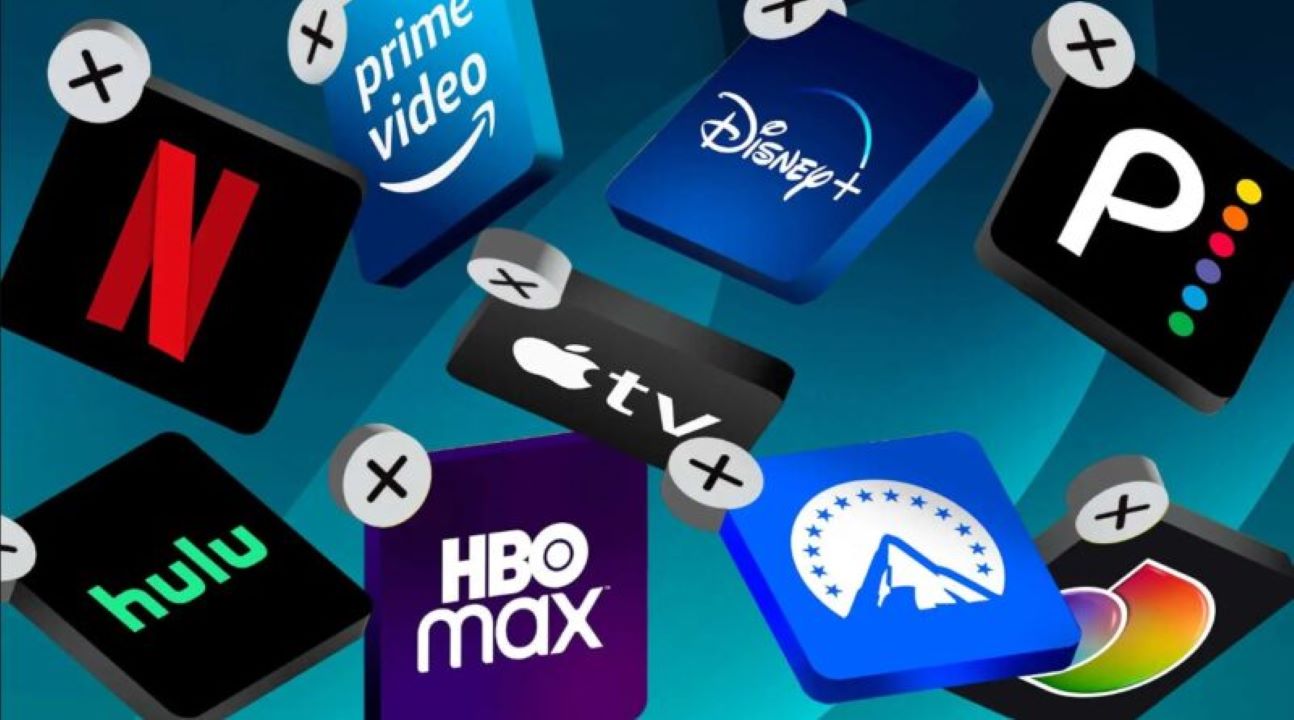
Streaming prices have increased by almost 20% in December 2025, according to inflation data from the Bureau of Labor Statistics. This increase is part of a broader context of inflation that has affected various categories in the consumer price index, where entertainment stands out as one of the most impacted sectors.
The first to suffer the cut are the least established services
Numerous streaming services have raised their rates throughout 2025. Disney+ implemented a price increase in September, while HBO Max did so in October. Other services like Spotify are also considering price hikes for next year. These changes are particularly concerning for consumers who, due to inflation, are adjusting their budgets and are more likely to cut back on their entertainment spending.
In this situation, families tend to prioritize more established streaming services, such as Netflix, which have sports rights, at a time when purchasing power is increasingly limited. The fragmentation of streaming rights for sports contributes to fans facing the need to navigate multiple subscriptions. For example, some NFL games are available through Amazon Prime Video, ESPN Unlimited, and YouTube TV, forcing fans to acquire several costly subscriptions to access the events they want to watch.
Consumers seem willing to keep entertainment in their lives, but if fees continue to rise, the number of services they are subscribed to is likely to decrease. With ongoing concerns about inflation and rising costs, the streaming landscape could face significant changes in the coming years.