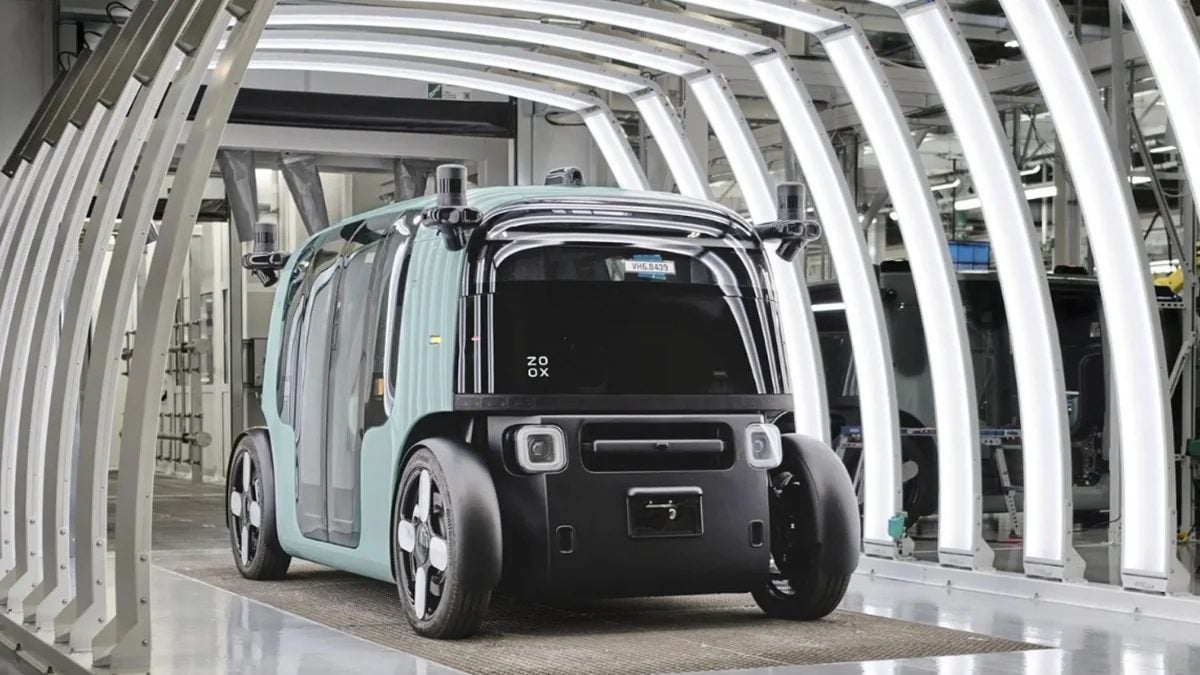
The implementations of robotaxis are advancing from pilot tests to broader deployments, as companies seek to capitalize on advancements in autonomous driving. This move marks a new era in urban mobility, where competition intensifies among companies wanting to lead the market, facing giants like Uber and Tesla.
Science fiction movie or reality?
According to a report by Precedence Research, the robotaxi market is expected to grow from 4.43 billion dollars this year to 188.91 billion by 2034. This projection highlights a significant evolution in the commercialization and adoption of this technology, suggesting that many companies are heavily investing in the development of fleets of autonomous vehicles.
However, the path to the full integration of robotaxis is not without obstacles. Senator Josh Hawley, a Republican from Missouri, recently announced his intention to propose a legislation that would ban fully autonomous vehicles in the United States. According to Hawley, this technology poses safety risks and threatens jobs in the transportation sector, stating that only humans should be behind the wheel.
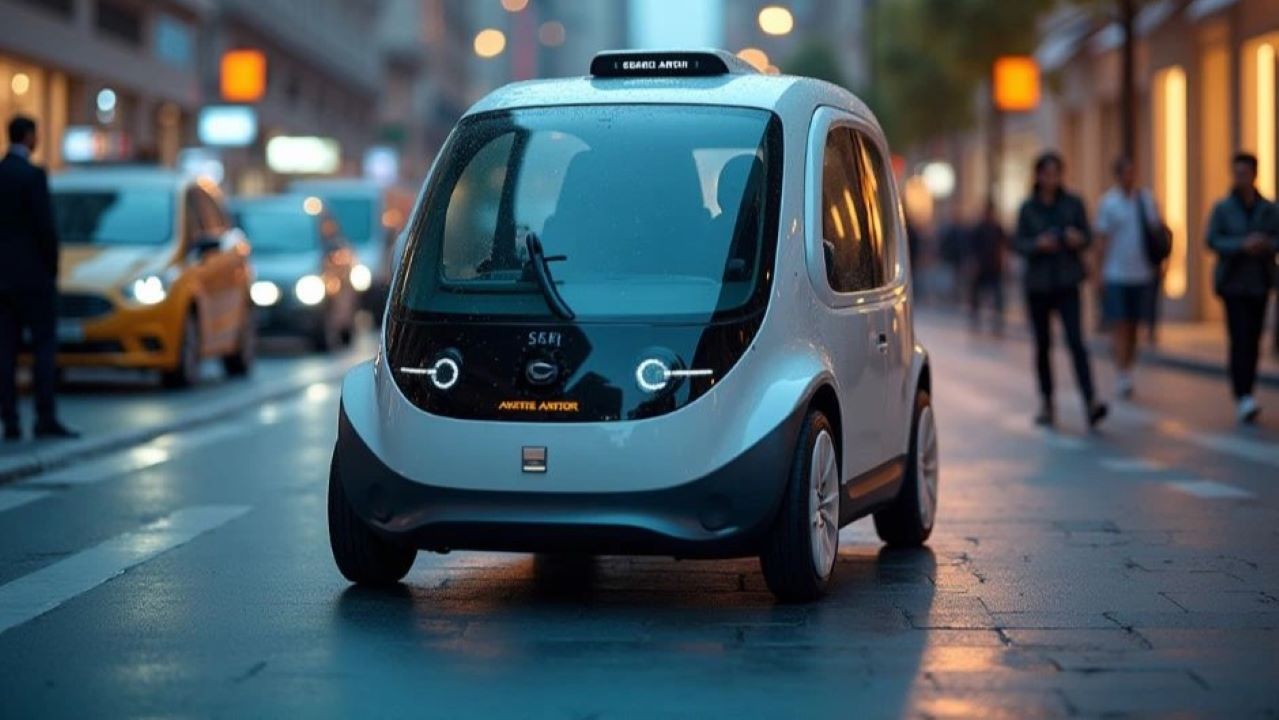
Despite these legislative barriers, the opportunities for companies betting on robotaxis extend beyond passenger transport. These fleets could serve as support for delivery services, opening new commercial applications involving package transport. The involvement of companies like Uber and DoorDash in delivery robot trials indicates a growing interest in on-demand logistics, and robotaxis could be the next step in this evolution.