Toyota has announced a delay in the construction of its new electric vehicle (EV) battery plant in Japan, a project critical to the company’s ambitions in the fast-evolving EV market.
Initially slated to start production of next-generation batteries with over 620 miles of range by 2028, the company cites lower-than-expected demand for EVs and rising construction costs as primary factors for the postponement.
This setback comes in the wake of earlier plans outlined nearly two years ago, where Toyota aimed to launch a series of innovative EV batteries that promised longer ranges, quicker charging times, and reduced costs.
In a market increasingly dominated by aggressive players like BYD
The first of these batteries, branded as “Performance” was anticipated to hit the market next year, offering nearly 500 miles of range and an impressive fast charging capability of 10% to 80% in just 20 minutes. However, these goals are now in jeopardy.
While Toyota grapples with delays, competition intensifies. BYD, the Chinese EV manufacturer, has overtaken Tesla in terms of revenue, bolstered by its low-cost, long-range Blade LFP batteries that allow for profitable operations.
In contrast, Toyota’s decision to slow its battery production plans positions it unfavorably in a market increasingly dominated by aggressive players like BYD.
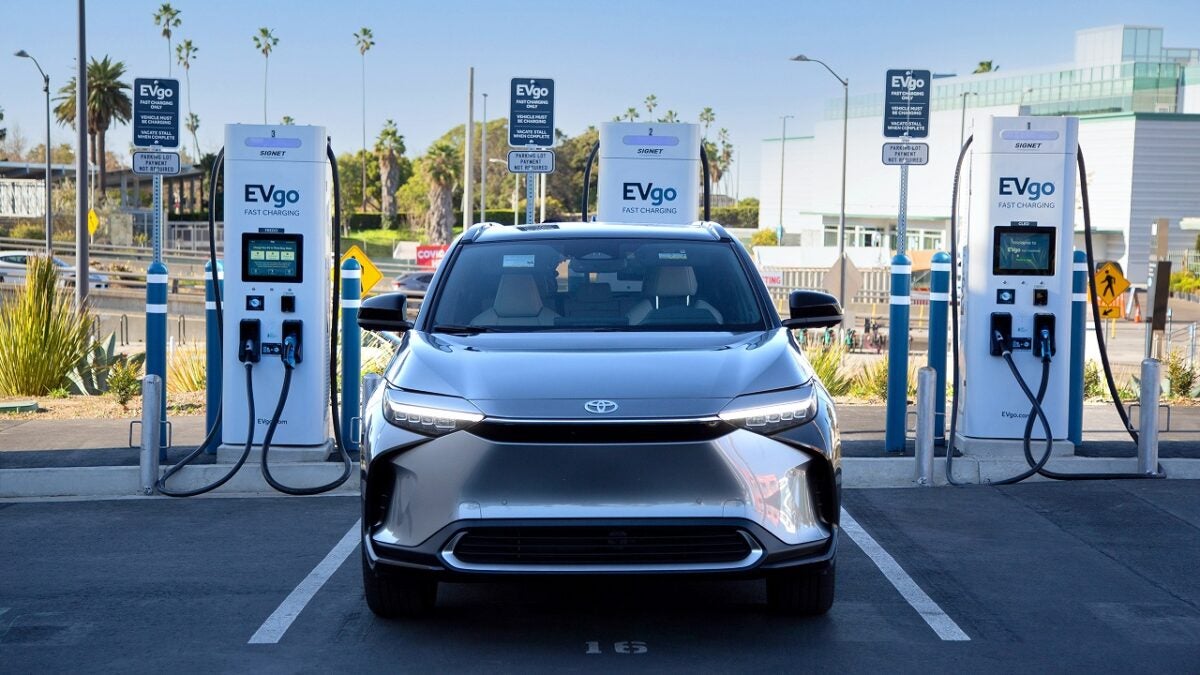
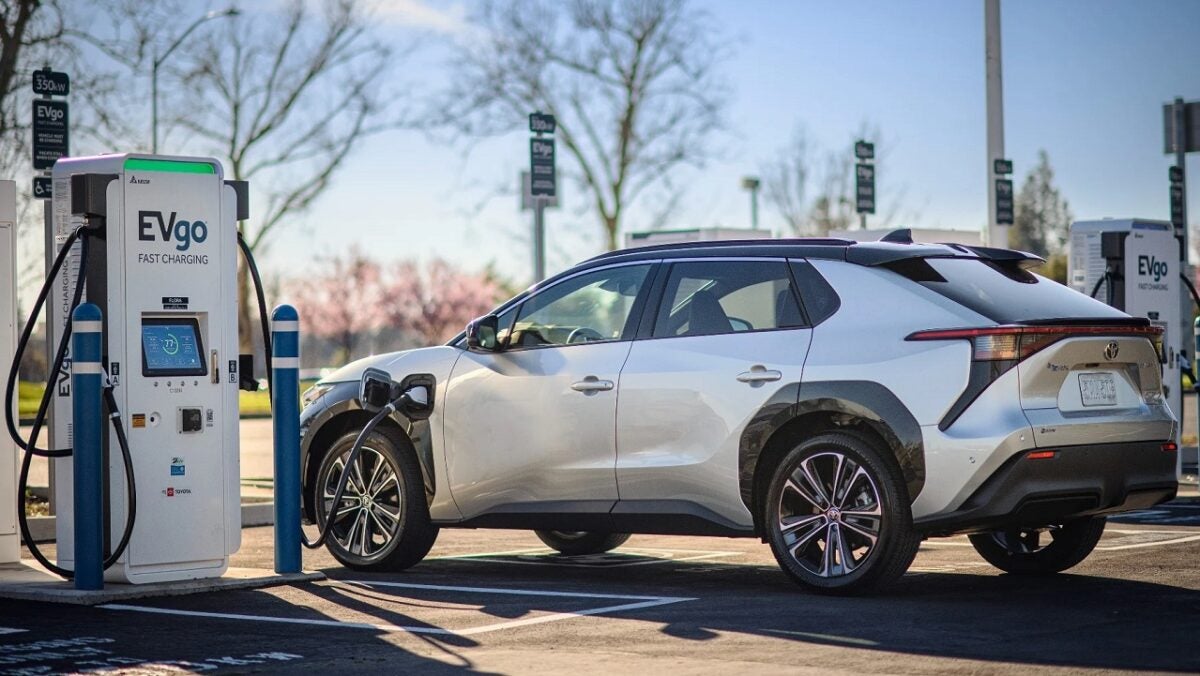
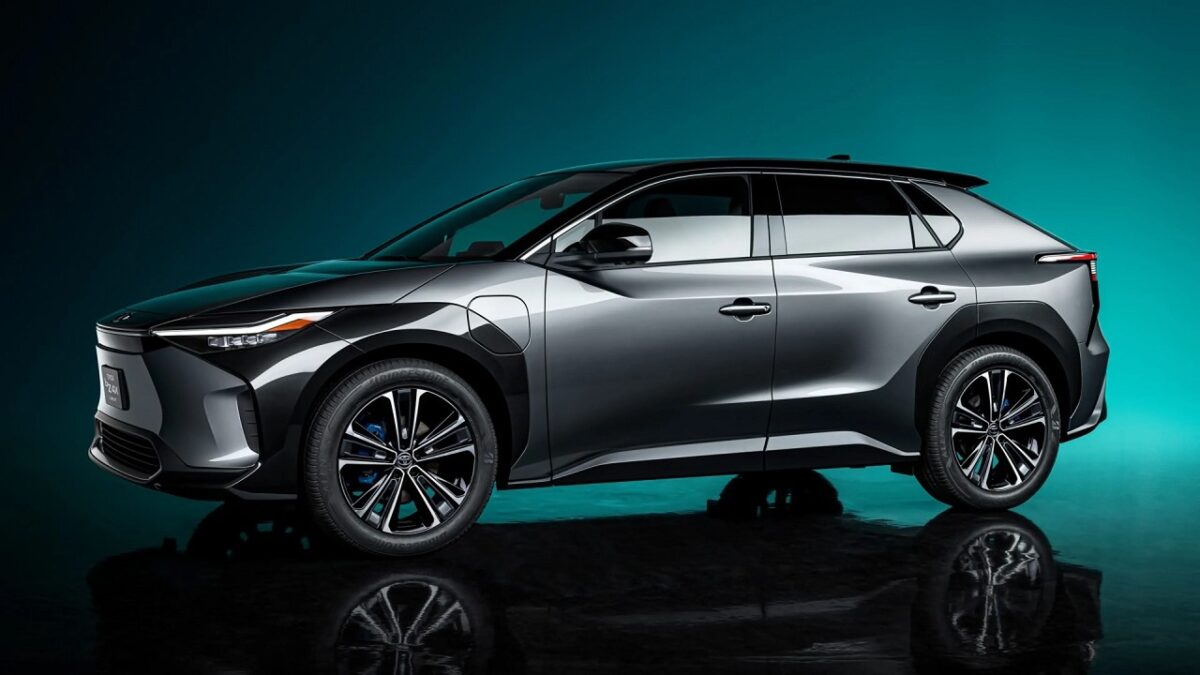
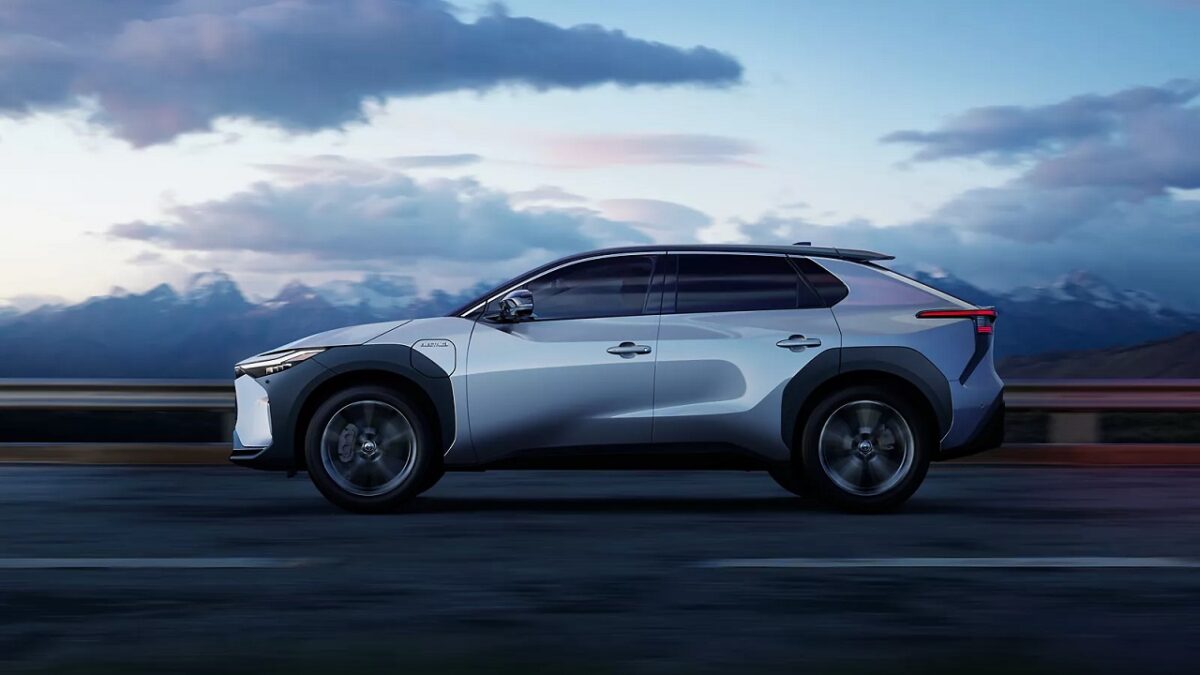
Despite these challenges, there are glimmers of hope for Toyota, particularly with its bZ4X model. It recently emerged as the top-selling EV in Norway in January, indicating a steady rise in global EV sales.
Following a record year in 2024 and ongoing double-digit growth in early 2025, the potential for recovery remains robust. Yet, as Toyota’s delays linger, industry analysts note the risk of losing ground to rivals—highlighting the importance of maintaining momentum in the competitive landscape.