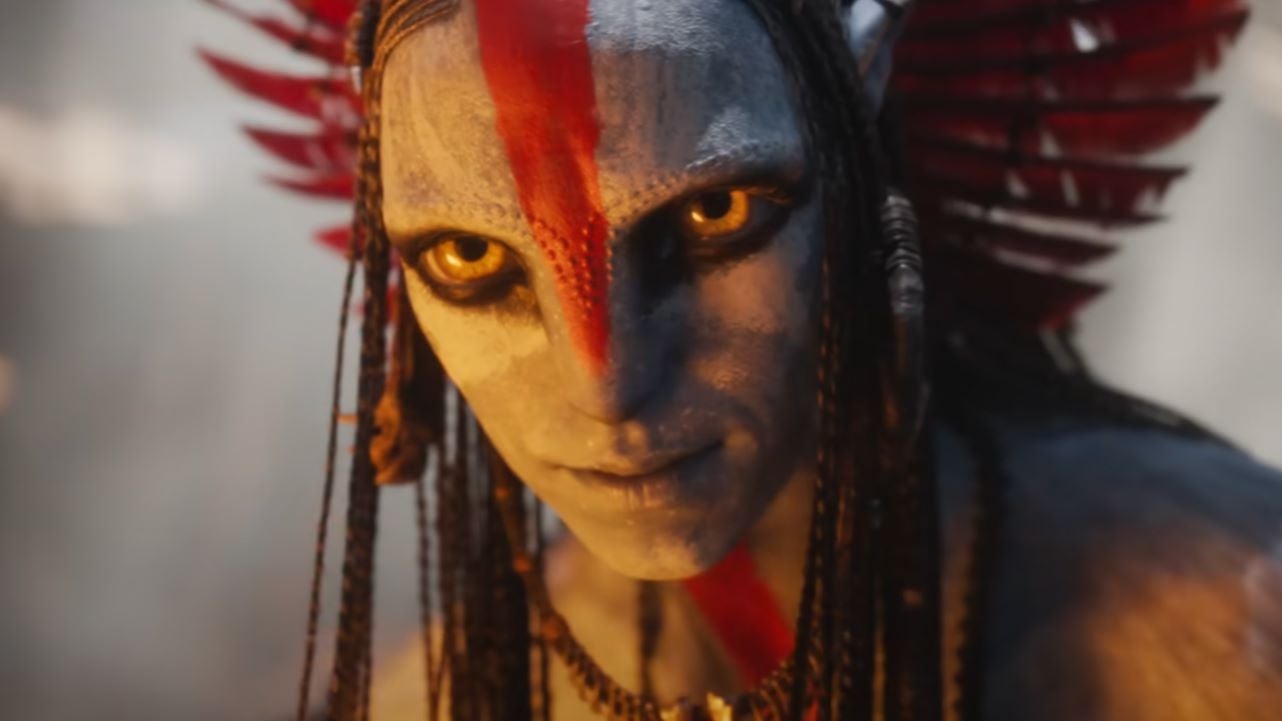
Hideo Kojima, renowned video game creator and director of iconic franchises like Metal Gear Solid, has expressed his admiration for James Cameron’s latest film, Avatar: Fire and Ash. In his most recent post on the Twitter platform, Kojima praises Cameron’s attention to detail and highlights the visual experience the film offers in IMAX 3D format, describing it as a true “digital spectacle”.
Kojima, in love with Avatar: Fire and Ash
The Japanese director did not limit himself to commenting on Cameron’s work, as he also took the opportunity to defend the value of video games as a narrative medium, especially after his recent loss in the best direction category at the Game Awards. Kojima, who has been a pioneer in storytelling within video games, points out that digital creation is often undervalued compared to other forms of audiovisual art, a topic that has gained relevance in the contemporary narrative context.
Additionally, Kojima shared that the influence of Avatar: Fire and Ash has allowed him to regain the “pride” and “courage” necessary to continue creating new works in the digital world. His enthusiasm for the film reflects a renewed perspective that could influence his future projects in the field of video games.
Despite the fact that the film has been the subject of criticism for its narrative weaknesses, Cameron’s visual and technical vision has been enough to captivate Kojima, who has always valued aesthetic presentation in his own works. Thus, the interrelation between cinema and video games remains a hot topic, where creatives like Kojima seek synergies that enrich their respective mediums.