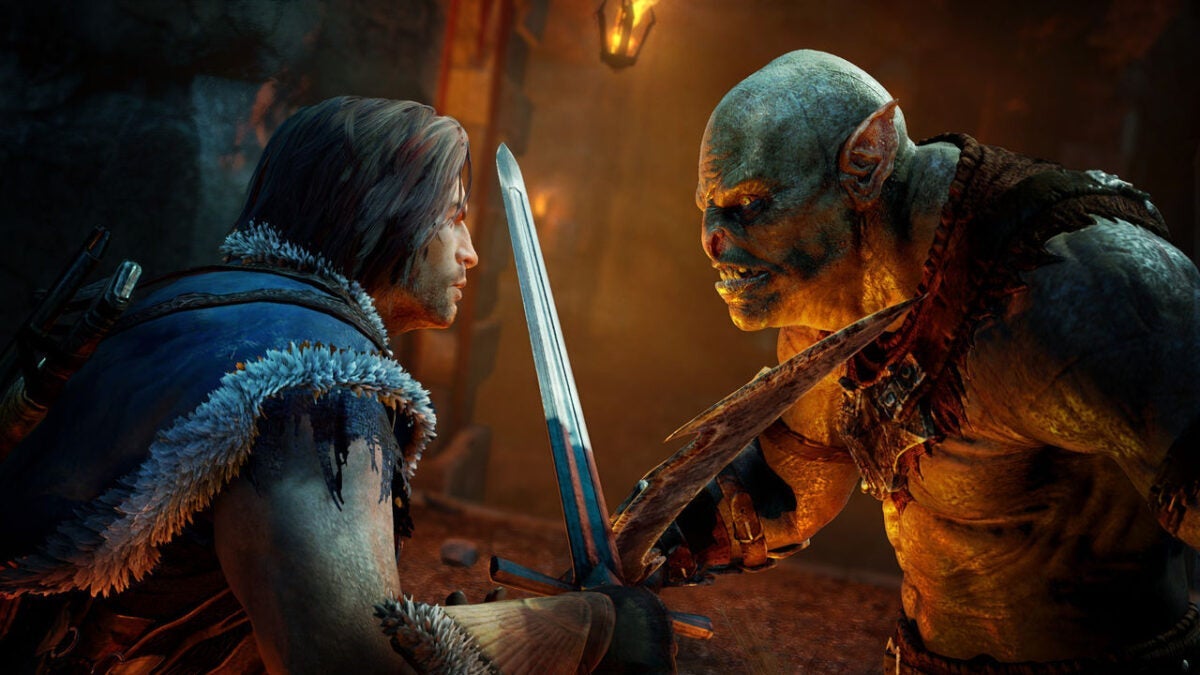
Activision-Blizzard and other studios have experienced potential revenue losses due to the sale of second-hand games, which has led to a shift in development strategy within the industry. A notable example is the case of Monolith, which, in response to these economic difficulties, innovated in its game design by creating the nemesis system in Middle-earth: Shadow of Mordor. This feature was introduced to encourage greater player engagement, making them feel that their actions had a lasting impact on the game world.
A system created to keep players engaged
Laura Fryer, former vice president of WB Games, explained that the need to keep players engaged led to this innovation. During the creation of Shadow of Mordor, the studio had started working on a video game based on Batman, but had to change direction after Christopher Nolan’s refusal of the project. Despite this transition, Monolith took a step forward, developing a system that aimed to prevent players from selling their copies, convincing users that each game would be unique and memorable.
In an environment where physical video game sales have lost relevance due to digital trends, WB Games has implemented tactics such as exclusive downloadable content. This approach aims to keep players engaged, encouraging them to stick with their purchases and thus minimizing the possibility of resale. However, the landscape remains volatile, evidenced by the recent cancellation of a Wonder Woman game and the closure of Monolith, reflecting the challenges faced by the industry, even for the most successful studios.