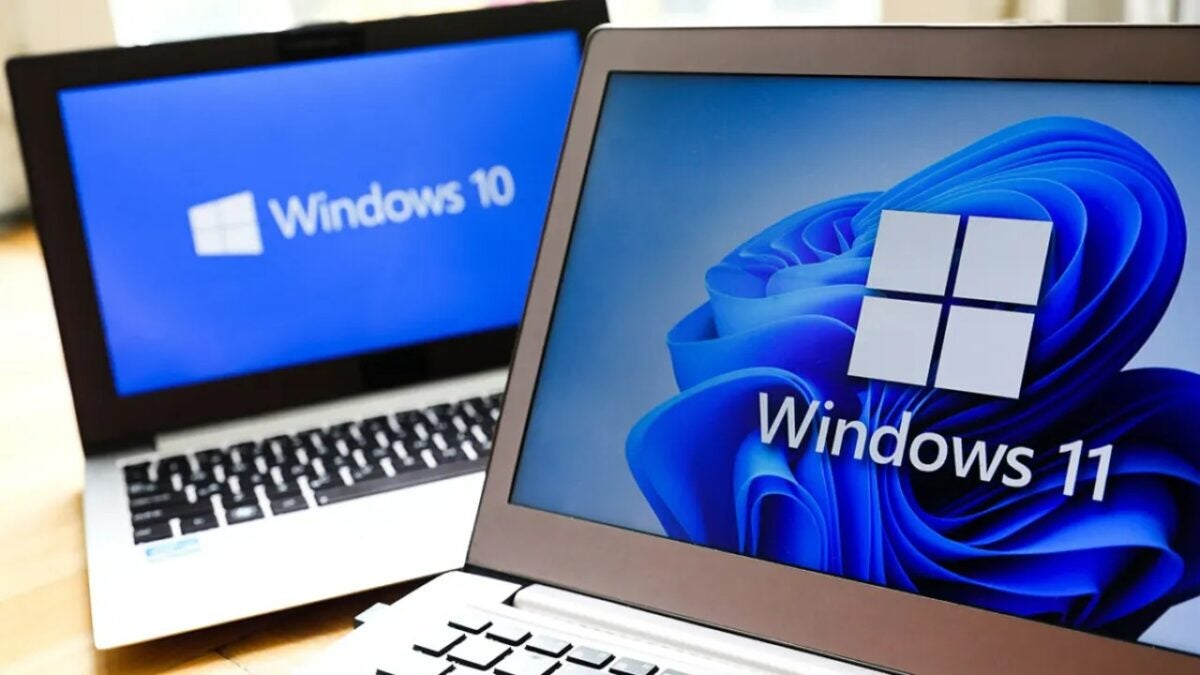
Microsoft is desperate. Recently, the company has implemented various tactics to persuade users to migrate from Windows 10 to Windows 11, their latest operating system. Among the most recent tactics, Microsoft has updated its official support page to highlight the disadvantages of sticking with Windows 10 compared to the advantages of Windows 11.

Microsoft’s new strategy is not trivial, as the reception of Windows 11 has not been as expected by the company since its launch in October 2021. Despite Microsoft’s high expectations, many users still prefer Windows 10 and resist the change: current statistics show a Windows 11 adoption rate of only 26% five years after its launch, compared to 85% for Windows 10.
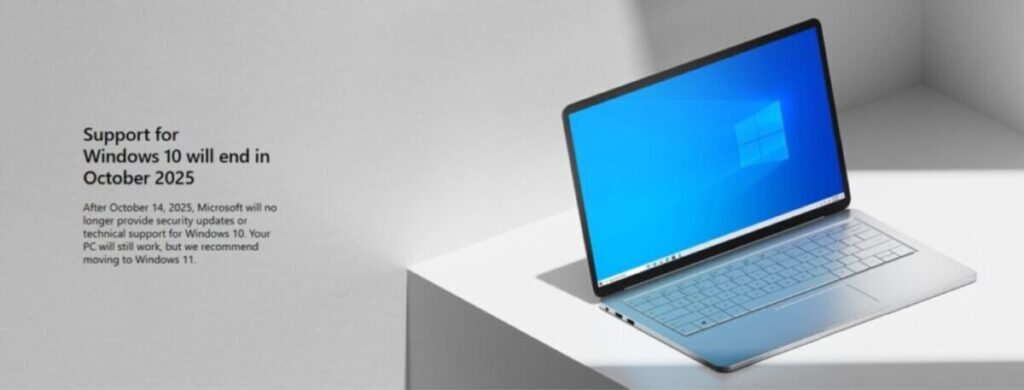
Now, Microsoft emphasizes that support for Windows 10 will end in October 2025, after which no security updates or technical support will be provided, leaving the system vulnerable to malware and other threats. This company’s strategy aims to raise awareness among users about the risks of continuing to use Windows 10.
In addition, Microsoft highlights the advantages of Windows 11 in areas such as data backup and restoration. However, personal user preferences are not addressed, such as familiarity with the Windows 10 interface or the inclusion of advertising in the Start menu.
For those who prefer not to upgrade to Windows 11, Microsoft offers the “Extended Security Updates” (ESU) program, which extends security updates for Windows 10, although at a significant cost. The price for businesses is 61 dollars per device for the first year after the end of support, increasing to 122 dollars the second year and 244 dollars the third year; figures that represent a considerable financial burden for companies with many devices.
Currently, the prices for the ESU program for personal accounts have not been detailed, but it is estimated that they can continue using Windows 10 until the end of 2028 if they accept these additional costs.
