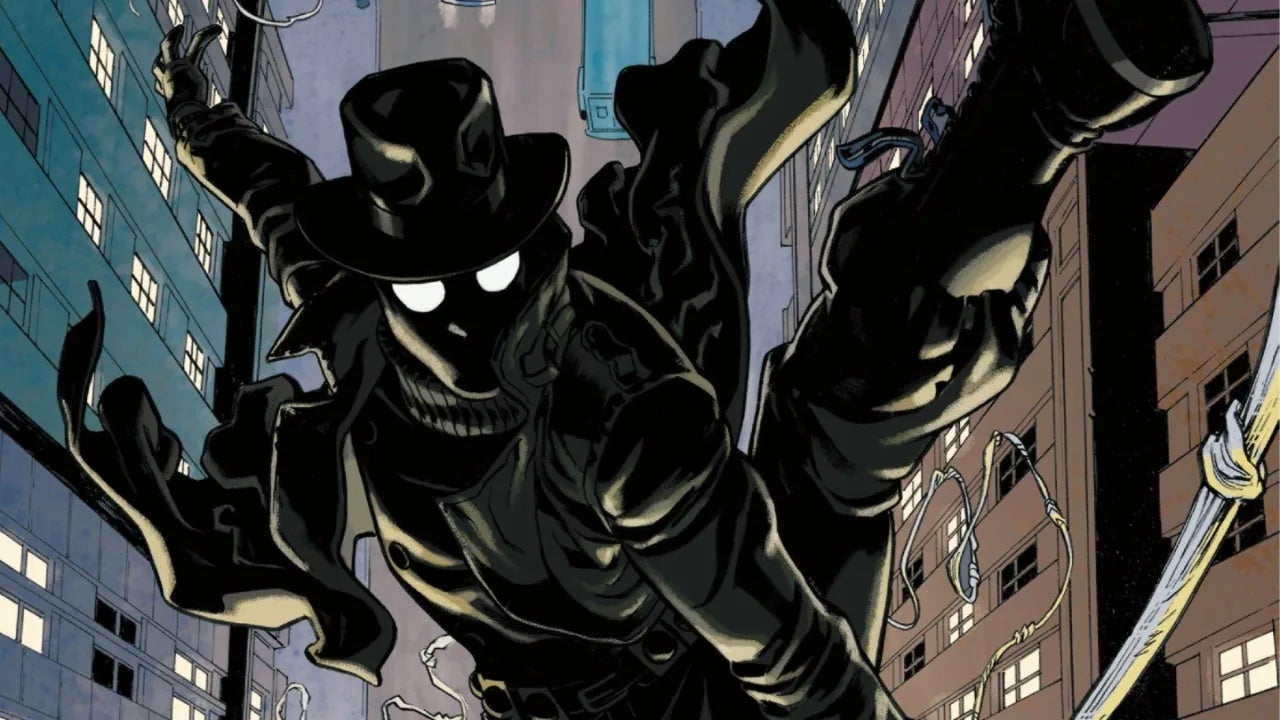
There was a time, somewhat forgotten now, when Marvel, instead of relying on the nostalgia of its most well-known works, decided (oh, sin) to innovate. To show different universes, new characters and groups, and even to question everything we knew about superheroes of the time. This is how in the year 2000 the Ultimate Universe began, a new version of the classic heroes that gave birth to Miles Morales, or the Spider-verse. And, in its eagerness to explore (and, why not say it, exploit) the possibilities of the moment, someone decided to give film noir a chance: this is how the Noir Universe was born… which, in some way, continues to this day!
I see everything in black and white
Spider-Noir, who now has a fantastic series of his own on Amazon Prime Video but became famous thanks to Spider-Man: Into the Spider-Verse and its sequel, originated in the comics long before anyone thought of Nicolas Cage to voice him (or, in fact, before he even left the comic book panel). It all started when, in 2006, Fabrice Sapolsky, editor of the comic magazine Comic Box, gave David Hine the idea for a pulp version of Spider-Man set in the 1930s. He liked it so much that Marvel decided not only to create that Spider-Man Noir but also a complete line set in that universe.
It was announced that, initially, the Noir Universe would consist of four miniseries: Spider-Man Noir, X-Men Noir, Daredevil Noir, and Wolverine Noir, which were published throughout 2009. And, although many people believe that only Spidey existed with that tone, the truth is that it was such a success that they later launched Luke Cage Noir, Punisher Noir, Weapon X Noir, and Iron Man Noir, in addition to new collections of Spider-Man and X-Men. The novelty faded, and in 2010 they brought this world to an end, but somehow, Spider-noir managed to escape the abyss of oblivion.
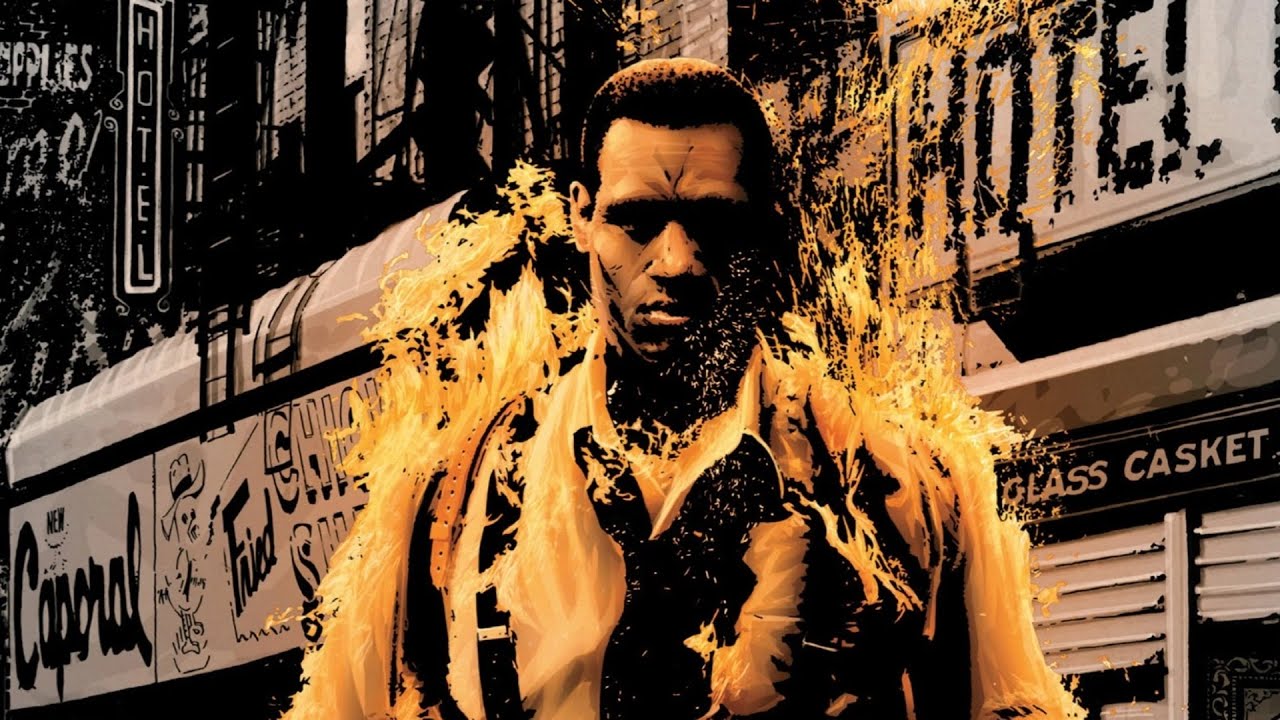
Honestly, although many of them are just simple comic book nonsense, many of these comics still work wonderfully, like Luke Cage Noir and Daredevil Noir. The universe still exists, it’s Earth-90214, so you never know if after the success of Spider-Noir they will decide to revive someone else other than the Peter Parker from 1932. If you’re curious, indeed, this Peter Parker has the same powers as the one we all know, only he can shoot organic webs without the need for inventions. Also, he works at the Daily Bugle, yes, but he also works as a private investigator. We wouldn’t expect less from someone in a film noir universe, of course. Plus, he uses .45 caliber guns, because of course, what kind of superhero from the 30s would he be without shooting anyone?
Sadly, Marvel no longer dares to undertake this type of project, fully immersed in the whirlwind of audiovisual success. The most we have are resurrections of past universes (like the fantastic Ultimate Universe) or tons of nostalgia, with the occasional breath of fresh air. The inventions could be a failure, but sometimes they have lasted for decades inspiring thousands of writers and artists, like the 2099 universe with Miguel O’Hara, the world of Spider-Gwen, or the land of House of M. Perhaps, in fact, their sales might eventually rise in some way.
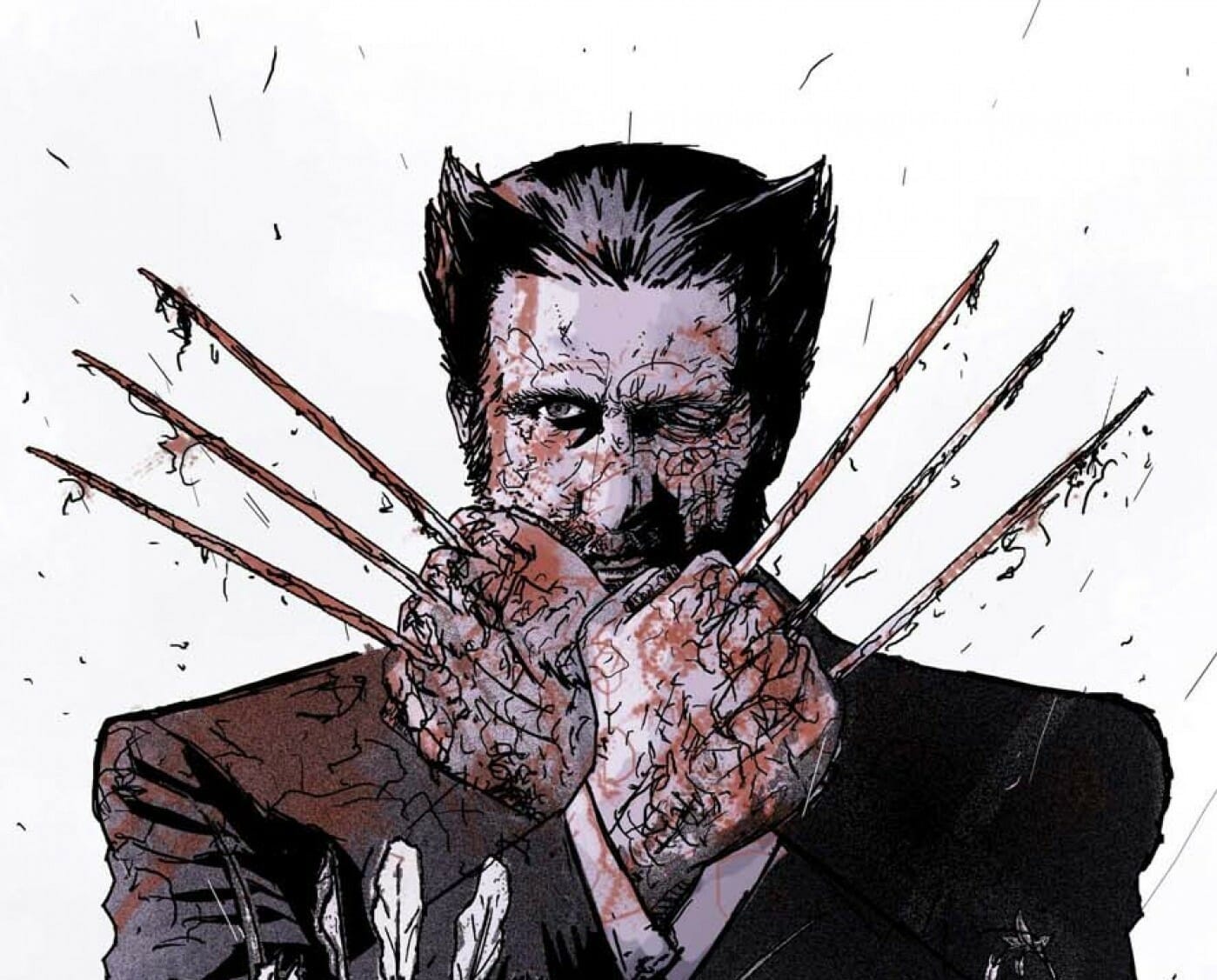
Marvel Noir may not have been a bestseller, but at least it showed that the House of Ideas still had them and was not content to simply float along. When the MCU ends, who knows? Perhaps it will be time for comics to have imagination again, after all.
