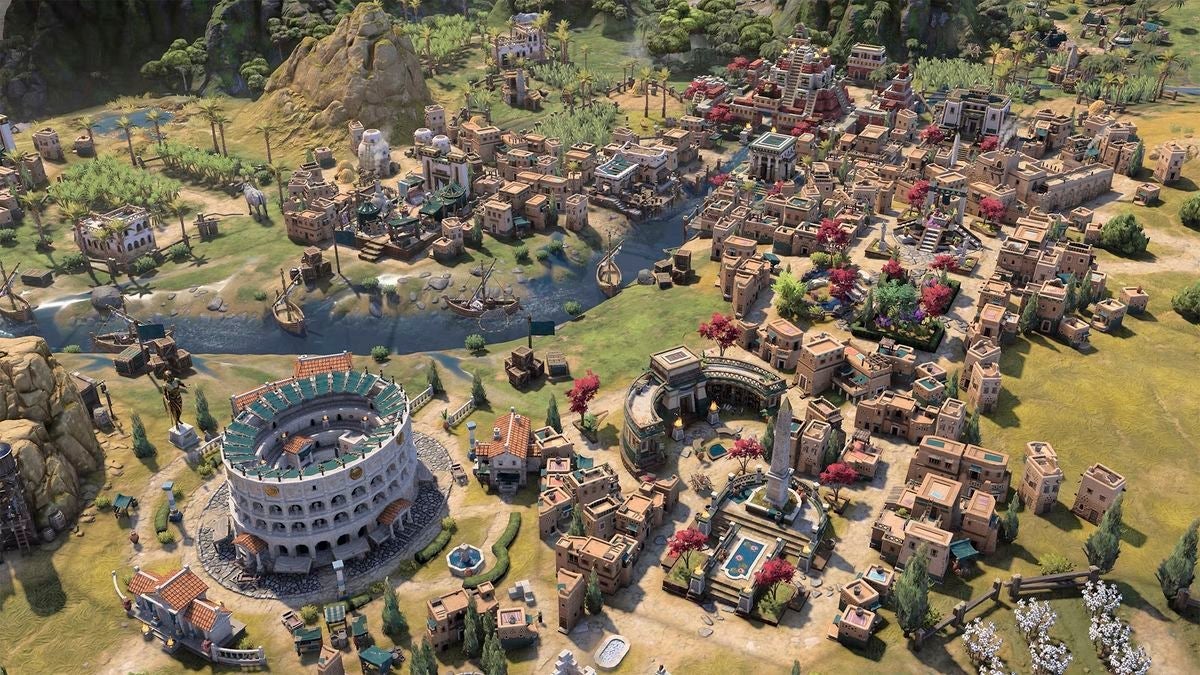
The anticipated Civilization 7 brings with it a series of significant changes in the way players manage their civilizations, highlighting the introduction of villages, an innovative system that allows players to expand beyond the capital city. Unlike previous installments, where all settlements were cities, it is now possible to have only one city, with villages serving as centers of growth and specialization.
An Unprecedented Emphasis on Cities
The towns are fundamental in this new mechanic, as their growth is based on the accumulation of food, unlike the culture system in Civilization 6. Each time enough food is accumulated in a city or town, a new citizen is created who can add a new specialization to the locality. This allows for a more diversified and adaptable strategy throughout the game.
Buildings in cities are constructed through a production queue, while in towns they must be purchased with gold, which affects resource management and economic planning. Additionally, the placement of buildings in settlements influences their production and bonuses, adding a layer of spatial strategy to the game.
Rural resources also play a crucial role, as each reclaimed land provides bonuses to the civilization. Resources are classified into empire resources, city resources, and bonus resources, allowing for a richer management of the benefits they provide. However, one of the most notable features is the vulnerability of villages: their easy capture in conflict situations makes them strategic assets that frequently change hands.
Civilization 7 paves the way for a more dynamic and strategic experience, although it is not without controversy. Some players will miss the complexity of previous systems, but the new mechanics provide a fresh and accessible approach to the classic gameplay of the series.