Electric vehicle (EV) sales in Europe are experiencing a remarkable surge, with growth of 23.9% in the first quarter of 2025, capturing 15.2% of the market share across the European Union.
This growth is particularly pronounced in key markets such as Germany, which saw an impressive 38.9% increase, followed by Belgium at 29.9% and the Netherlands at 7.9%.
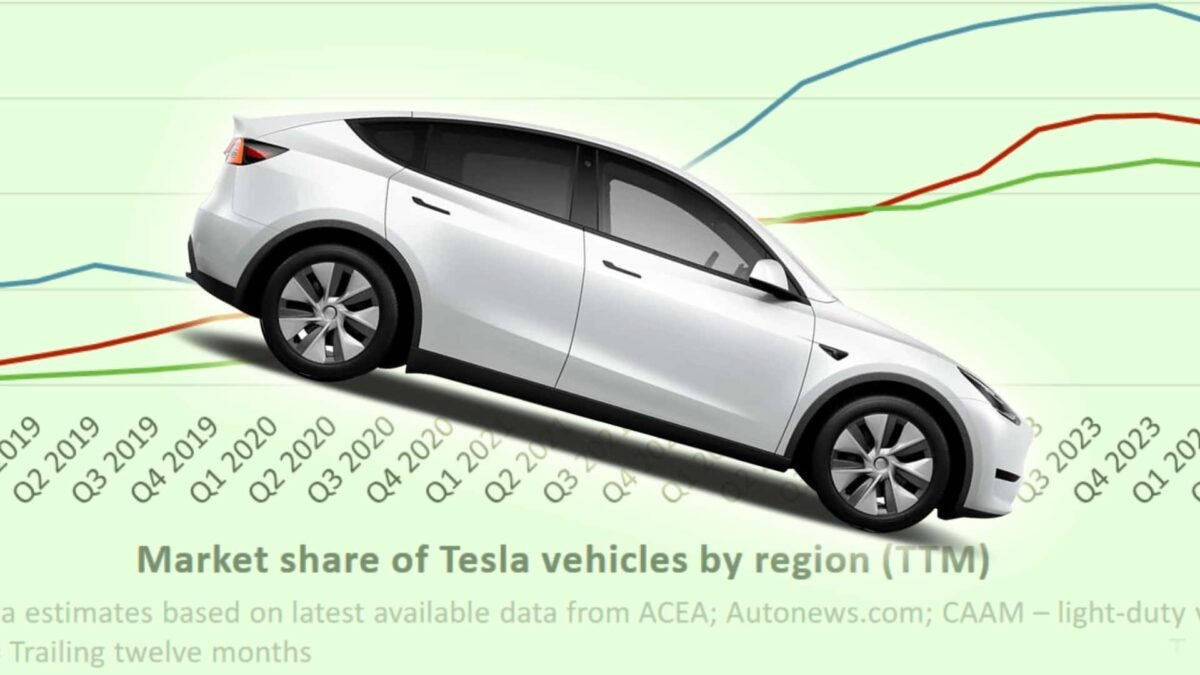
However, amid this overall upswing, Tesla, the largest EV manufacturer, is facing significant challenges, reporting a staggering 37% decline in sales during the same period.
Tesla’s Struggles: 37% Sales Drop Amid Boom in European EV Market
Despite the thriving electric vehicle market, Tesla’s struggles raise concerns about demand dynamics. While some analysts attribute the sales drop to the switch in production for the Model Y, evidence suggests that issues extend beyond temporary supply disruptions.
Sales data reveals a worrying trend, with Tesla experiencing a 28% decline in March alone, suggesting a deeper, systemic problem affecting consumer interest.
To combat this decline, Tesla has rolled out promotional initiatives in Europe, including a year of free Supercharging and 0% financing for the new Model Y. Yet, these efforts have not sufficiently reversed the downward trajectory.
Tesla’s predicament is particularly alarming given that, without significant changes in consumer demand, it could face a future where annual sales in Europe dip below 200,000 vehicles as early as next year.
The European Automobile Manufacturers’ Association (ACEA) has underscored the importance of this situation, indicating that Tesla’s declining performance stands in stark contrast to the market’s overall growth. If this trend continues, the company might find itself increasingly marginalized in one of the world’s most vital EV markets, prompting questions about its strategy and future in the region.