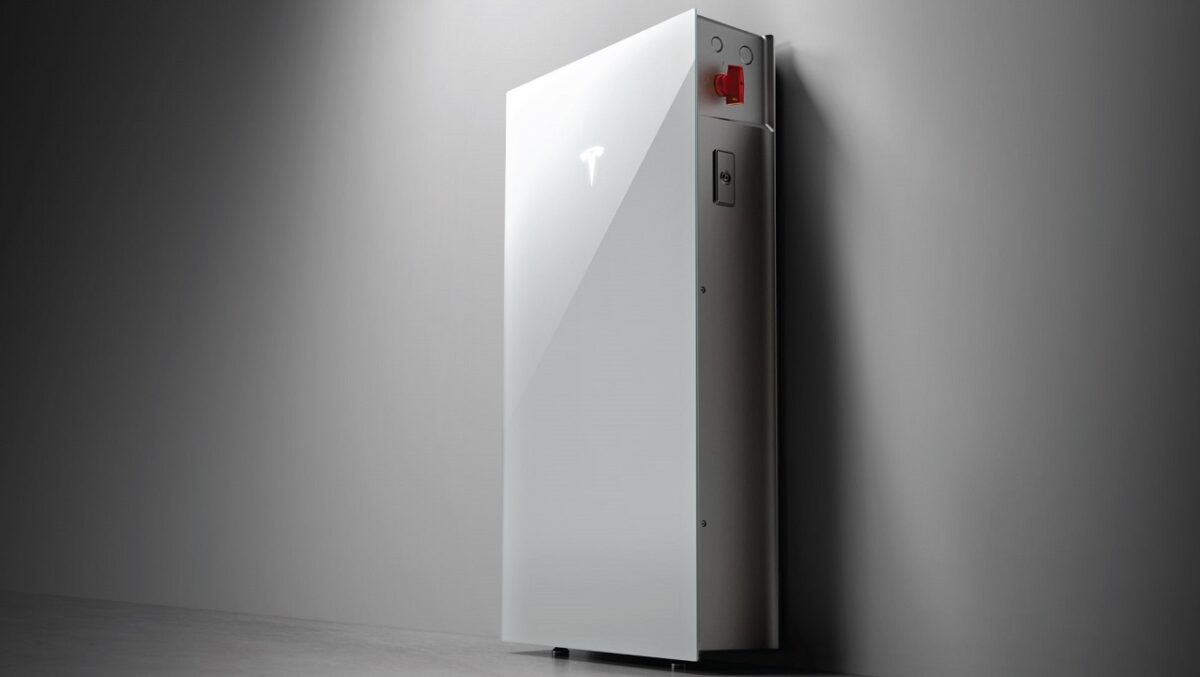
Tesla has reached an impressive milestone with the announcement that it has produced its one millionth Powerwall, solidifying its position as a leader in home energy storage systems.
The Powerwall has become the most popular residential battery pack, particularly in North America, where it has been paired with the growing adoption of rooftop solar installations.
The company initially launched the Powerwall in 2016 and has ramped up production significantly in response to increasing demand.
Future of Tesla’s Powerwall Program Uncertain Amid Tariff and Supply Chain Challenges
Despite the celebratory announcement, there are some discrepancies regarding Tesla’s production numbers that raise questions among observers. In June 2023, Tesla reported having installed 500,000 Powerwalls and more recently claimed it could produce up to 700,000 units annually.
However, in a puzzling turn of events, the company celebrated a daily production record of 1,000 Powerwalls—a figure that seems inconsistent with its previously stated annual production capacity.
The rapid growth from 500,000 to one million Powerwalls in just two years has led many to scrutinize Tesla’s production capabilities. The discrepancy suggests that achieving the scalability Tesla has touted may not be as straightforward as the company implies.
Can Tesla truly sustain production at the high levels it has announced? Observers remain skeptical, especially considering potential factors like the tariff situation affecting imported battery cells from China that the Powerwall relies upon.
The introduction of the Powerwall 3, which includes a best-selling solar inverter, has bolstered Tesla’s offerings in the home energy market. Yet, while the achievement is notable, trust in Tesla’s consistency and transparency is waning. As the context evolves around tariffs and international supply chains, the future of the Powerwall program—and Tesla’s claims around it—may hinge on these complex dynamics in the coming months and years.