Nintendo has a problem with most of their works: they rarely make the effort to do what is fair and necessary. Not when it comes to something other than a new video game. That’s why many times, their ports, remasters, and remakes can end up leaving much to be desired. Even if it’s not always the case and it’s one of the big three that makes the most active efforts to keep their legacy relatively fresh, that doesn’t mean they do it too well. As they have shown this week.
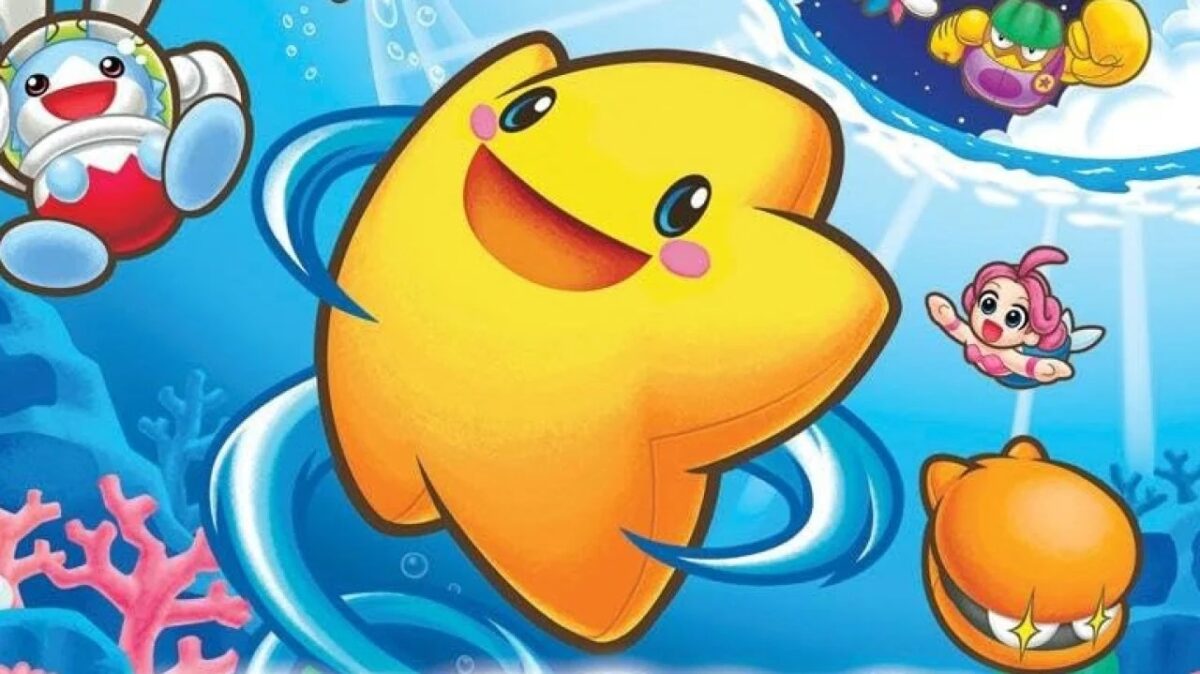
This week, three new Game Boy Advance games have arrived on Nintendo Switch Online, only for Expansion Pack members. The most interesting thing is that these three games belong to the same franchise, forming a trilogy that had never seen the light outside of Japan: Densetsu no Starfy, Densetsu no Starfy 2, and Densetsu no Starfy 3.
Although in the West we got to see the fourth and final game in the series, The Legendary Starfy, we had never seen the original three games officially. The only way to play them was through Japanese import copies and anyone who wanted to understand the story or what the characters say in general, relied on an excellent translation of the first game made by Megahog2015. And we fear that anyone who wants to understand what happens with the adorable Starfy, prince of the stars, will still have to rely on this fan translation.
Although they have been released on the service, Nintendo has not translated the games. In perfect Japanese, they are playable, but the story and all playable indications are lost. Something that may not seem too tragic for a platformer, but we would be mistaken. The story and dialogues of, at least, the first Densetsu no Starfy are hilarious and help a lot when it comes to advancing in the game, making it lose a great part of the experience not being able to experience them.
Being able to legally play the original trilogy of The Legendary Starfy is a blessing, but the way to do it is not the best. Although they are indeed games with a lot of text, they are not games with so much text that the translation would be a problem for Nintendo, and releasing them in this way conveys laziness and lack of enthusiasm. Something you don’t want to convey when working with your legacy. Not even when you are Nintendo and you are the best at it among your competition.