On June 30, Google Play will start letting developers in the US, the UK, and the European Economic Area offer other ways to pay for digital goods in Android apps. Google is also changing how its fees work.
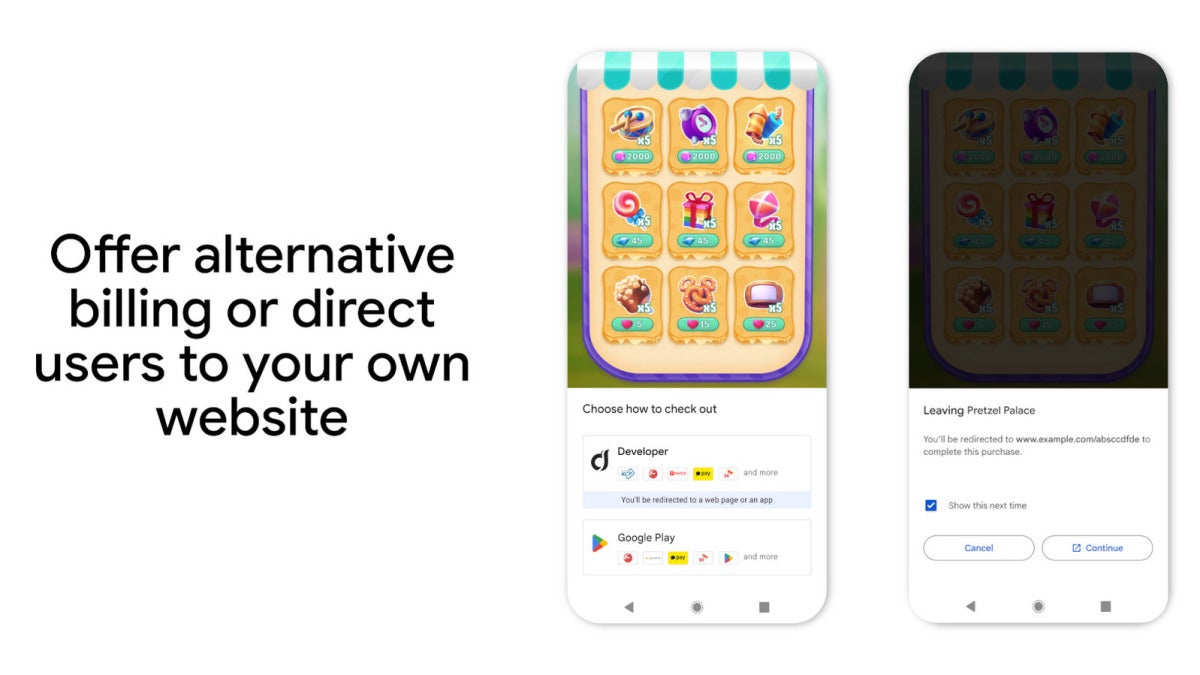
For anyone selling digital goods through an Android app, that means Google Play checkout won’t be the only option anymore. Developers will also be allowed to send users to their own websites to complete a purchase, which gives them more room to set prices, run promotions, and manage the customer relationship themselves.
The fee model is shifting too.
Google says developers will pay a 10% service fee on the first $1 million they make in annual revenue. Once they pass that mark, the rate will usually move to 20% for new installs and 25% for existing installs.
The separate 5% billing fee will apply only when developers keep using Google Play billing. Smaller developers should feel that change more clearly, while larger companies may not save as much if they still want Google’s billing tools because they trust them more or think they convert better.
If you run subscriptions, games, or any other digital business on Google Play, this is something you’ll want to watch closely.
The move comes after years of pressure from developers, the Epic Games antitrust fight, and regulators such as those behind the EU’s Digital Markets Act, even if most users probably won’t notice much right away.
Google says the rollout begins on Google Play for Android apps in the US, the UK, and the EEA.
After that, it reaches Australia on September 30, 2026. Japan and South Korea follow by the end of 2026, with a broader expansion planned for September 2027.