Skip to content

Softonic English

Just another Softonic Sites site

Author: Juan Carlos Saloz

{ "de-DE": "", "en-US": "Cultural journalist specialized in film, series, comics, video games, and everything your parents tried to keep you away from during your childhood. Also an aspiring film director, screenwriter, and professional troublemaker.", "es-ES": "Periodista cultural especializado en cine, series, cómics, videojuegos y todo lo que tus padres intentaban que evitaras en tu infancia. También director de cine en ciernes, guionista y liante profesional.", "fr-FR": "Journaliste culturel spécialisé en cinéma, séries, bandes dessinées, jeux vidéo et tout ce que tes parents essayaient de te faire éviter dans ton enfance. Également réalisateur de cinéma en devenir, scénariste et fauteur de troubles professionnel.", "it-IT": "", "ja-JP": "", "nl-NL": "", "pl-PL": "", "pt-BR": "", "social": { "email": "", "facebook": "", "twitter": "", "linkedin": "" } }

The best-written series of recent years premieres its second season

The golden age of series has already passed. Although there are still great fictions that we can constantly watch on streaming, the era of Breaking Bad, Game of Thrones, or House of Cards has given way to a darker one in which, despite there being more options than ever, the best series get lost among many others that lack consistency. But, from time to time, a series premieres that manages to meet the circumstances. Or even exceeds what anyone would expect. This year it happened with Adolescencia and last year […]

The best-written series of recent years premieres its second season

The golden age of series has already passed. Although there are still great fictions that we can constantly watch on streaming, the era of Breaking Bad, Game of Thrones, or House of Cards has given way to a darker one where, despite having more options than ever, the best series get lost among many others that lack consistency.

But, every now and then, a series premieres that manages to meet the circumstances. Or even surpasses what anyone would expect. This year it happened with Adolescencia and last year with My Plush Reindeer. But in 2023, it happened with a somewhat lesser-known bet that everyone mentioned as a diamond to keep an eye on: Poker Face.

Rian Johnson, unleashed

With the premiere of the second season of Poker Face, we take the opportunity to remind you why you should watch this gem as soon as possible, which, although it went somewhat unnoticed at the time, has captivated everyone who has seen it. And yes, a big part of the credit goes to Natasha Lyonne, its star, who we also know from Russian Doll or Orange is the New Black. But the success of Poker Face goes beyond that.

Broadly speaking, Poker Face might seem like an “old-fashioned” series. It is a nostalgic homage to the procedurals of the 70s, which recaptures the classic structure of the “mystery of the week.” In the style of Columbo, the series tells the story of a protagonist who arrives in a new city, encounters a crime, and solves it thanks to her unmatched intuition.

But what really sets it apart from the rest is its narrative approach: each episode is told from the perspective of the killer before Charlie Cale (Natasha Lyonne) enters the scene. This inversion of the formula allows it to play with tension, comedy, and, above all, with the main character.

Rian Johnson, whom we know well thanks to the Knives Out saga and for being the director of Episode VIII of Star Wars (hated by many, loved by more), is the biggest culprit behind this success. Showrunner and writer and director of several episodes, he demonstrates in Poker Face his greatest virtue: he is an incredible screenwriter.

Johnson’s writing is nimble, playful, and loaded with subtext. Far from betting on a grand overarching plot, each episode functions as a small gem of its own; almost like another movie from Knives Out. And, although it does not neglect a coherent emotional evolution of its protagonist, each chapter works independently, making it a perfect series to watch occasionally without the need for long hours of binge-watching.

The Magic of Natasha Lyonne

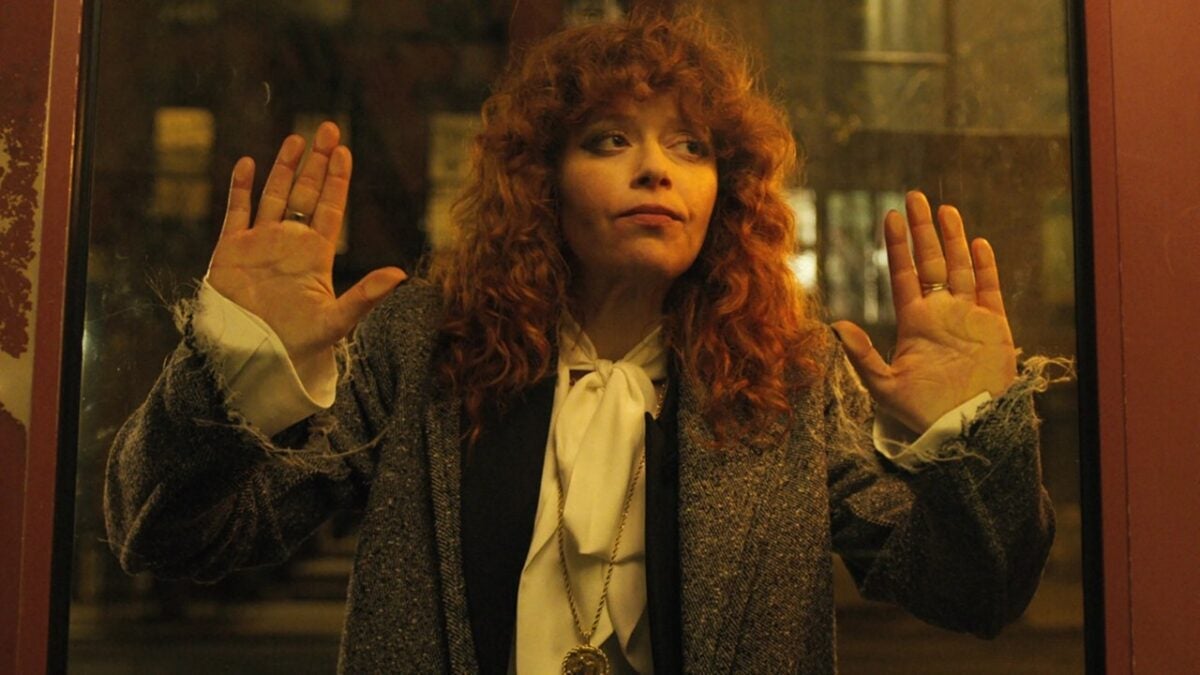
But, of course, none of this would work without Natasha Lyonne. Her Charlie Cale is an atypical character: a fugitive with the soul of a vigilante, soaked in irony, emotion, and cigarettes. She smokes like a trooper, to be honest. The actress globally known for Russian Doll builds here a kind of mix between the character from the Netflix series and a detective in the style of Sherlock Holmes. She is as wonderful as she is addictive.

Moreover, she is an anti-heroine who, while she has superpowers (or, well, something like that), is not only defined by that. What happens inside her is much more important than what the crime itself really is. And the way she connects her internal traumas with each of the cases is wonderful.
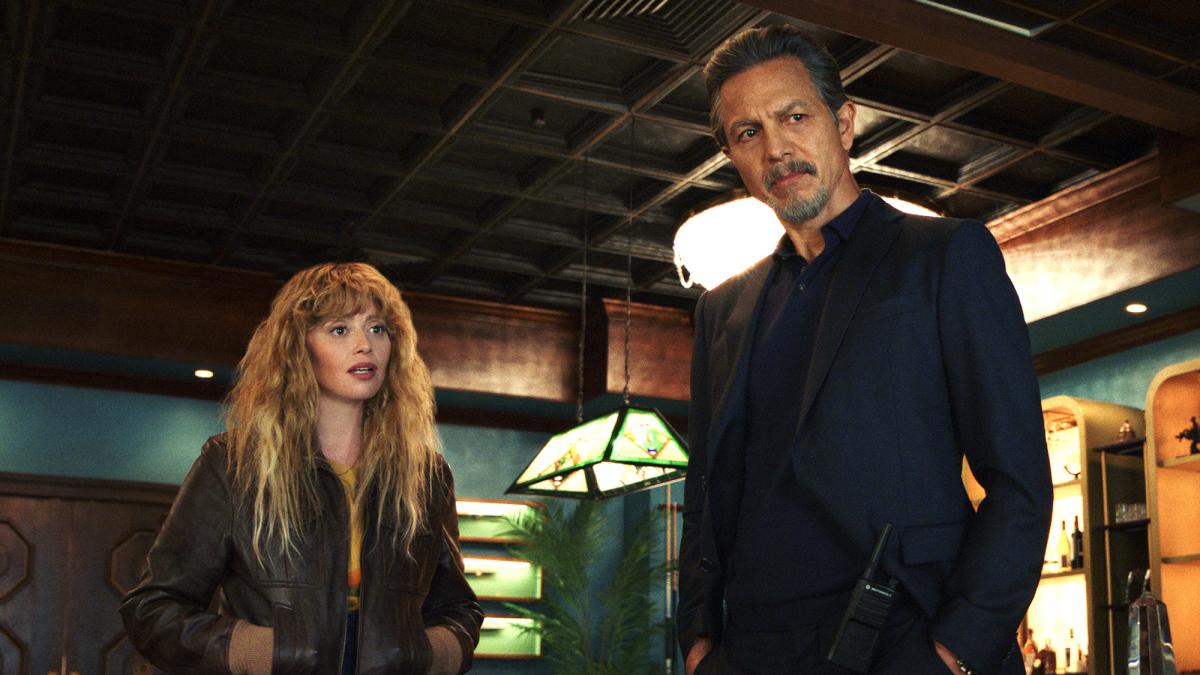
As if that weren’t enough, Johnson takes the liberty of changing tone, genre, and aesthetics with almost every episode. From black humor to drama or horror cinema, anything goes here. It truly feels like an amusement park for Johnson and Lyonne to bring out the best in themselves on each occasion. It is, almost, an anthology of wonders in the style of Black Mirror.

With the arrival of the second season, the team of the original series has the not insignificant challenge of matching what they have already done. And, while it is complicated, the truth is that they have all the ingredients to continue making Poker Face one of the series of the decade.
Author Juan Carlos SalozPosted on May 8, 2025July 1, 2025Categories News

5 myths and urban legends about animes that ruined our childhoods

Anime fans are bulletproof. We are used to changes in studios between seasons that completely ruin our favorite series. Also to sudden cancellations that are heavier than those from Netflix. And, of course, to the fateful filler in fictions like Naruto, which completely destroy our experience as viewers. But there is something much darker that has haunted us since our earliest childhood: rumors and urban legends. Since we were in the schoolyard, we repeated over and over stories that were told to us about tragic endings and crazy plot twists from series like […]

5 myths and urban legends about animes that ruined our childhoods

Anime fans live bulletproof. We are used to studio changes between seasons that completely ruin our favorite series. Also to sudden cancellations that are heavier than those from Netflix. And, of course, to the fateful filler in fictions like Naruto, which completely destroy our experience as viewers.

But there is something much darker that has haunted us since our earliest childhood: hoaxes and urban legends. Since we were in the schoolyard, we repeated over and over stories that were told to us about tragic endings and crazy plot twists from series like Doraemon or Dragon Ball. And these are the 5 most tragic that we have remembered:

1. Oliver and Benji: the dream of a child without legs

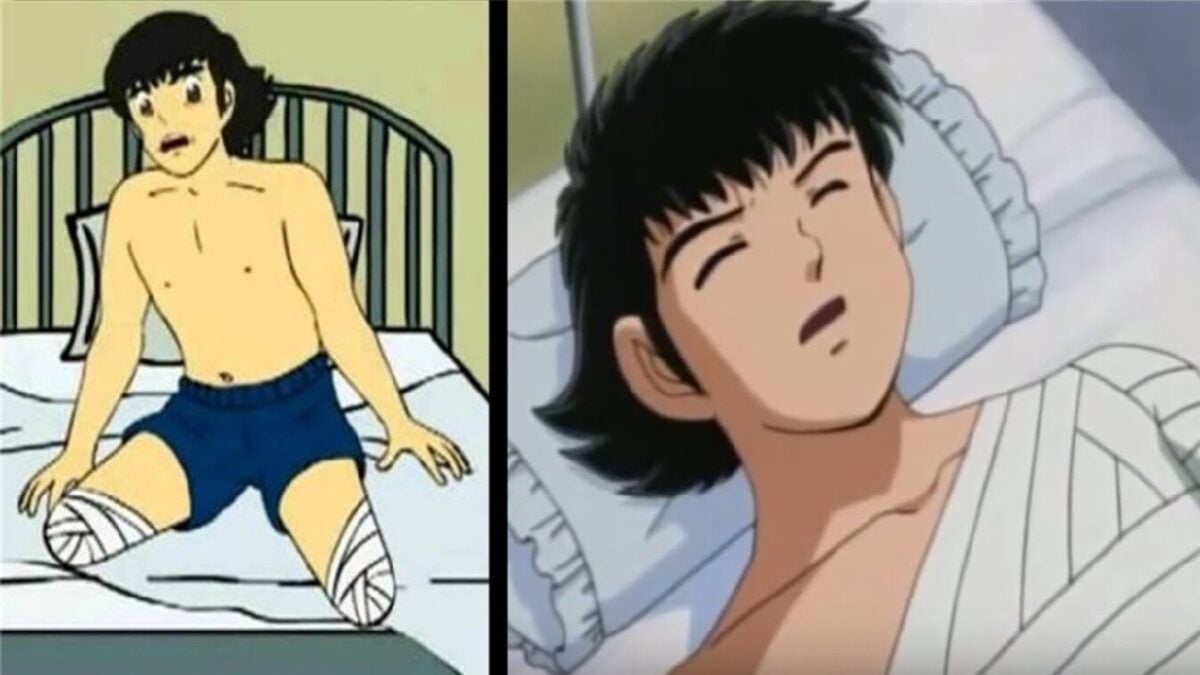
One of the most well-known urban legends states that Oliver Atom, the protagonist of Captain Tsubasa (Oliver and Benji or Champions), was hit by a truck in the first chapter, losing both legs. According to this theory, the entire series would be a dream that Oliver had while he was in a coma in the hospital. This story became popular on the internet through the very first chapter, in which we see a truck crossing his path. But it is completely a hoax; and in fact, there are continuations of Oliver’s story as he grows up and lives very happily playing for FC Barcelona.

2. Doraemon: the fantasy of a child with a terminal illness

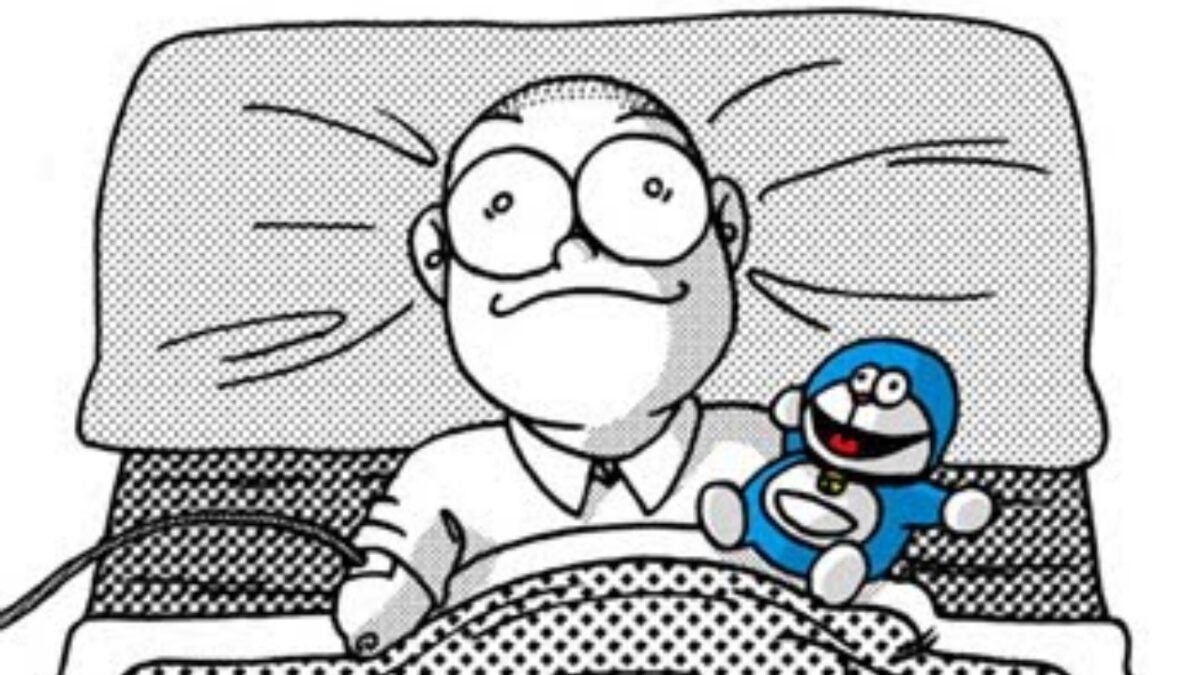
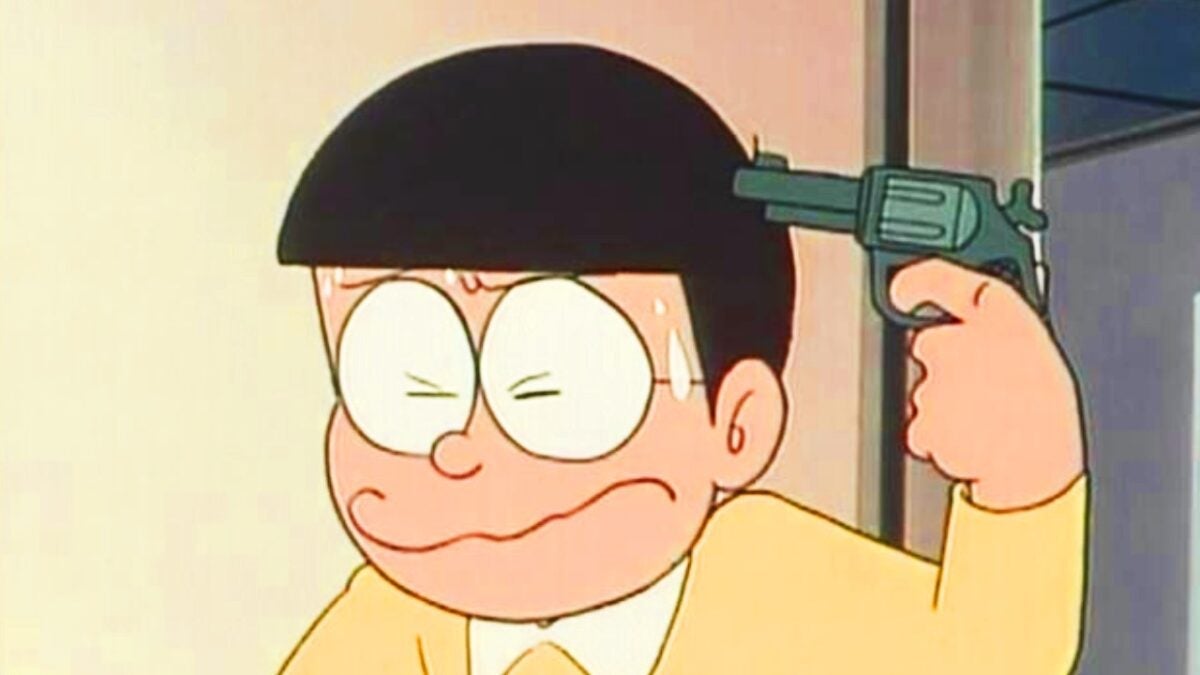
A similar theory directly touches on Doraemon, one of the most popular Japanese series of all time. According to what has been discussed, Doraemon is simply a fantasy of Nobita, a boy in a coma who imagines the cosmic cat and all his adventures to escape his reality. Some versions even claim that Nobita suffers from a terminal illness and that everything experienced with Doraemon is a product of his imagination.

The curious thing is that this theory had such an impact that a false “alternative ending” drawn by fans was even created, in which Nobita wakes up from the coma and thanks Doraemon for his company. That apocryphal comic went viral on the internet and for years it was believed to be authentic. However, in fact, the series doesn’t even have an official ending due to the death of one of its creators.

3. Shin Chan: a tragic story based on real events

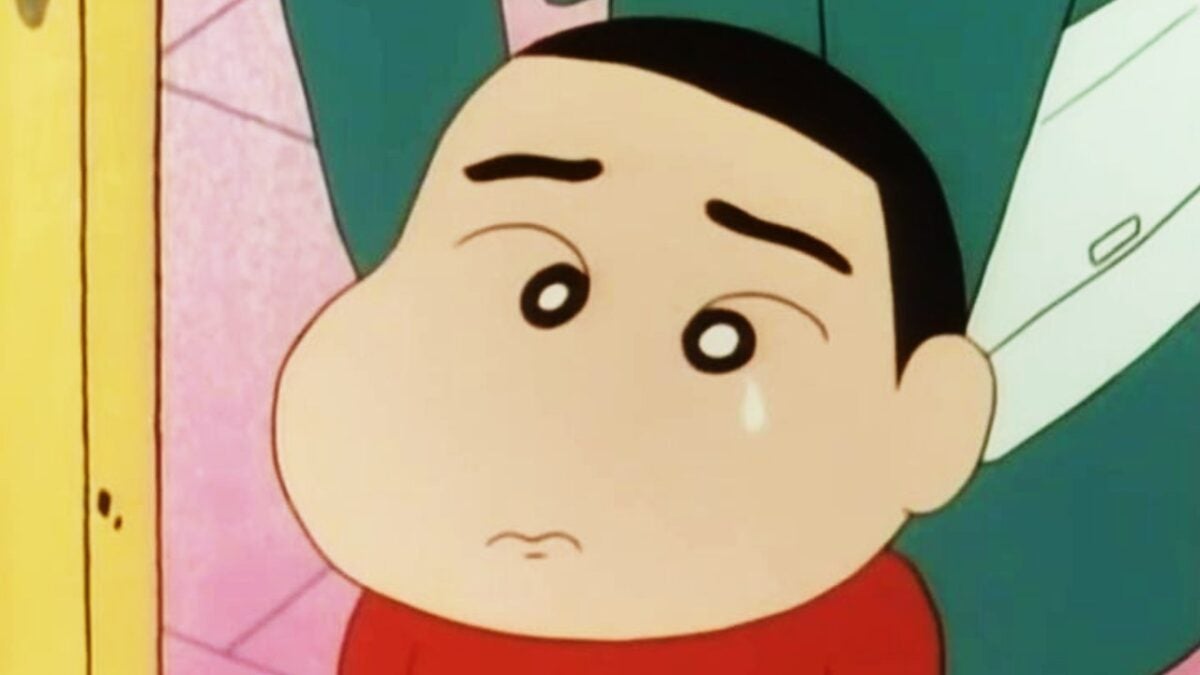
Another particularly disturbing theory that circulated in schools claimed that Shin-chan is an anime based on the true story of a mother who, after the death of her son in an accident, began drawing comics to cope with her pain. According to this legend, Shin Chan died trying to save his sister Himawari from a traffic accident, and his mother captured her memories in the form of manga. But nothing could be further from the truth. The creator of the series, Yoshito Usui, never mentioned anything like that, and in fact, it would be strange to imagine a mother honoring her deceased son by having him show his private parts.

4. Pokémon: Pikachu is Ash’s killer

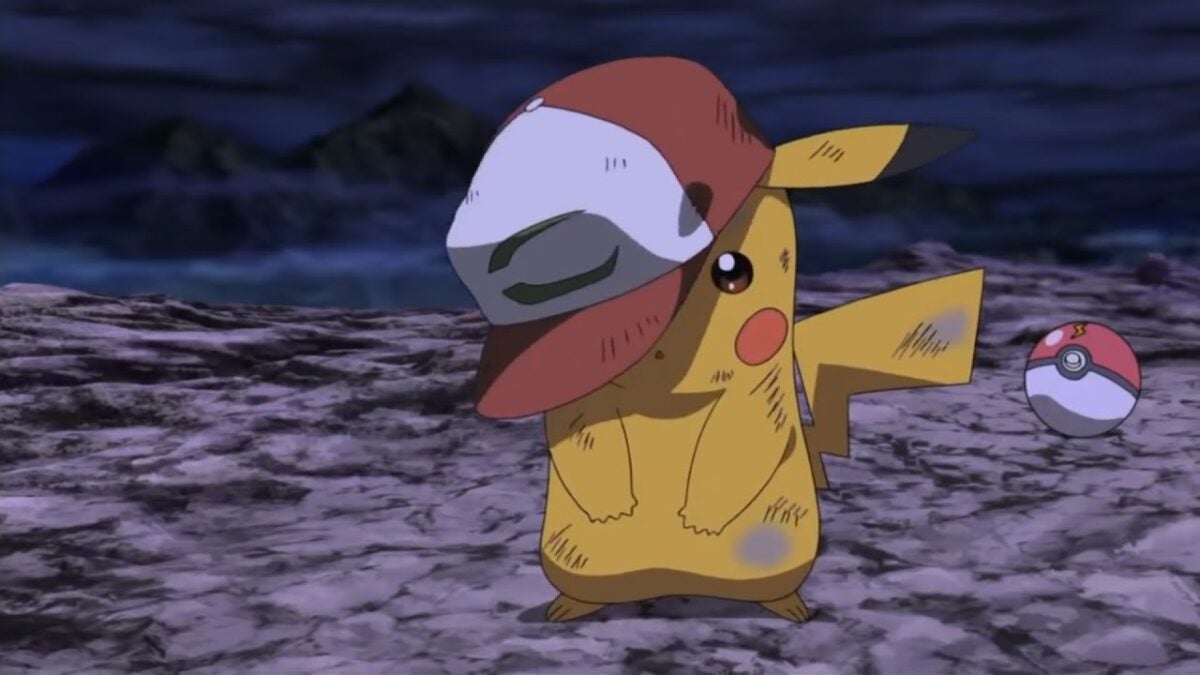
As you can see, it’s not that the kids had too much imagination. Repeated tropes are seen everywhere, and one of them is that Ash Ketchum, the protagonist of Pokémon, has been in a coma since episode 1, when he gets hit by a lightning bolt from Pikachu. In other words, Pikachu is the killer (or almost killer) of Ash. Certainly, more than one of us wouldn’t mind.

This theory tries to explain why Ash doesn’t age and how it’s possible for him to experience such crazy adventures. But it’s not real at all. In fact, Ash moved on and finally became the Pokémon League champion. Still, at the same age as always.

5. Heidi died of sadness after separating from her grandfather

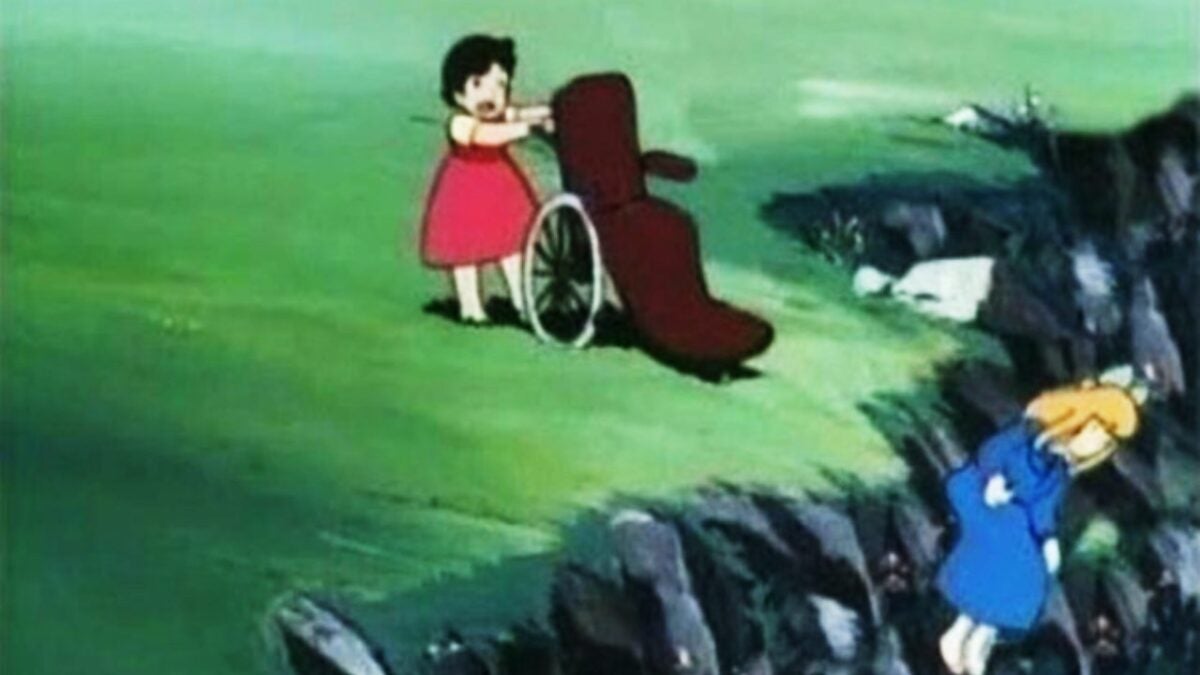
Heidi is one of the most commendable animes in history. It was one of the first pieces worked on by Isao Takahata and Hayao Miyazaki, co-founders of Studio Ghibli, and it marked a before and after in many countries. But in the dawn of the internet, a theory emerged claiming that the story hides a darker narrative. An urban legend states that Heidi actually died of sadness after being separated from her grandfather and sent to the city, and that everything we see in the series is a fantasy she creates in her final moments.

Author Juan Carlos SalozPosted on May 7, 2025July 1, 2025Categories News

Better Man: the best musical biopic is the one that no one has seen

Since Bryan Singer decided to make a biopic about Queen that, oh surprise, earned Rami Malek an Oscar for his role as Freddie Mercury, we have entered an era of Hollywood that is almost darker than that of superheroes: the era of musical biopics. Although there have been interesting exceptions, like Elvis, more and more films about singers are being released that don’t necessarily have a great story —sorry Bob Dylan, but A Complete Unknown doesn’t tell ANYTHING—. However, among all this whirlwind of bad movies, there is one that has stood out for having very high quality […]

Better Man: the best musical biopic is the one that no one has seen

Since Bryan Singer decided to make a biopic about Queen that, oh surprise, earned Rami Malek an Oscar for his role as Freddie Mercury, we have entered an era of Hollywood that is almost darker than that of superheroes: the era of musical biopics. Although there have been interesting exceptions, like Elvis, more and more films about singers are being released that do not necessarily have a great story —sorry Bob Dylan, but A Complete Unknown tells NOTHING—.

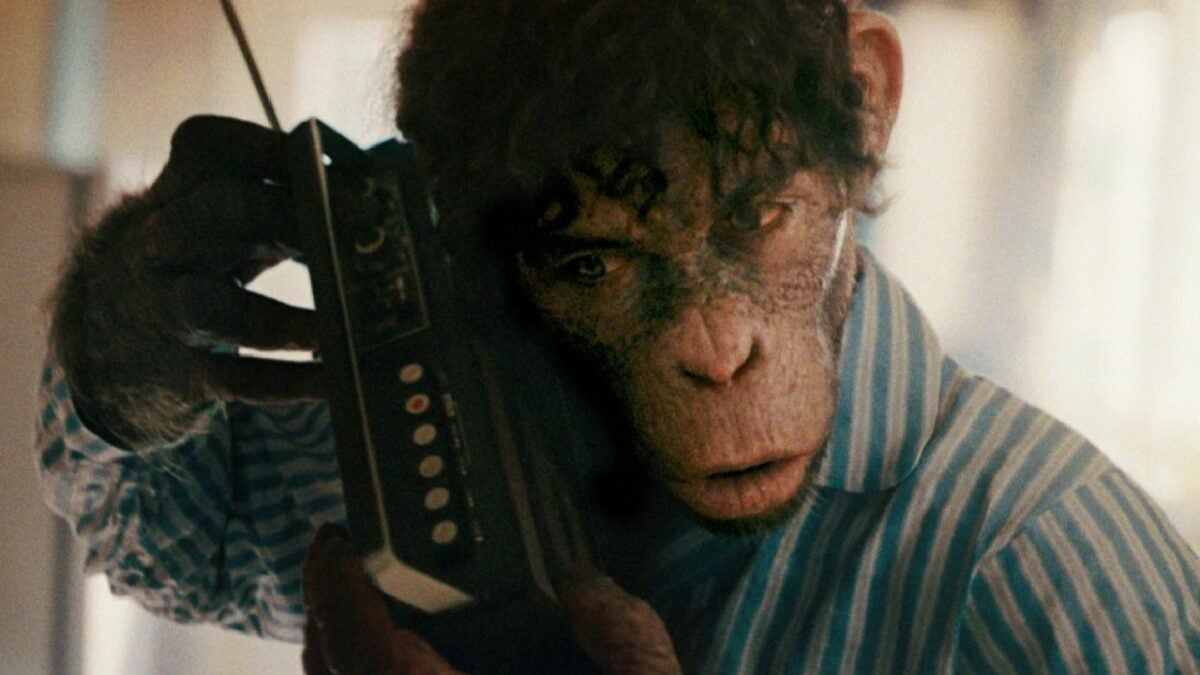
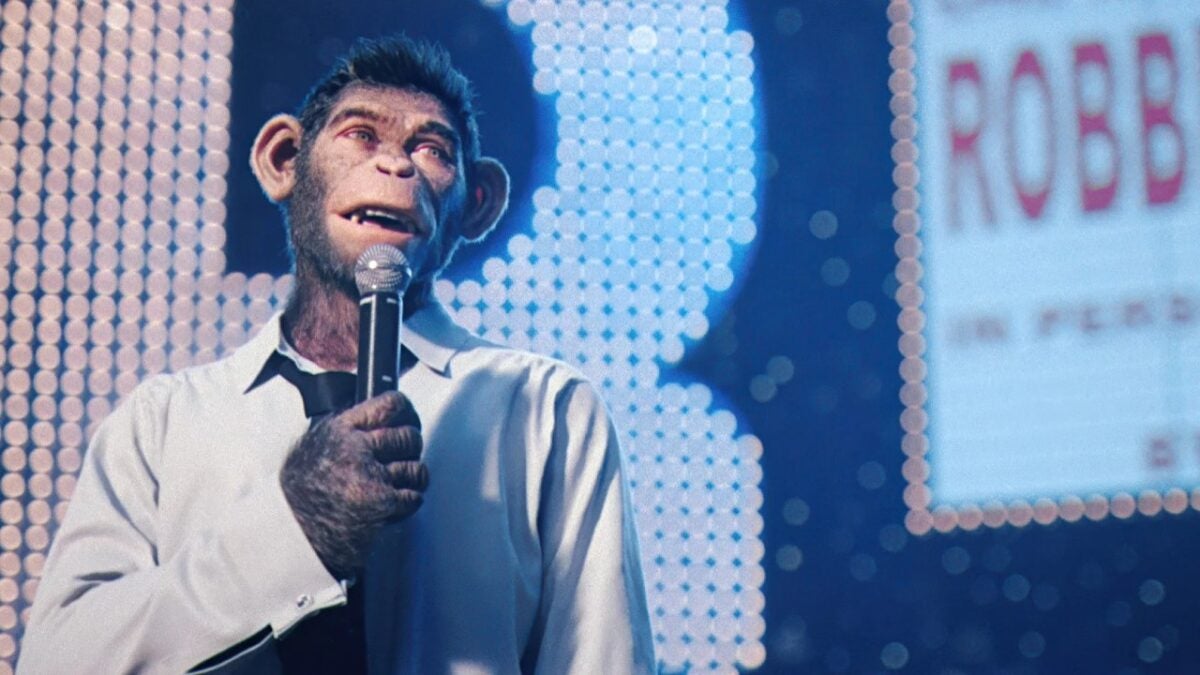
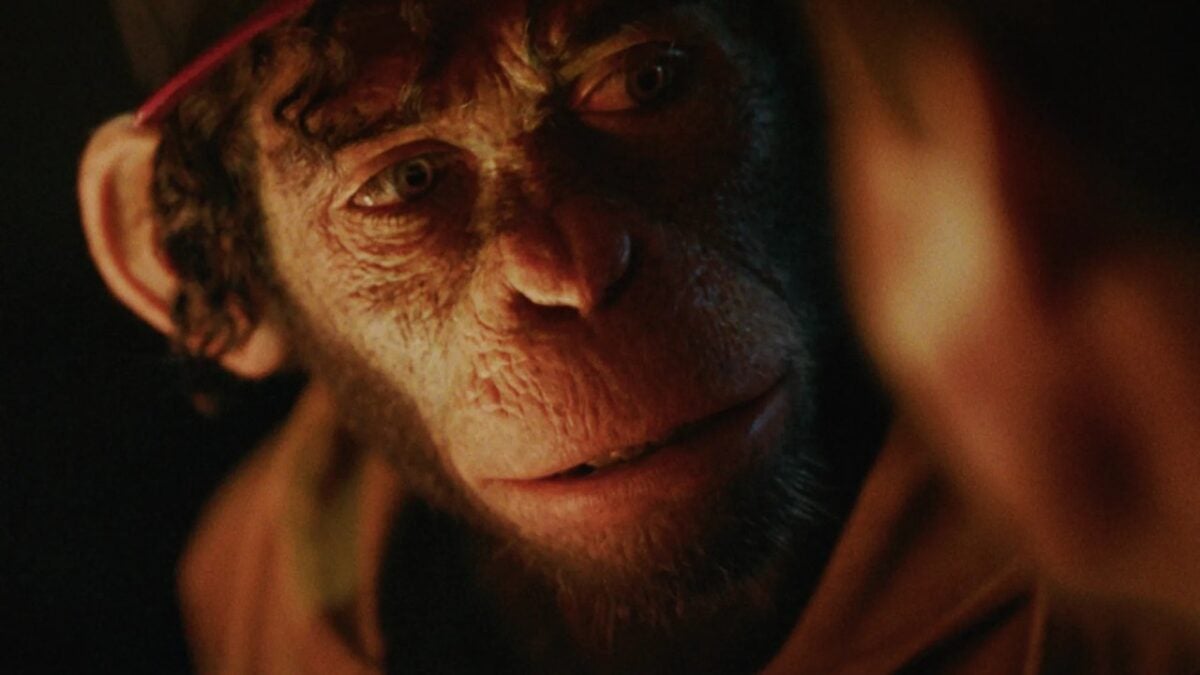
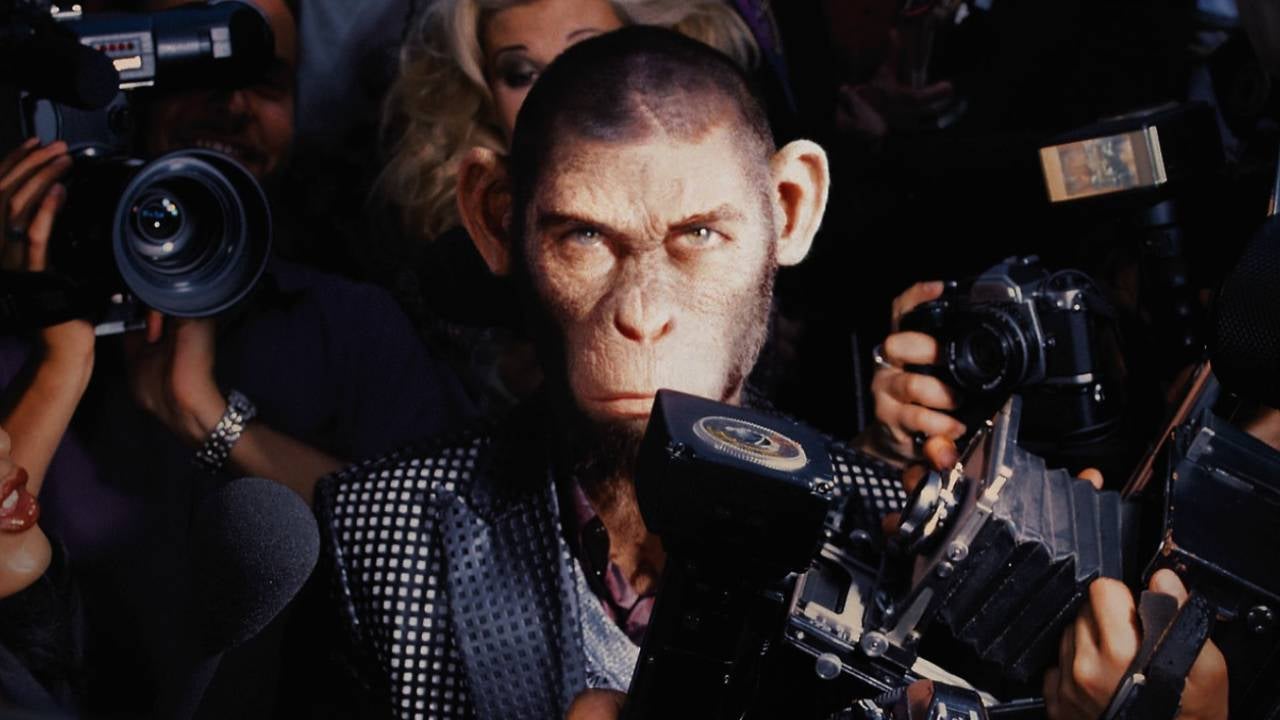
However, amidst all this whirlwind of bad movies, there is one that has stood out for having a quality far superior to the rest: Better Man. Directed by Michael Gracey (The Greatest Showman) and released on December 26, 2024, the film not only sensitively captures the rise, fall, and redemption of Robbie Williams, but also dares to play with the rules of the genre in an innovative and fascinating way. And, well, additionally, the protagonist is a monkey, which in itself is a reason to watch the film.

But all these crazy ideas, this incredible visual formalism, and this exciting story have been of no use. Whether it’s because people have become saturated with so many musical biopics or because they don’t really like watching a monkey sing, the movie has been an absolute commercial disaster. It has only grossed 22 million dollars from an investment of 110. And it hasn’t even been noticed in the awards.

Why Better Man is better than Bohemian Rhapsody (and all that jazz)

If this article serves any purpose, let it be to at least generate some curiosity about a movie that deserved much more than what it has achieved. Better Man should have been a full-blown box office hit, and I am sure that if more people had seen it, word of mouth would have taken effect and we wouldn’t be talking about failure now.

Unlike other sugary biopics (has it become clear that I can’t stand Bohemian Rhapsody?), Better Man does not seek to sanctify the artist. It also does not fall into the sugary melodrama or the simplistic chronology that turns real life into a succession of iconic moments designed for fans. The film opts for a more introspective and surreal approach, in which the monkey Robbie Williams reviews his life as if it were a theatrical play.

The direction of Gracey is impressive. His characteristic lush visual style manages to balance the spectacularity of the concerts with moments of solitude, addiction, and vulnerability. And it is that, thanks to breaking the barrier of disbelief from the very first moment, the film allows for moments of fantasy and abstraction, diving into the soul of the character, into his chronic insecurity and his struggle with mental health. Robbie appears as an idol with feet of clay, someone trapped in his own fame, constantly confronted with the absent figure of his father, the legacy of Take That, and the pressure to constantly reinvent himself.

But here we are not watching A Star is Born. We do not wallow in its crap, but rather we simply face a complex and addictive character. Better Man completely avoids moralism. There are no grand speeches about the price of fame or forced redemptions. The film prefers to show rather than explain, with an incredible narrative and musical numbers much better than most biopics of this kind. In short, instead of making a simple filmed playlist, Better Man makes the music part of the emotional discourse of the story.

The blame is on the United States

But why, if it is such a good movie, has it failed so spectacularly? Well, beyond the fact that we should stop the discourse that a great box office is synonymous with a great movie (ahem Minecraft ahem), the most obvious excuse for the failure is the limited penetration of Robbie Williams in the U.S. market.

While Freddie Mercury, Elton John, or Elvis are global icons, Robbie remains, essentially, a British superstar. His charisma, his sharp humor, his combination of arrogance and insecurity —so characteristic of 90s English pop— do not connect with the North American narrative of success and self-improvement. In the United States, Robbie Williams is little more than “that guy who sang Angels.”

This has caused distributors to hesitate in launching the film on a large scale outside the United Kingdom. In fact, Better Man was released very limited in some countries and has not yet reached the major streaming platforms, which greatly hinders its visibility. The biopic has become, so to speak, an almost instant cult product, valued by fans but unknown to the general public.

But, paradoxically, this invisibility also gives Better Man a special aura. It doesn’t have to answer to the global market or submit to the more commercial conventions of the genre. Despite the evident box office failure, it is a film that has been able to be whatever it wanted. At a time when all biopics seem designed to win awards and make fans excited over trivialities, Better Man presents itself as a free, playful work, and ultimately, a MOVIE in capital letters.

Author Juan Carlos SalozPosted on May 6, 2025July 1, 2025Categories News

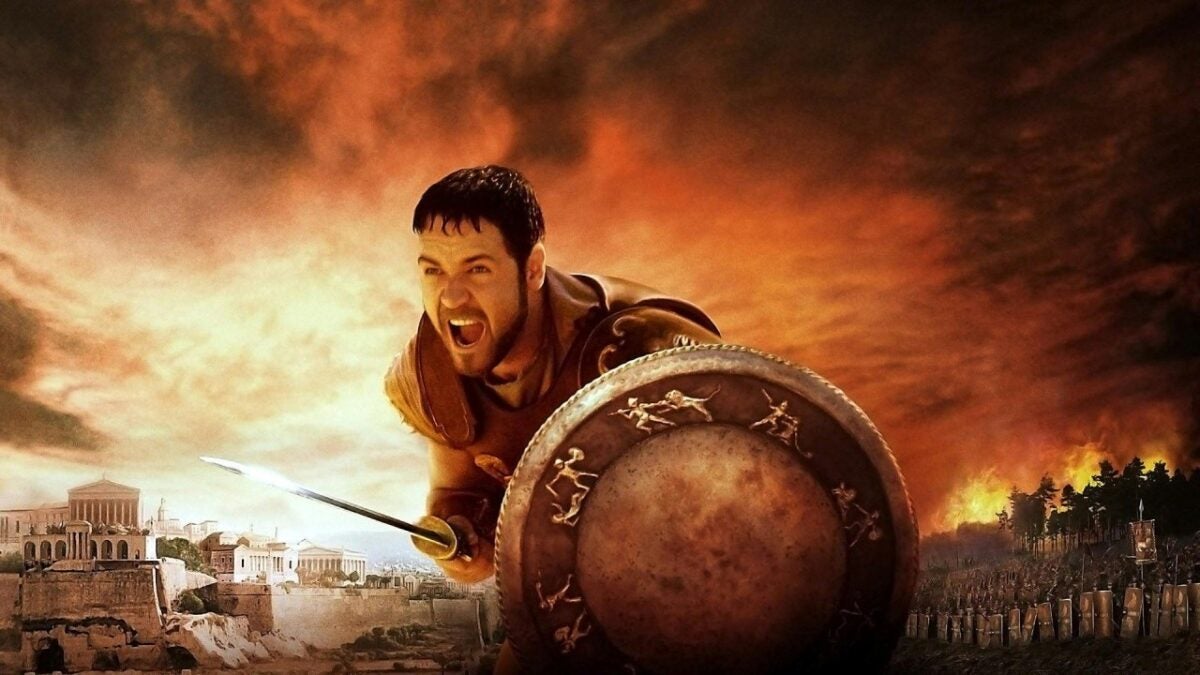
25 years of Gladiator: why it was so important at the time… and why the sequel has not pleased anyone

On May 5, 2000, a Roman war shook cinemas around the world. At a time when The Lord of the Rings was still a milestone to achieve and when the great blockbuster had been set aside for films of other genres like thrillers, Ridley Scott once again proved that Alien and Blade Runner were not a coincidence. With Gladiator, Scott pulled a classic story out of his hat with a modern wrapper, a grand production that seemed to come from golden Hollywood but spoke powerfully to the audience of the new […]

25 years of Gladiator: why it was so important at the time… and why the sequel has not pleased anyone

On May 5, 2000, a Roman war shook theaters around the world. At a time when The Lord of the Rings was still a milestone to achieve and the great blockbuster had been set aside for films of other genres like thrillers, Ridley Scott proved once again that Alien and Blade Runner were not a coincidence.

With Gladiator, Scott pulled a classic story out of his hat with a modern wrapper, a grand production that seemed to come straight from golden Hollywood but spoke powerfully to the audience of the new millennium. It was not only a box office hit that welcomed the new century with open arms. It was also a punch on the table that reminded us that epic cinema, if made with heart and grit, could still move us.

Gladiator marked an era with which Gladiator II has ended

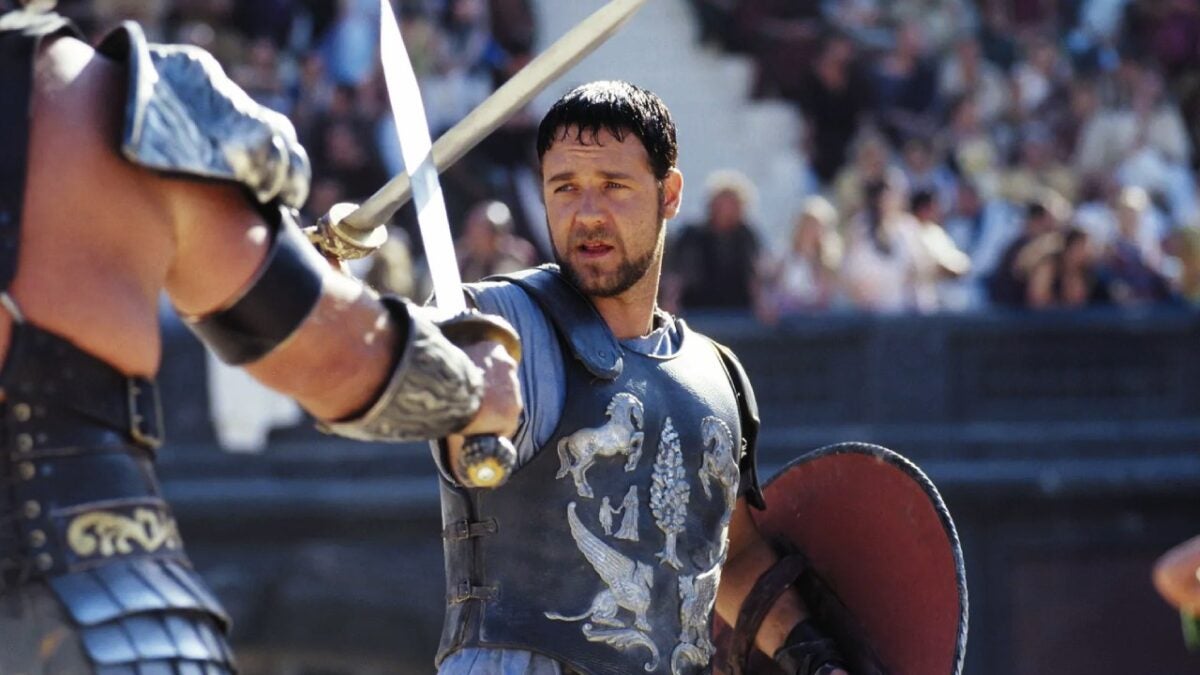
With an Oscar success almost unmatched until then, and a production design that influenced major later hits like 300, Troy, or Alexander, Gladiator became an instant classic. Russell Crowe became an almost mythical figure. He was not only Maximus Decimus Meridius, commander of the northern armies, general of the Phoenix legions, and loyal servant of the true emperor Marcus Aurelius. He was also the new hero of a generation coming from the 90s looking for something more than special effects and marketing slogans.

As digital cinema arrived with force and made it clear that everything we were going to see from that moment on was much more similar to Matrix than to Centaurs of the Desert, Scott said “I won’t go that way.” And, well, he delighted us with a film that even today remains a must-see every time it airs again on TV.

Twenty-five years have passed since then. A quarter of a century in which cinema has changed as much as we have. Now Greek myths are not as fashionable as superheroes (and, in fact, they are also starting to fade a bit). But, unfortunately, we cannot proudly celebrate the 25th anniversary of Gladiator. Why? Because there is something called “Gladiator 2”.

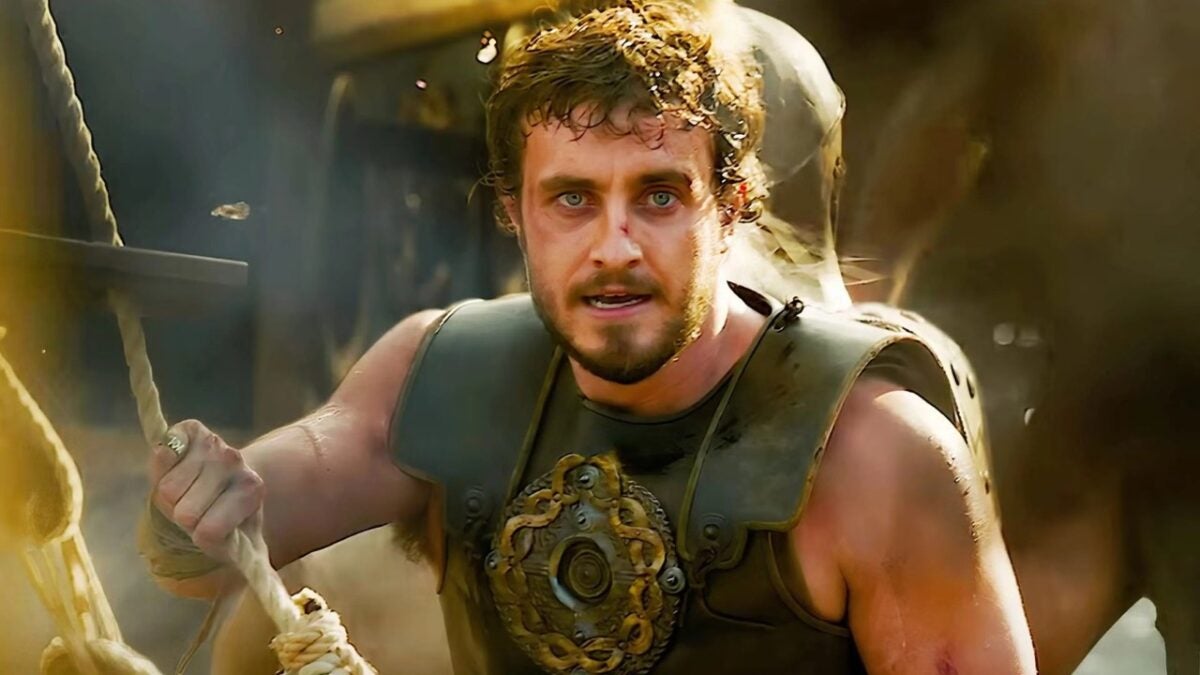
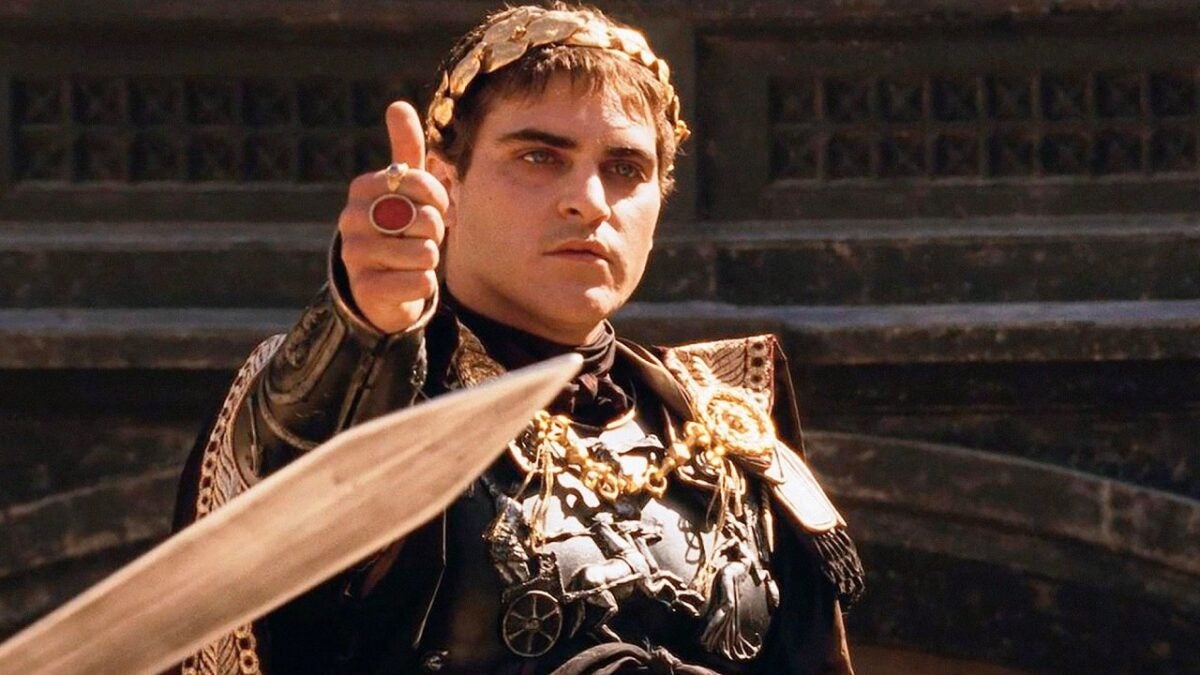
Released on November 15, 2024, Gladiator 2 aimed to be a late sequel worthy of the circumstances. It wanted to take the original story and follow it through Lucius Verus, the son of Maximus, who was left pending in the original film as a future hero to be explored. It seemed to have everything to be a hit: from a huge budget to the most interesting stars of the moment, from Paul Mescal to Pedro Pascal, including Joseph Quinn and, of course, Denzel Washington.

However, Ridley Scott has been showing for years that he is no longer the same. Normal, at 87 years old, it doesn’t even make sense for him to continue directing epic films like this one. But one must know when to step aside or simply leave things as they are. And after the failure of Napoleon, perhaps it was not the right time to take on the most important film of your career and carry out a sequel that nobody asked for.

In the end, it’s not that Gladiator 2 is an absolute disaster. It has production value, actors who are not too bad (although, honestly, Paul Mescal doesn’t fit that role at all) and scenes that are on par. I mean, it even has a naval battle pulled out of nowhere inside the Coliseum. Overall, it should have been able to meet at least a minimal standard.

But cinema is not about sharks and rhinoceroses (unless we’re talking about a documentary). It’s about emotion, and that’s exactly what happens with Gladiator 2. Here, the emotion is contrived, with a script that doesn’t make much sense, pushed to the limit to reach the epic scenes. The lines desperately try to be epic, but they only end up sounding like a copy. And today’s viewer notices that.

The most curious thing is that Gladiator 2 does not fail due to excessive ambition, but out of fear. Out of fear of breaking with the legacy of the original. Out of fear of building something new without the scaffolding of memory. Instead of presenting us with a new conflict that shakes us, it becomes obsessed with repeating the formula: betrayed protagonist, power struggle, Roman circus, redemption. But without a Maximus, without that wounded gaze of Crowe that broke your soul, everything remains just a wrapper. And even the presence of powerful actors like Denzel Washington fails to ignite the spark.

For a few years now, we have gotten used to the idea that all great movies must have a remake, a late sequel, or a spin-off. And look, no. Sometimes we shouldn’t focus so much on what was and try new things. Because Ridley Scott has the potential to do it, and sometimes he succeeds as well as he did with The Last Duel.

But it is already late. Now we celebrate the 25th anniversary of Gladiator at half-mast. Because the very director of the original has betrayed it. Of course, Maximus Meridius will always remain in our memory… but now his memory is somewhat blurrier. Gladiator was so complete that it never needed a sequel. It had a closed, perfect, even poetic ending. Reopening that tomb has only served to remind us why we left it untouched for 25 years. Because deep down, we knew that no one could take Maximus’s place. Neither on the throne of Rome nor in our memory. Ridley, thank you for trying. But there are battles that were already won before they were fought.

Author Juan Carlos SalozPosted on May 5, 2025July 1, 2025Categories News

The 5 best episodes of Love, Death & Robots to prepare for the fourth season

Despite being a platform that has become the mainstream answer to general public taste, with repetitive series and not much effort overall, Netflix occasionally delivers pleasant surprises. Fictions like Adolescencia or My Plush Reindeer sneak in among the enormous amalgam of cultural products on the platform, winning over the audience with different proposals. In 2019, the experimental series that achieved this was Love, Death & Robots, an anthology of adult science fiction animation produced by Tim Miller and David Fincher. Each episode, completely independent, becomes a laboratory of […]

The 5 best episodes of Love, Death & Robots to prepare for the fourth season

Despite being a platform that has become the mainstream answer to general public taste, with repetitive series and not much effort overall, sometimes Netflix gives pleasant surprises. Fictions like Adolescence or My Plush Reindeer sneak in among the huge amalgam of cultural products on the platform, winning over the audience with different proposals.

In 2019, the experimental series that achieved this was Love, Death & Robots, an anthology of adult science fiction animation produced by Tim Miller and David Fincher. Each episode, completely independent, becomes a testing ground for telling distinct stories using all kinds of techniques. Over three seasons, they have dazzled us with impressive gems. And on May 15, the 4th season arrives, which promises to keep raising the stakes. But what are the best episodes of Love, Death & Robots so far?

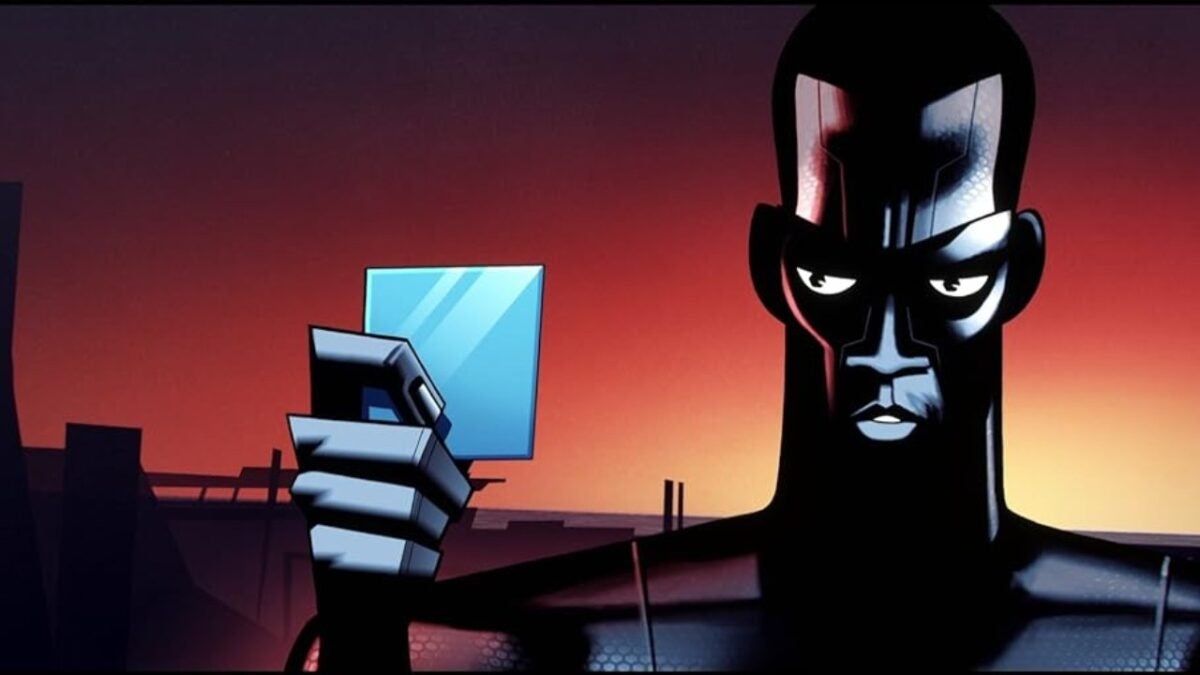
Zima Blue (Season 1, Episode 14)

For many, this chapter encapsulates the soul of Love, Death & Robots. It was one of the last of the first season, but it undoubtedly remained a true reflection of what this anthology series represents. With its unmistakable visual style —flat colors, elongated silhouettes, and an aesthetic reminiscent of Aeon Flux or Tron—, director Robert Valley tells the story of an intergalactic artist who, after decades of aesthetic perfection, decides to abandon greatness to reconnect with his origins: a pool cleaning machine.

What makes Zima Blue special is not only its philosophical message that makes us think about ourselves and our future, but also the way it conveys it. The episode features a visual poetry that forgoes easy spectacle to embrace the melancholic. It is a tale about the meaning of art, artificial consciousness, and the search for authenticity in a world full of stimuli like the one we find ourselves in.

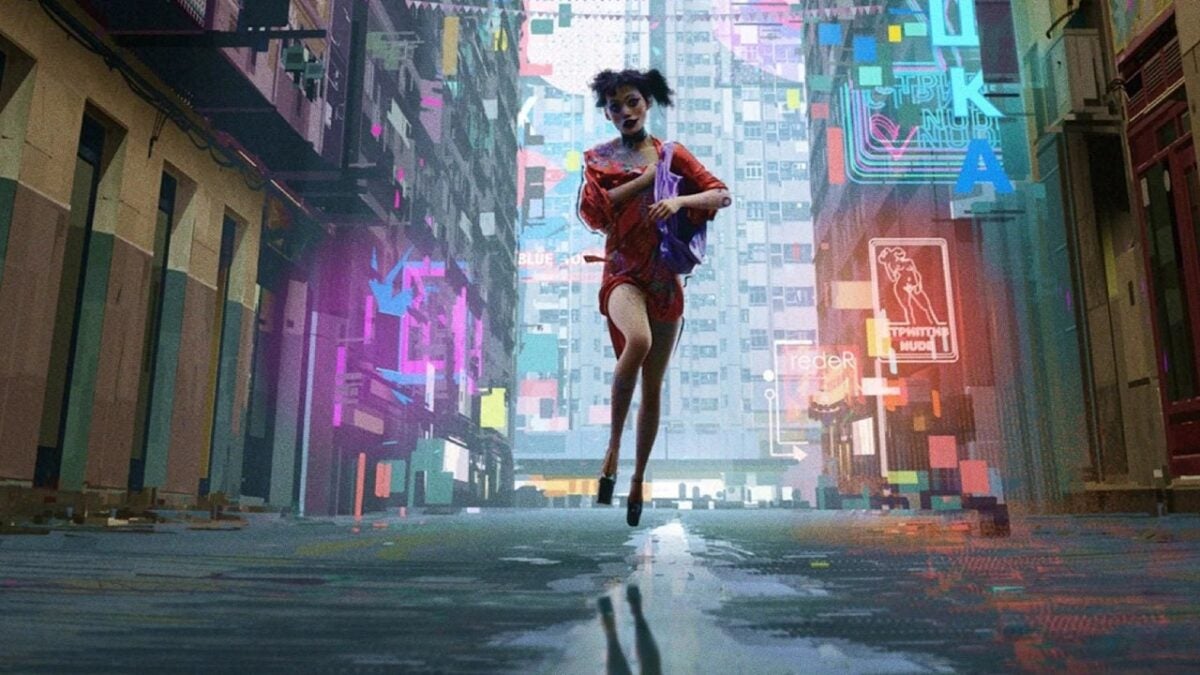
The Witness (Season 1, Episode 3)

Coming from the mind of Alberto Mielgo, the Spanish Oscar-winning director, another of the most interesting episodes of the first season is undoubtedly The Witness. Set in the third episode of the first season, it served as the first major visual impact of the series.

The chapter narrates a dizzying chase between a woman who witnesses a murder and the supposed killer who follows her. All set in an incredible futuristic and chaotic city that seems like a cross between Blade Runner and a fashion runway. Technically, the short was revolutionary: a mix of 3D animation and rotoscoping that achieves a stylized photorealism, as if the canvas were alive. Moreover, its narrative loop makes it unique in its storytelling.

Pop Squad (Season 2, Episode 3)

Although the second season was somewhat shorter than the first, it also left us with some truly remarkable gems. My favorite is Pop Squad, a dark tale that transports us to a world where immortality is possible… as long as we are willing to eliminate all the children.

This subversive ethical premise is carried through by an unyielding agent who is clear about their mission… but begins to question their role after an encounter with a mother and her hidden daughter. Jennifer Yuh Nelson, the director (note) of Kung Fu Panda 2 and 3, is the director of this episode. It is one of the few episodes that bets on emotional introspection rather than visual impact, but its conclusion places it on the podium of the best in the anthology.

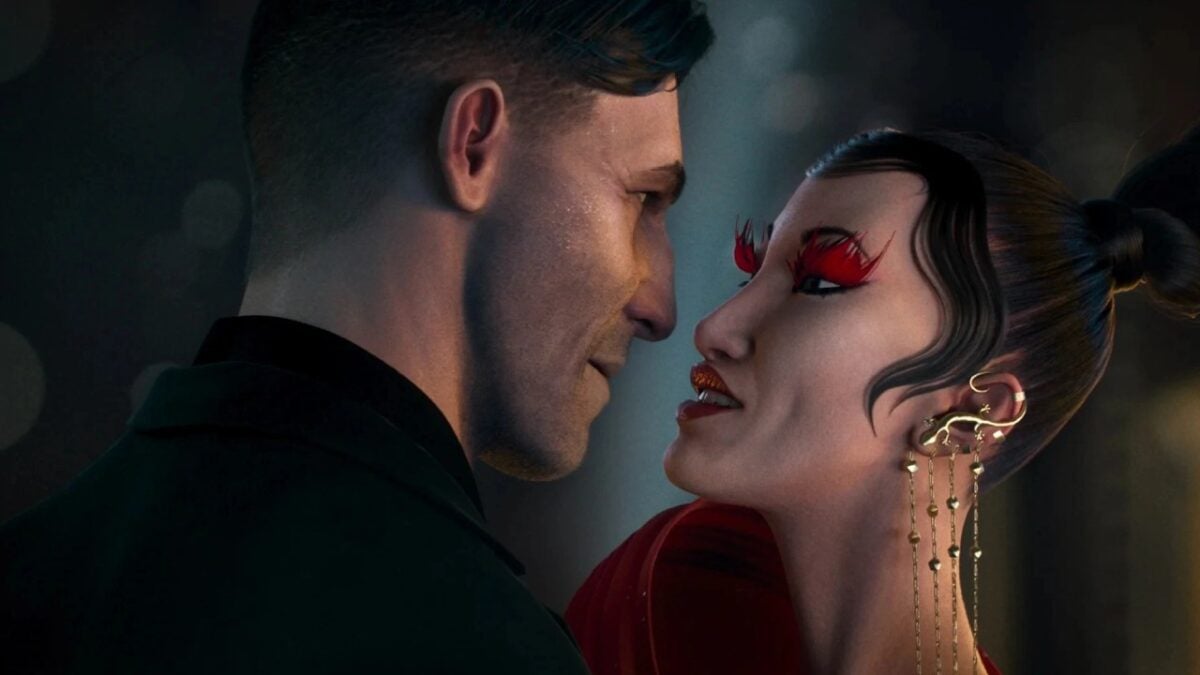
Jíbaro (Season 3, Episode 9)

Alberto Mielgo repeats in the top with Jíbaro, but what he does is impressive. In this chapter, the Spanish director transports us to a colonial jungle, where we follow the encounter between a deaf knight and a hypnotic mermaid. However, what seems like a fairy tale soon turns into a bloody dance of desire, violence, and greed.

The animation, once again, is completely wonderful. It combines motion capture with advanced digital techniques, in addition to adding an absolutely immersive sound design that simulates what the protagonist hears (or rather does not hear). There are no dialogues, just bodies moving to the rhythm of tragedy. Jíbaro won the Emmy for Best Animated Short in 2022. And rightly so.

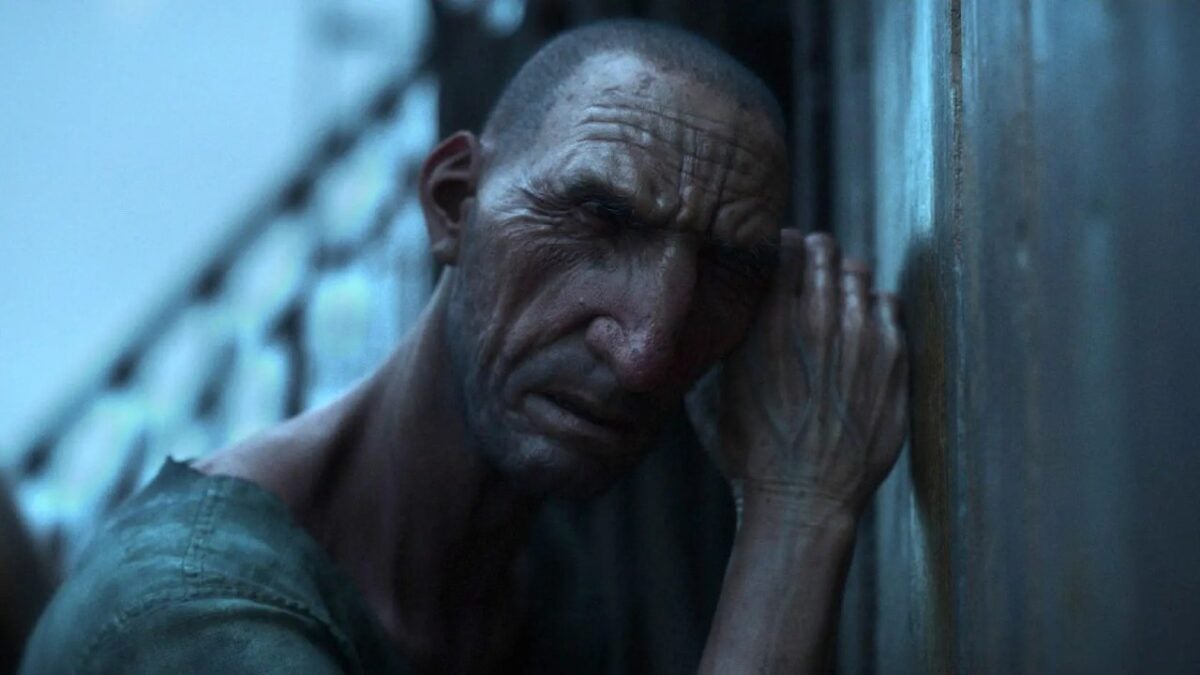
Bad Travelling (Season 3, Episode 1)

Another impressive short film from season 3 is Bad Travelling, the highly anticipated directorial debut of David Fincher for the series. The wait was worth it, as it quickly became one of the best in the entire anthology. This episode is a story of maritime horror, where a ship is invaded by a flesh-eating creature that forces the crew to choose between betrayal and survival.

With a script written by Andrew Kevin Walker (Seven), the episode is an essay on power, morality, and manipulation. A small gem in which Fincher showcases his mastery of rhythm and framing, this time in animated format.

Author Juan Carlos SalozPosted on May 2, 2025July 1, 2025Categories News

The dark Korean series that is taking off on Netflix and has nothing to envy from Squid Game

South Korea has become one of the most prolific regions in terms of audiovisual content. Since directors like Park Chan-wook and Bong Joon-ho showed the world that a different (and better) way of making cinema was possible thanks to films like Oldboy, Parasite, or The Handmaiden, the Eastern country has positioned itself at the forefront of world cinema. And, in recent years, this has also extended to series. Thanks to Netflix, Korean series have started to take off worldwide. From the global phenomenon of Squid Game […]

The dark Korean series that is taking off on Netflix and has nothing to envy from Squid Game

South Korea has become one of the most prolific regions in terms of audiovisual content. Since directors like Park Chan-wook and Bong Joon-ho showed the world that a different (and better) way of making cinema was possible thanks to films like Oldboy, Parasite, or The Handmaiden, the Eastern country has positioned itself at the forefront of world cinema.

And, in recent years, this has also extended to series. Thanks to Netflix, Korean series have started to take off worldwide. From the global phenomenon of Squid Game to K-Dramas like The Glory or All of Us Are Dead, series from Korea have captured the attention of international audiences thanks to their sublime quality.

A series that challenges you as a viewer

Now, a new Korean series has been standing out for weeks in the Top 10 of the most-watched non-English language series on the platform. Its title is Karma and it is already standing out as one of the best series of 2025. Premiered a month ago, on April 4th, this six-episode miniseries has captured millions of viewers around the globe.

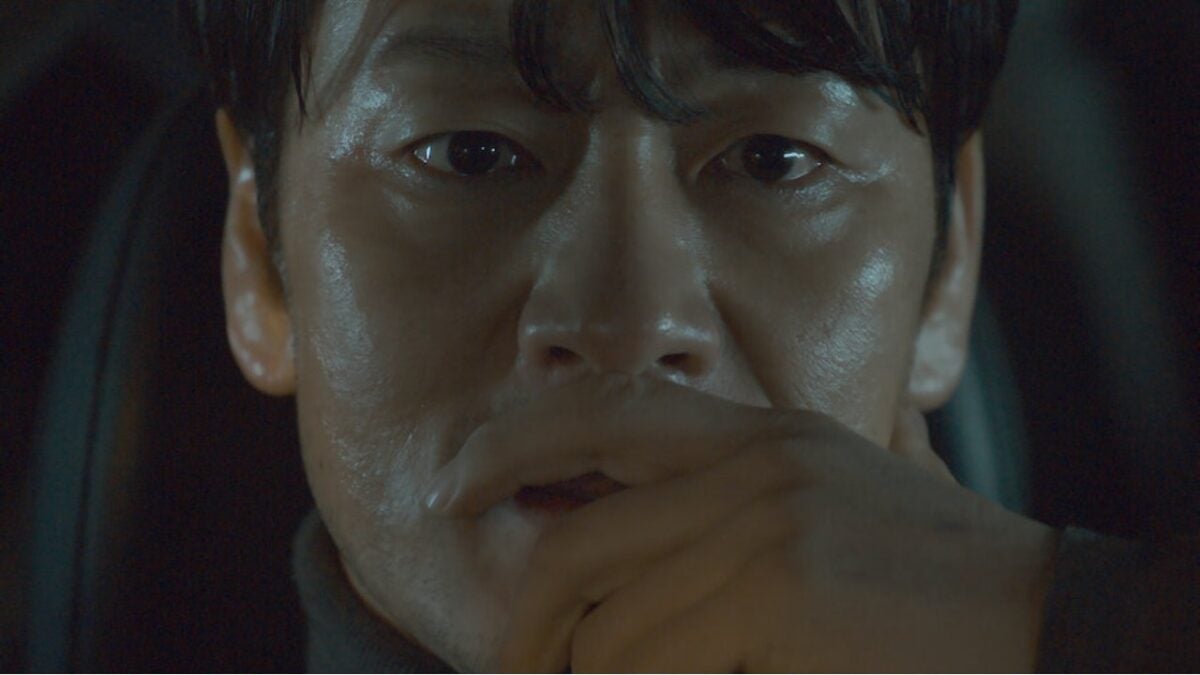
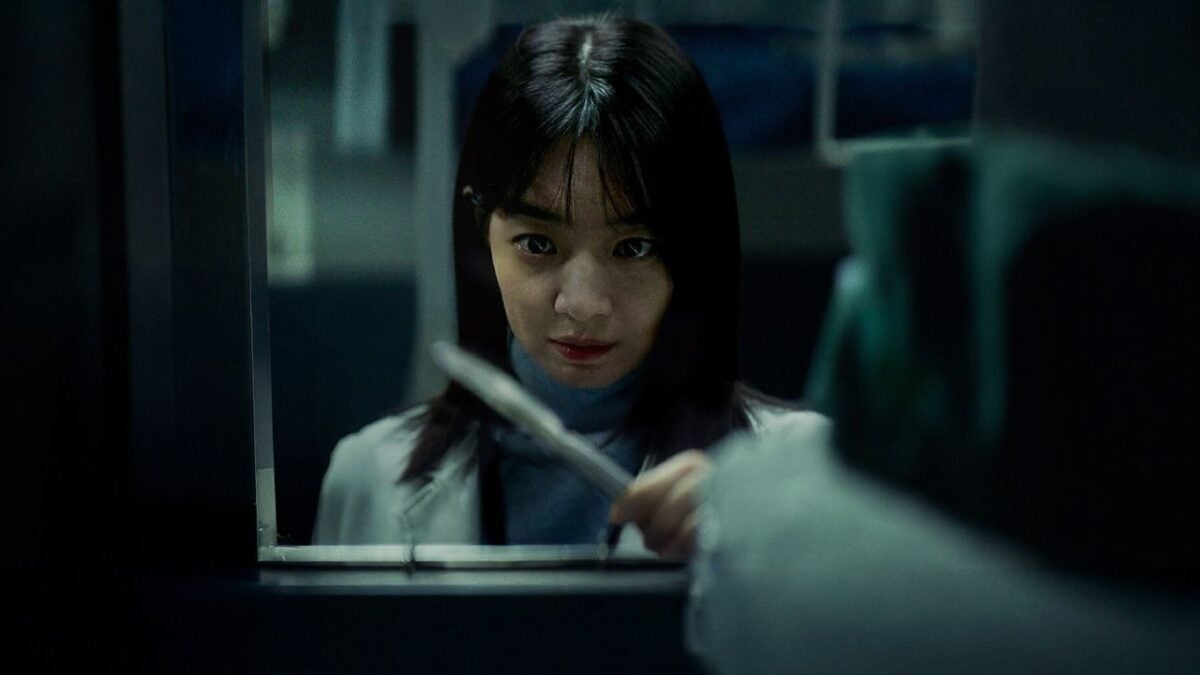
Directed by Lee Il-hyung (known for A Violent Prosecutor), Karma rises as a psychological thriller that follows the intertwined lives of six people after a fateful accident that connects them all. Soon, what seemed to be an isolated incident turns into an unbreakable chain of crime, guilt, and redemption. The plot twists are constant, making it one of those series you can’t stop watching until everything is resolved and you can sleep peacefully again.

The cast of Karma is one of its most outstanding elements. The main protagonist (although it is a fiction with six different points of view) is none other than Park Hae-soo, whom we got to know well as the rival to beat in Squid Game. After starring in the forgettable Money Heist: Korea (not everything was going to go well for Netflix), Hae-soo returns with a character completely different from what we are used to.

But he is not alone in the series. Alongside him are other very interesting figures that will delight K-Drama fans, such as Shin Min-a (Hometown Cha-Cha-Cha) and Lee Hee-joon (A Killer Paradox). There is no flat character in the series. Each one faces their own demons; from a doctor tormented by nightmares to a man in debt from failed cryptocurrency investments. Although, on the surface, none seem to be related to each other, all the stories intertwine in a masterful narrative that should be studied in series writing courses.

That said: Karma is not a series for everyone. Don’t expect a complacent fiction that you can watch while scrolling through TikTok on your phone. The Korean fiction features a complex narrative that requires you to pay attention to every detail. Since it is a series full of plot twists and characters that are not what they seem, it is important to immerse yourself in its story without distractions.

But, although this complexity is what specialized press has criticized the most about Karma, from my point of view, it is what makes it more attractive. Ok, we are used to series that do everything for us… especially when it comes to Netflix. But what if we take a break from distractions and face something deeper and more complex? If you are tired of series creators treating the audience like fools, Karma might be the answer you were waiting for.

Author Juan Carlos SalozPosted on May 1, 2025July 1, 2025Categories News

The 5 best Thunderbolts comics to prepare for their premiere

Marvel Studios has been in a somewhat delicate situation for years. Despite still making blockbusters every now and then, like last year’s Deadpool & Wolverine, lately their failures are outnumbering their successes. The latest one was notable: Captain America 4: Brave New World only made 414.2 million dollars, and although it had a budget of 180, it seems that the studio did not recover its investment after advertising and marketing. However, the MCU continues to expand more and more, and Kevin Feige is hopeful that the upcoming movies will balance […]

The 5 best Thunderbolts comics to prepare for their premiere

Marvel Studios has been in a somewhat delicate situation for years. Despite still making box office hits every now and then, like last year’s Deadpool & Wolverine, lately their failures seem to outnumber their successes. The latest one was quite notable: Captain America 4: Brave New World only made 414.2 million dollars, and although it had a budget of 180, it seems that the studio did not recover its investment after advertising and marketing costs.

However, the MCU continues to expand more and more, and Kevin Feige is hopeful that the upcoming movies will balance the scales. This year they will release Fantastic Four and next year Avengers: Doomsday, so everything seems to indicate that their fateful luck will change. However, before that, we will see a more controversial release arriving on May 2: Thunderbolts*.

When this movie was announced, no one seemed very inclined to go see it. The truth is that this pseudo-Suicide Squad didn’t have many followers due to its cast. But as they have shown more trailers and posters, the audience has become more excited. And let’s be honest, the asterisk is an unbeatable cliffhanger. But who are these heroes? If you want to be somewhat up to date on the original lineup, we recommend 5 comics that you can’t miss before watching the movie.

Thunderbolts (1997) #1–12 – The Origin of Deception

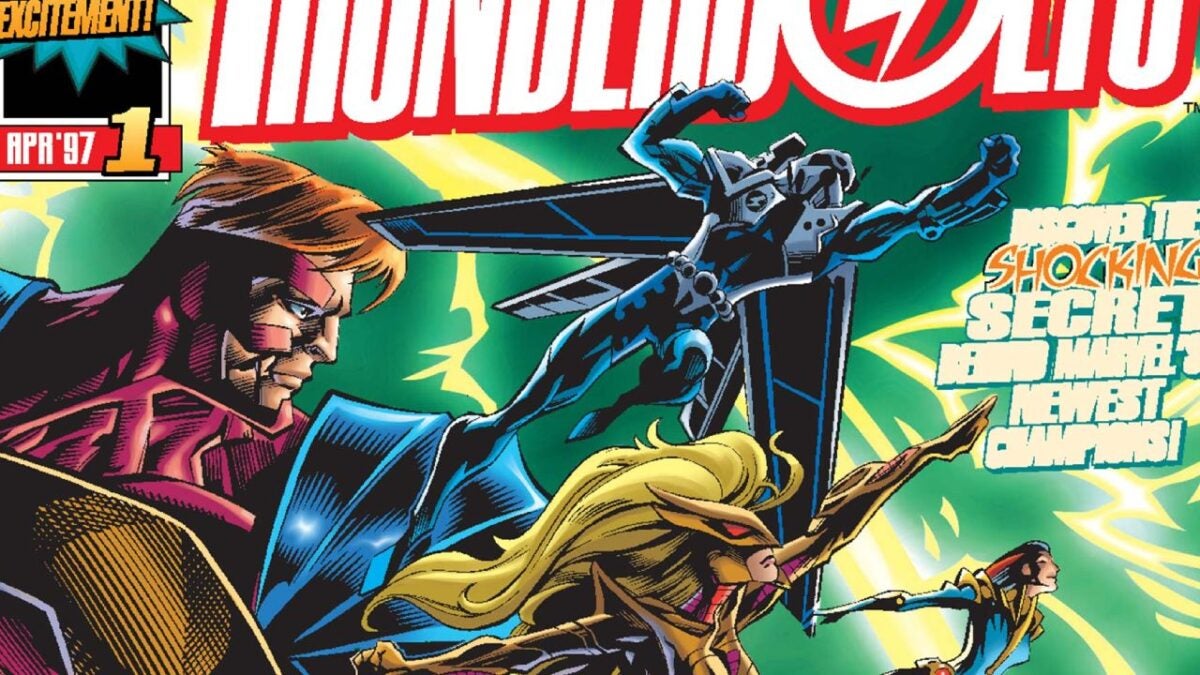
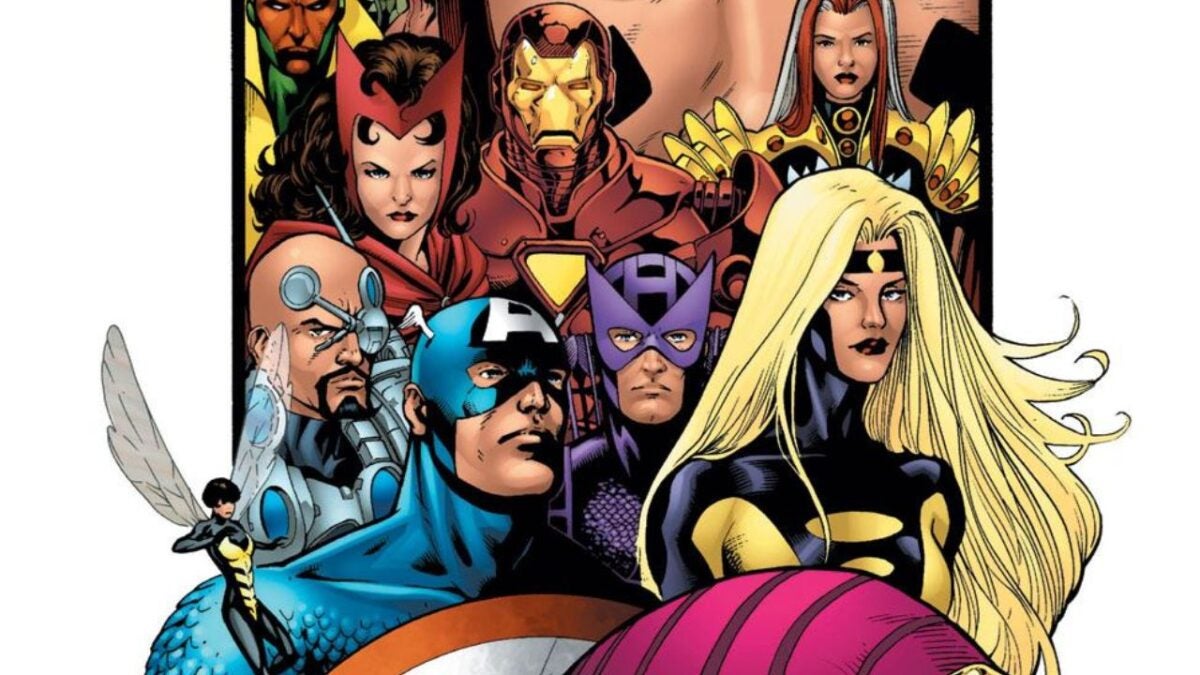
The original Thunderbolts series, created by Kurt Busiek and Mark Bagley, started with a brilliant premise: with the Avengers and the Fantastic Four missing after the events of Onslaught, a new team of heroes emerges to fill the void. But by the end of the first issue, readers discover that these new heroes are, in fact, the Masters of Evil in disguise, led by Baron Zemo. Things were getting interesting.

Although Zemo is not confirmed in the movie (how interesting he was…), the concept of villains forced to act as heroes clearly resonates. Many of the characters in the film —such as Ghost, Taskmaster, or U.S. Agent— have murky pasts and could be drawn into undercover missions that challenge their morality. Additionally, Valentina’s presence as a recruiter recalls the manipulative Zemo from the comics, suggesting that there is more than one agenda at play.

Thunderbolts (2006) #110–121 – The Era of Norman Osborn

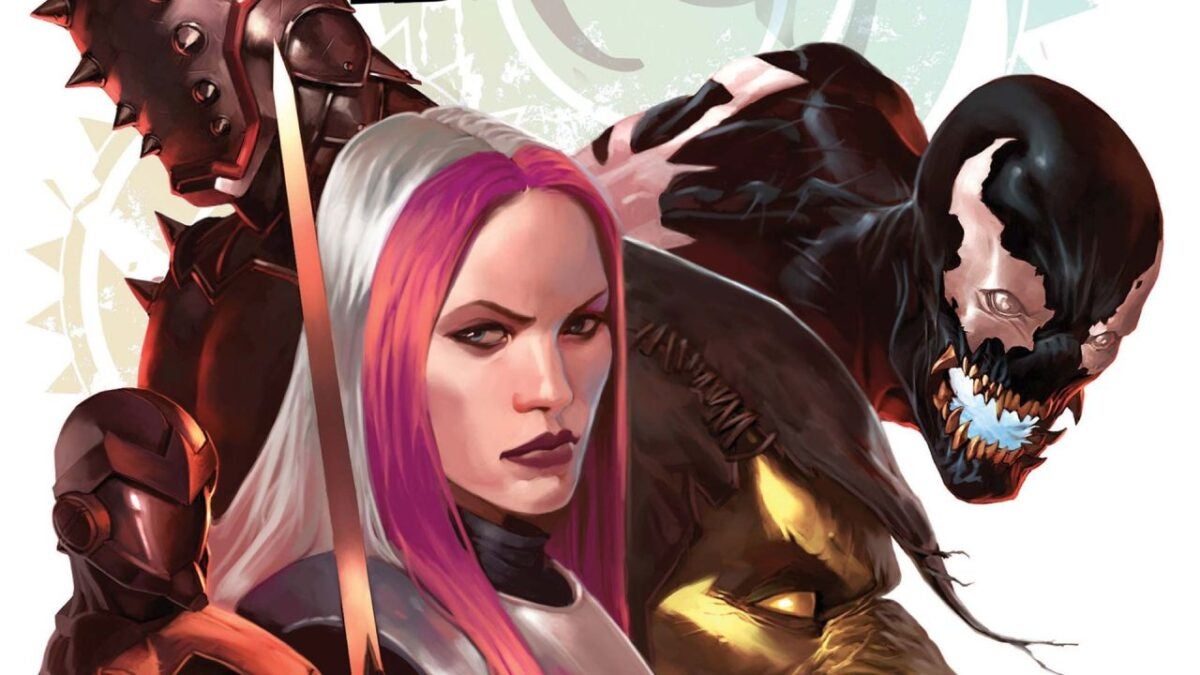
With a script by Warren Ellis (one of the best comic book writers in history) and art by Mike Deodato Jr., this stage is set after the original Civil War, where the U.S. government creates a squad of controlled villains to hunt down unregistered superheroes. The team, with unstable figures like Bullseye, Venom, and Moonstone, is led this time by Norman Osborn (the future Iron Patriot), whose megalomania and psychological manipulation set the tone for this saga.

Despite the fact that its formation is not similar at all, this version is probably the closest to what we will see in the MCU. The concept of “official missions” with government pawns, led by an ambiguous figure like Valentina, mimics the structure of this comic. Furthermore, the more serious, violent, and paranoid tone fits with the storyline that Marvel has been exploring lately.

Thunderbolts (2012) #1–32 – Antiheroes in Action

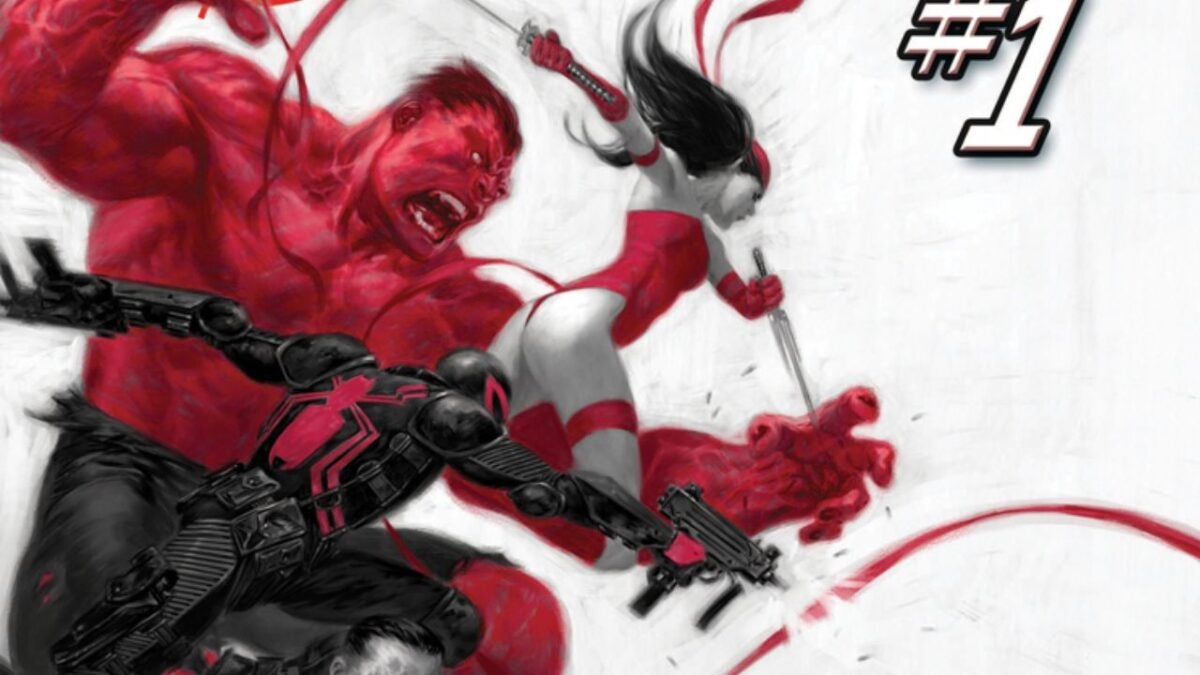
In this incarnation of the Thunderbolts, General Thunderbolt Ross (Red Hulk), whom we just saw in Captain America 4, recruits a team of assassins and anti-heroes: Punisher, Deadpool, Elektra, and Venom among others. With a less heroic vision than usual, the group carries out lethal missions that the Avengers could not tackle. Daniel Way and Steve Dillon give this stage a more adult tone, with explicit violence and extreme ethical dilemmas. Still, it does not reach the level of the 2006 version.

This comic seems essential for understanding the team’s philosophy in its most pragmatic and brutal version. Ross’s leadership could be reflected in Bucky Barnes’s role in the movie, who seems to take on a general’s position with reservations.

Thunderbolts (2023) #1 – The Return of Bucky Barnes

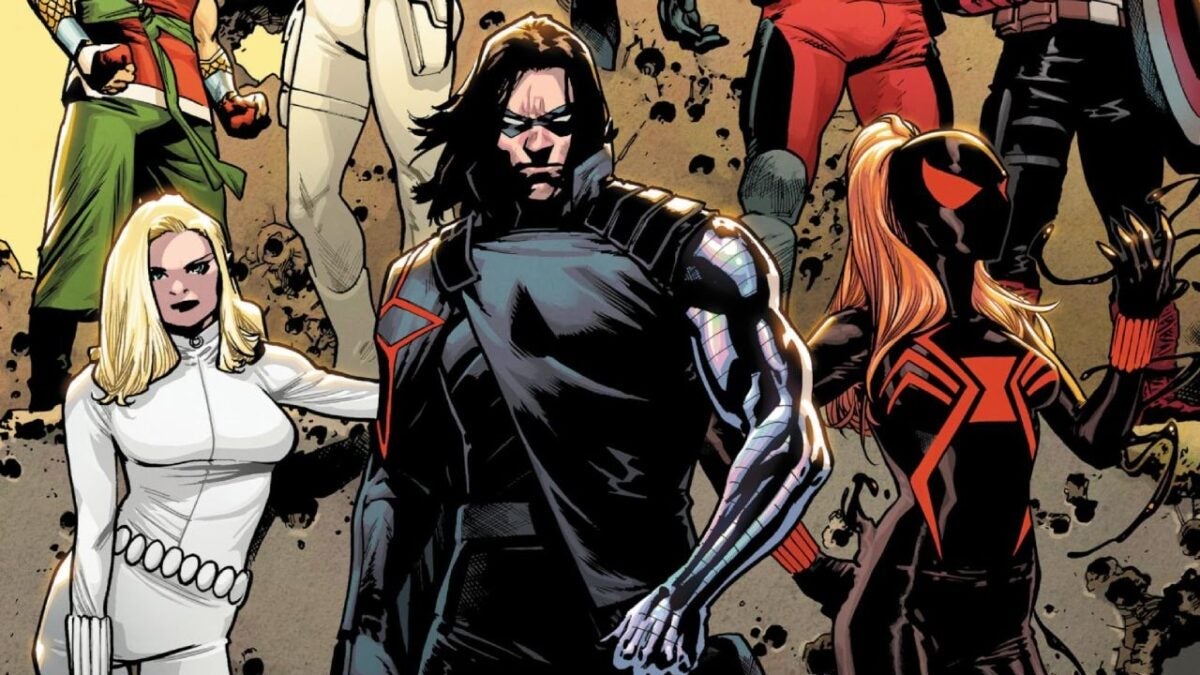
Undoubtedly, this is the comic that has served as inspiration for the movie we will see soon. Both Bucky and Yelena are central characters in both versions, and their dark and tactical approach seems a logical continuation of what we saw in both The Falcon and the Winter Soldier and Black Widow.

Written by Collin Kelly and Jackson Lanzing, in this version of the Thunderbolts we see how Bucky Barnes leads a new team that is tasked with dismantling corrupt power networks in the Marvel universe. It is a more cerebral and strategic comic than the others, though no less intense for it.

Avengers/Thunderbolts (2004) #1–6 – Clash of Ideals

This miniseries written by Kurt Busiek and Fabian Nicieza pits the Thunderbolts against the very Avengers… something we might possibly see in theaters (if Doctor Doom allows it). The conflict is similar to that of Captain America and Iron Man in Civil War. While the Avengers doubt the intentions of the group, the Thunderbolts fight to prove that not every villain is doomed to perdition.

Clearly, Marvel Studios will take the characters to their own territory (and will leave us with a notable death or two). However, all these comics can serve to learn more about Marvel’s Suicide Squad. A supergroup with very little super and a lot of hero.

Author Juan Carlos SalozPosted on April 30, 2025July 1, 2025Categories News

Working with Motion Graphics is easier than ever thanks to Adobe After Effects' AI

Although being a Motion Grapher and animator is a creative and fun job, it can also be exhausting. Achieving good results often means long hours of waiting for rendering, extensive processes, and detailed optimizations. Fortunately, for years motion graphers have had a great ally: Adobe After Effects. This animation and Motion Graphics software has become an essential tool thanks to its constant evolution and technological improvements. Now, with the arrival of Artificial Intelligence, After Effects is experiencing a true revolution. Since Adobe began incorporating AI into its programs, animators […]

Although being a Motion Grapher and animator is a creative and fun job, it can also be exhausting. Achieving good results often means long hours of waiting for rendering, extensive processes, and detailed optimizations. Fortunately, for years motion graphers have had a great ally: Adobe After Effects.

Adobe After Effects
Adobe After Effects Download

This animation and Motion Graphics software has become an essential tool thanks to its constant evolution and improvements in technology. Now, with the arrival of Artificial Intelligence, After Effects is experiencing a true revolution. Since Adobe began incorporating AI into its programs, animators have been able to create more spectacular motion graphics in less time. And with the release of After Effects 2025, this transformation has reached a completely new level.

A huge leap in quality in After Effects

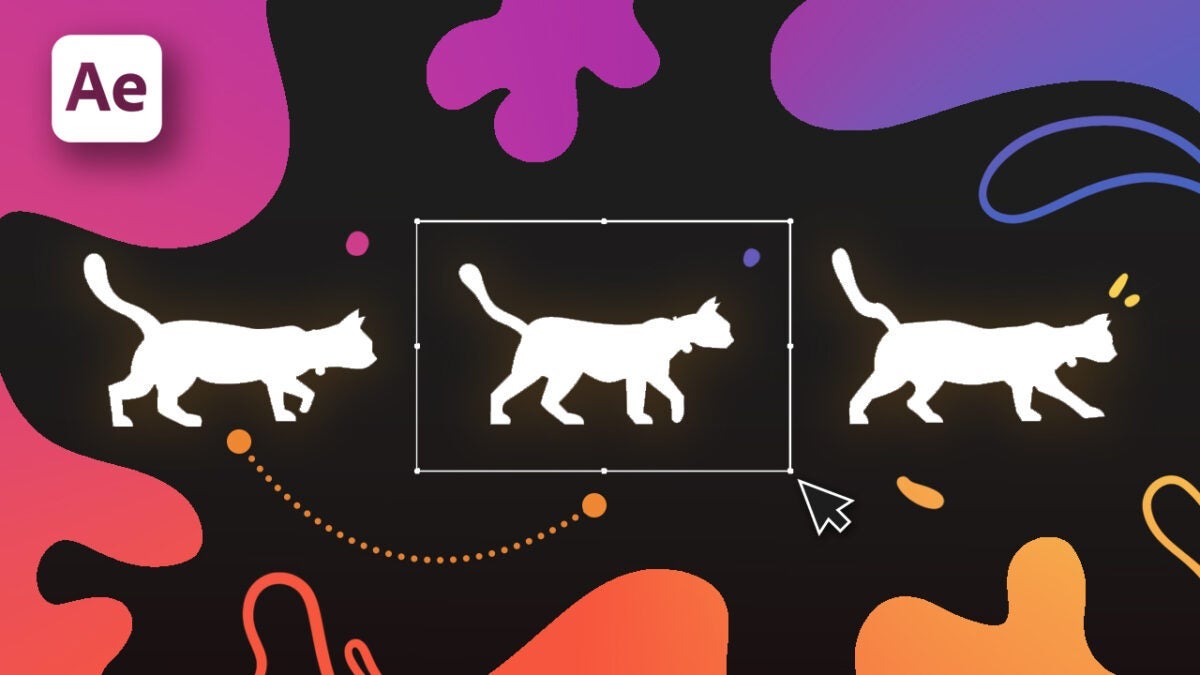
One of the most impressive advancements in After Effects 2025 is the incorporation of automatic keyframing. Thanks to AI, the software can now analyze the movement of objects and generate keyframes on its own, adjusting the animation to look smoother and more natural. This allows creators to save long hours of manual work, leaving behind the more tedious processes to focus on what really matters.

In addition, this tool not only automates the process but also allows for customization. Although the keyframes are generated automatically, animators can easily modify the smoothness of the movement and choose between more realistic animations or different styles with a single click. This makes animation faster, more flexible, and accessible for all types of creators.

Another great new feature of After Effects 2025 is smart object tracking. Thanks to advanced deep learning algorithms, the latest version of the program allows you to automatically identify and track complex objects with unprecedented accuracy. This even applies to environments with variable lighting (that quickly shifts from dark to very bright) or with sudden camera movements. Thus, it can even be applied in graphics for live recordings.

One of the most impressive improvements is that multiple objects can now be tracked simultaneously without affecting the program’s performance. This is especially useful in sports videos, music video clips, or advertisements, where the pace is fast and eye-catching effects are needed without consuming too many resources.

Adobe After Effects
Adobe After Effects Download

Discover everything you can do with After Effects 2025

The other great function of AI applied to Adobe After Effects is the creation of generative effects. While this was something that could already be used in previous versions of the software, the new update has greatly expanded its catalog. Now, you can apply instant transitions, advanced textures, and all kinds of effects with just a few clicks, achieving unique animations without the need for advanced knowledge.

The current library of generative effects from Adobe is huge, but the best part is that they are fully customizable. Designers can customize each effect with detailed parameters. Additionally, AI can analyze the video content and automatically suggest effects that integrate naturally with the scene. This way, you can achieve great creations in seconds.

But what motion graphic designers will appreciate the most about the latest software update is the significant improvement they have added to performance. Adobe has completely rethought the architecture of After Effects, which has allowed for much faster processing of previews and renders.

Now, the program makes better use of the latest generation graphics cards, allowing for real-time animations without delays. Additionally, memory management has been improved, making it possible to work with more complex compositions without affecting the performance of the equipment.

Adobe After Effects
Adobe After Effects Download

In short, Adobe After Effects has done it again. Thanks to advanced AI, it has made a significant leap in quality, making it easier and faster than ever to create amazing animations. If you are passionate about Motion Graphics or want to start in this world, After Effects 2025 offers you the best tools to focus on what matters most: being creative and taking your projects to the next level.

Author Juan Carlos SalozPosted on April 29, 2025July 1, 2025Categories News

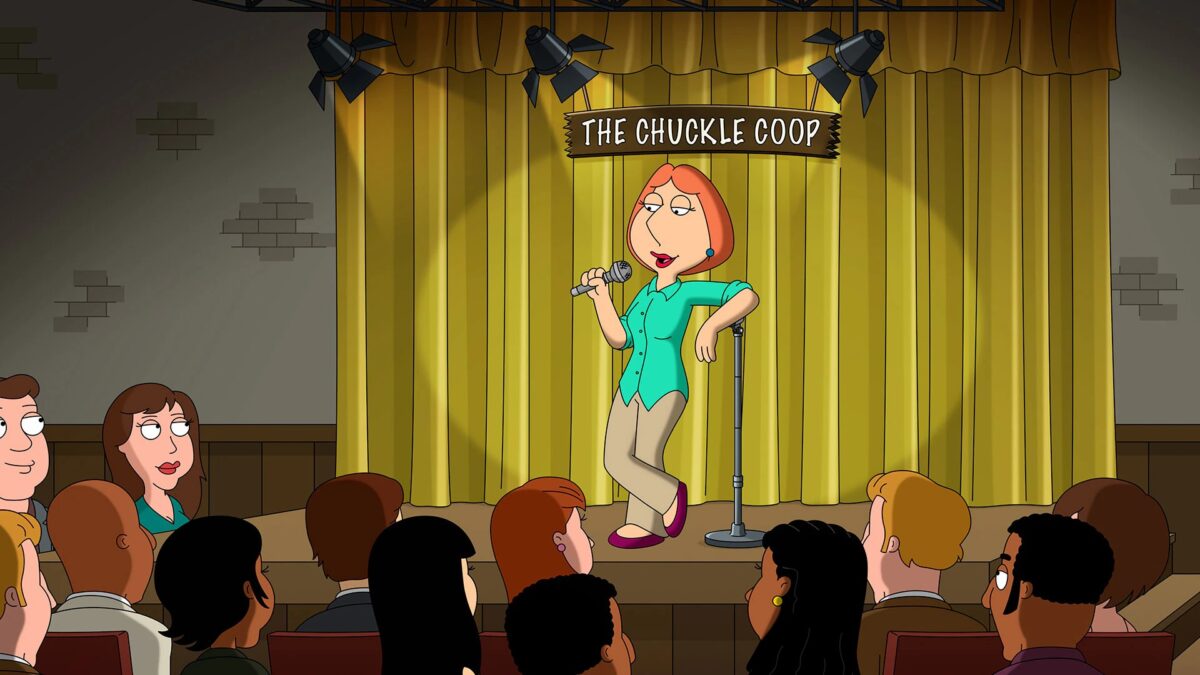
Family Guy has already reached its 23rd season, but is it still a relevant show?

“It seems today that all you see is violence in movies and sex on TV…” If you couldn’t help but hum this melody, it’s clear that back in the day you were one of the big fans of Family Guy around the world. But you just have to take a look at the lyrics of the theme song to realize that… it’s a series VERY much from the last decade. Or even from two decades ago. Seriously, does anyone care today about sex on TV or violence in movies? Well, […]
Family Guy has already reached its 23rd season, but is it still a relevant show?

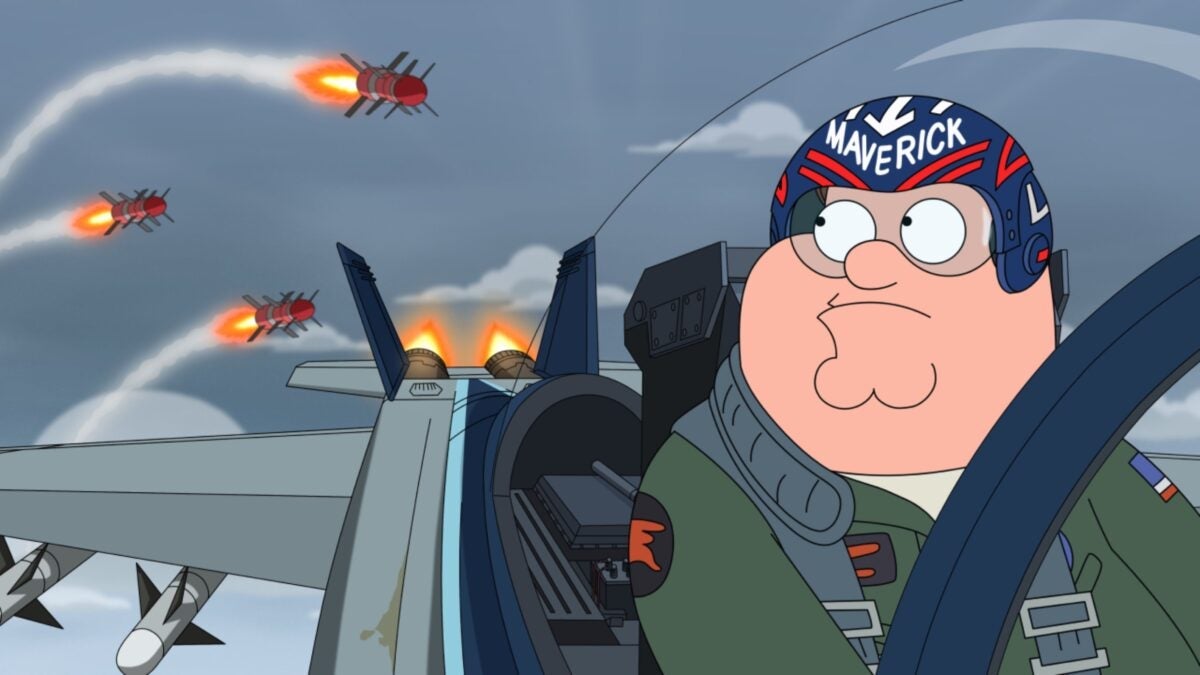
“It seems today that all you see is violence in movies and sex on TV…”. If you couldn’t help but hum this melody, it’s clear that back in the day you were one of the big fans of Family Guy around the world. But you only have to take a look at the lyrics of the theme song to realize that… it is a series VERY much from the last decade. Or even two decades ago. Seriously, does anyone care today about sex on TV or violence in movies?
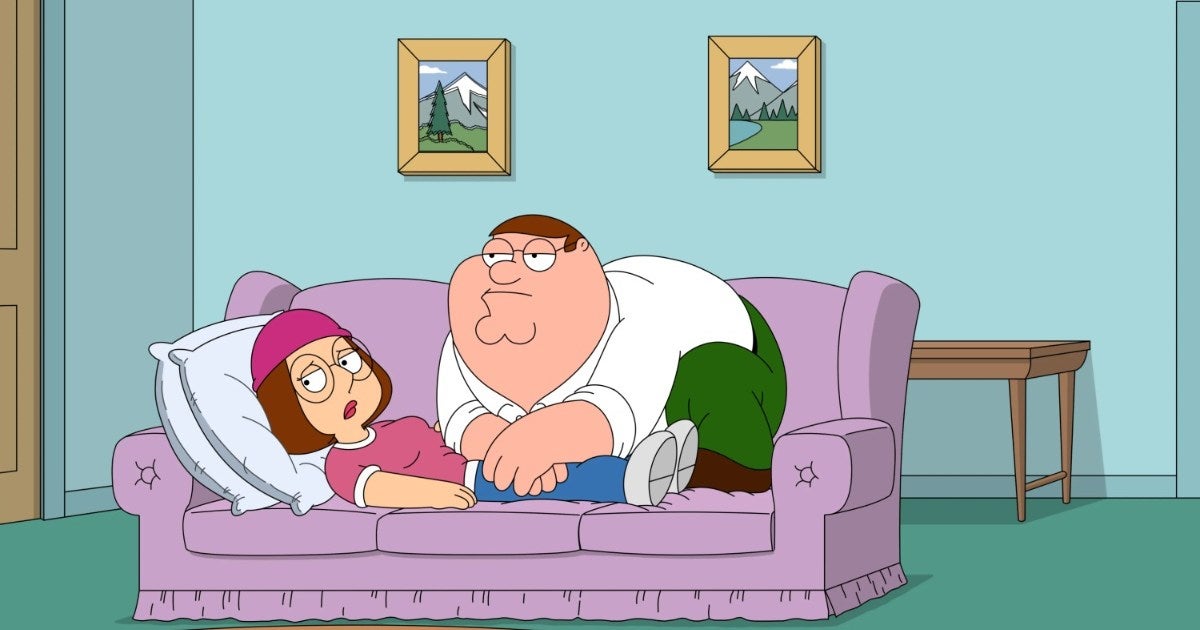
Well, in case you didn’t know, on April 2nd, Disney Plus premiered season 23 of Family Guy. Yes, I know what you’re thinking: it’s following the path of The Simpsons, determined to never die. But while the latter has tried to adapt to the new times, what has happened to Family Guy? Not to mention it still has the same theme song… and the episodes haven’t evolved much in their narrative. So the question, inevitable after so many years and so many changes in the audiovisual landscape, is clear: is Family Guy still relevant?

When being politically incorrect was fun

To understand the relevance of Family Guy in our times, we must go back to its initial success. Premiering in 1999 on Fox, the series was at the time a breath of fresh air (although for many, rather toxic) within the universe of animated sitcoms.

Seth MacFarlane, its creator, embraced the tradition of family satire popularized by The Simpsons, but infused it with unapologetic cynicism, dark humor, aggressive parodies, and a structure that broke with conventional narrative. In Family Guy, the characters were not afraid to jump from one scene to another based on gags that were often absurd (yes, we are thinking of the legendary giant chicken scene) or pop references that spanned decades of American culture.

With nothing similar and no one daring to go that far… except for South Park, Family Guy had a massive initial success. However, it was canceled after its third season, you can imagine the reasons. But its success was so great that Fox revived it in 2005, thanks to the impressive performance of its DVDs and its reruns on Adult Swim.

Family Guy has become a reference point rather than just something to consider. Series like American Dad and The Cleveland Show (both also created by MacFarlane), Rick and Morty, Big Mouth, or Solar Opposites would not exist without it. Its irreverent tone, based on cynical humor, and its disdain for correctness made it have a loyal and devoted audience. However, that same tone has also been its Achilles’ heel: while The Simpsons has managed to maintain a certain warmth and empathy, Family Guy has always embraced misanthropy, making it less endearing and more disposable.

After watching some episodes of this season 23, the feeling left by the series is that it has become trapped in its own formula. The gags are still there, the cultural references continue at a good pace, but there is an evident lack of thematic or focus renewal. The narrative has not changed… and even less so the characters. Everything is designed for longtime fans to feel comfortable… but it is completely out of place in 2025.

The problem is not that Family Guy doesn’t know how to make you laugh, but that it no longer feels like a relevant series. In a world where there are gems like BoJack Horseman, which speak directly about fame or mental health, the repetitive humor of Family Guy feels completely anachronistic. Not because it has lost its essence, but because the world has changed and the series has not wanted to change with it.

Author Juan Carlos SalozPosted on April 29, 2025July 1, 2025Categories News

Why you should read this incredible science fiction comic before Netflix releases its series

Streaming platforms continue to fight with their best weapons to have the best current science fiction content. While Apple TV+ bets on cerebral and slow sci-fi with proposals like Severance or Foundation, and Max makes safer bets with big IPs like The Last of Us, Netflix is waging its own war with risky but very interesting adaptations. Last year we saw this very clearly with The Three-Body Problem, and this year we received the (completely forgettable) Electric State. El Eternauta is Netflix’s biggest bet on science fiction this year But […]

Why you should read this incredible science fiction comic before Netflix releases its series

Streaming platforms continue to fight with their best weapons to have the best current science fiction content. While Apple TV+ bets on cerebral and slow sci-fi with proposals like Severance or Foundation, and Max makes safer bets with big IPs like The Last of Us, Netflix is waging its own war with risky but very interesting adaptations. Last year, we saw this clearly with The Three-Body Problem, and this year we received the (completely forgettable) Electric State.

The Eternaut is Netflix’s biggest bet on science fiction this year

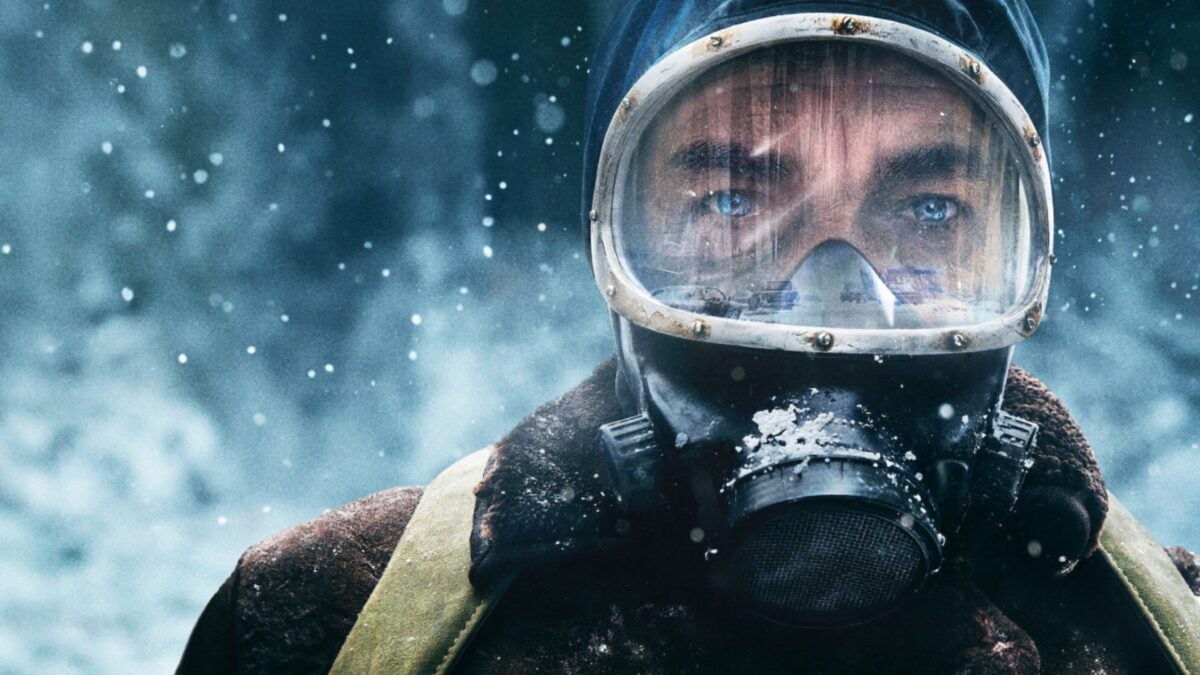
But on April 30, Netflix premieres a series that, this time, can truly capture the interest of its entire audience: El Eternauta. After the impact of the adaptation of One Hundred Years of Solitude, the platform once again looks to Latin America with ambition, this time with a work that, although less known internationally, is a fundamental pillar of Argentine culture and of science fiction comics worldwide. Starring Ricardo Darín and directed by Bruno Stagnaro, the series promises a spectacular production, but also a dense, political, and existential narrative.
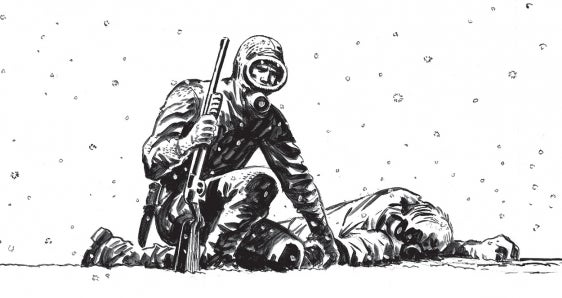
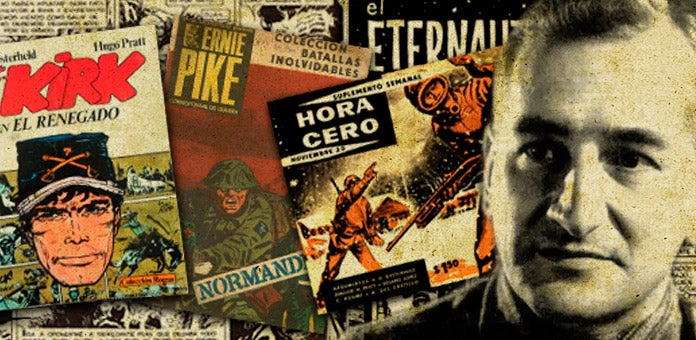
However, before we see what Netflix has done with this comic —which can be as good as it is disastrous— let’s pause and take a look at its original comic. Because, no matter what happens with the platform, this work is a marvel that deserves to be read. Especially if you know the story of its author.
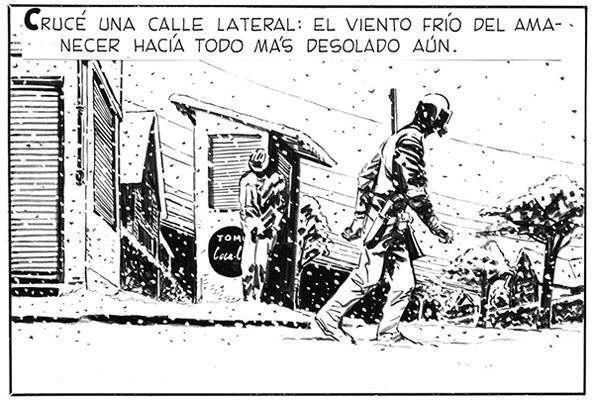
Originally published between 1957 and 1959 in the magazine Hora Cero Semanal, the comic of El Eternauta tells the story of Juan Salvo, an ordinary man who narrates, from a distant future, a traumatic experience that occurred in Buenos Aires: a lethal snowfall begins to fall over the city, instantly killing everyone it touches.

The protagonist, along with his wife, daughter, and a small group of neighbors, barricades themselves in their home and improvises protective suits to survive. But what starts as a story of catastrophe soon evolves into an epic of resistance against a multi-layered alien invasion, with increasingly bewildering enemies. The message is clear: heroism is never individual, but collective. In other words, only by organizing as a community can you resist the inhuman. Did someone say communism?

The tragic story behind El Eternauta

Of course, this concept of resistance was not casual. Its screenwriter, Héctor Germán Oesterheld, was passionate about science fiction, but also an intellectual deeply committed to humanist values. Born in Buenos Aires in 1919, Oesterheld trained as a geologist, but from a young age he turned to writing, first as an adventure writer and later as a comic book screenwriter. His style was characterized by a sensitivity very unusual in the genre: his characters were vulnerable, ethical, more concerned about others than themselves. Instead of being muscular heroes in the American style, Oesterheld proposed deeply human figures, often defeated by the system… but never surrendered to it.

The Eternaut was a brutal phenomenon in Argentina, especially in the years following its publication. However, the author’s life would take a dark turn during the 70s. As the country sank into increasing political instability and then into a fierce dictatorship, Oesterheld radicalized his activism. He got closer to the guerrilla organization Montoneros, for which he began to write pamphlets, speeches, and political documents. In parallel, he wrote a second part of The Eternaut, more raw, more explicitly political, in which Juan Salvo was no longer fleeing from the invasion: he was leading a revolution against an oppressive regime.

It was his way of leaving a record of his thoughts in the midst of terror. But that bravery had fatal consequences. In 1977, Oesterheld was kidnapped by the military dictatorship. He was 57 years old. He was last seen in a clandestine detention center, according to testimonies, still writing, still resisting. His body was never found. Before him, his four daughters had already disappeared —Estela, Diana, Marina, and Beatriz— all activists, all murdered by the regime along with three of their husbands. Only his wife, Elsa, survived to tell the tale.

The fact that a science fiction comic was written by a man who disappeared due to his thoughts is, in itself, striking. But El Eternauta not only survives as a cultural object loaded with history. It does so, above all, because it is an incredibly well-written, structured, and thought-out work. Because its story of an invasion from above —that white, silent, and lethal snowfall— can be read as an allegory of any type of oppression: colonial, dictatorial, and even climatic. And because the characters are not superheroes, but ordinary people fighting to stay alive.

We still don’t know how the series will turn out —with Netflix, you never know—, but if its popularity helps to raise awareness of the comic and the story of Oesterheld, it will have been worth it.

Author Juan Carlos SalozPosted on April 28, 2025July 1, 2025Categories News

Posts pagination

Previous page Page 1 Page 2 Page 3 … Page 208 Next page

Recent Posts

  • The Helldivers movie has a director who is known for being fast and furious
  • Batman’s most stubborn villain receives the first trailer for his imminent movie
  • Warner Bros. sets a release date for the sequel to La Llorona and the anticipated spin-off of Weapons
  • Dune: part three shows its first images
  • The first trailer for the new installment of the Evil Dead franchise is presented during CinemaCon

Archives

  • April 2026
  • March 2026
  • February 2026
  • January 2026
  • December 2025
  • November 2025
  • October 2025
  • September 2025
  • August 2025
  • July 2025
  • June 2025
  • May 2025
  • April 2025
  • March 2025
  • February 2025
  • January 2025
  • December 2024
  • November 2024
  • October 2024
  • September 2024
  • August 2024
  • July 2024
  • June 2024
  • May 2024
  • April 2024
  • March 2024
  • February 2024
  • January 2024
  • December 2023
  • November 2023
  • October 2023
  • September 2023
  • August 2023
  • July 2023
  • June 2023
  • May 2023
  • April 2023
  • March 2023
  • February 2023
  • January 2023
  • December 2022
  • November 2022
  • October 2022
  • September 2022
  • August 2022
  • July 2022
  • June 2022
  • May 2022
  • April 2022
  • March 2022
  • February 2022
  • January 2022
  • December 2021
  • November 2021
  • October 2021
  • September 2021
  • August 2021
  • July 2021
  • June 2021
  • May 2021
  • April 2021
  • March 2021
  • February 2021
  • January 2021
  • December 2020
  • November 2020
  • October 2020
  • September 2020
  • August 2020
  • July 2020
  • June 2020
  • May 2020
  • April 2020
  • March 2020
  • February 2020
  • January 2020
  • December 2019
  • November 2019
  • October 2019
  • September 2019
  • August 2019
  • July 2019
  • June 2019
  • May 2019
  • April 2019
  • March 2019
  • February 2019
  • January 2019
  • December 2018
  • November 2018
  • October 2018
  • September 2018
  • August 2018
  • July 2018
  • June 2018
  • May 2018
  • April 2018
  • March 2018
  • February 2018
  • January 2018
  • December 2017
  • November 2017
  • October 2017
  • September 2017
  • August 2017
  • July 2017
  • June 2017
  • May 2017
  • April 2017
  • March 2017
  • February 2017
  • January 2017
  • December 2016
  • November 2016
  • October 2016
  • September 2016
  • August 2016
  • July 2016
  • June 2016
  • May 2016
  • April 2016
  • March 2016
  • February 2016
  • January 2016
  • December 2015
  • November 2015
  • October 2015
  • September 2015
  • August 2015
  • July 2015
  • June 2015
  • May 2015
  • April 2015
  • March 2015
  • February 2015
  • January 2015
  • December 2014
  • November 2014
  • October 2014
  • September 2014
  • August 2014
  • July 2014
  • June 2014
  • May 2014
  • April 2014
  • March 2014
  • February 2014
  • January 2014
  • December 2013
  • November 2013
  • October 2013
  • September 2013
  • August 2013
  • July 2013
  • June 2013
  • May 2013
  • April 2013
  • March 2013
  • February 2013
  • January 2013
  • December 2012
  • November 2012
  • October 2012
  • September 2012
  • August 2012
  • July 2012
  • June 2012
  • May 2012
  • April 2012
  • March 2012
  • February 2012
  • January 2012
  • December 2011
  • November 2011
  • October 2011
  • September 2011
  • August 2011
  • July 2011
  • June 2011
  • May 2011
  • April 2011
  • March 2011
  • February 2011
  • January 2011
  • December 2010
  • November 2010
  • October 2010
  • September 2010
  • August 2010
  • July 2010
  • June 2010
  • May 2010
  • April 2010
  • March 2010
  • February 2010
  • January 2010
  • December 2009
  • November 2009
  • October 2009
  • September 2009
  • August 2009
  • July 2009
  • June 2009
  • May 2009
  • April 2009
  • March 2009
  • February 2009
  • January 2009
  • December 2008
  • November 2008
  • October 2008
  • September 2008
  • August 2008
  • July 2008
  • June 2008
  • May 2008
  • April 2008
  • March 2008
  • February 2008
  • January 2008
  • December 2007
  • November 2007
  • October 2007
  • September 2007
  • August 2007
  • July 2007
  • June 2007
  • May 2007
  • April 2007
  • March 2007
  • February 2007
  • January 2007
  • December 2006
  • November 2006
  • September 2006
  • August 2006
  • June 2006
  • May 2006
  • July 2001
  • January 2001
  • November 2000
  • September 2000
  • August 2000
  • July 2000
  • April 2000
  • March 2000

Categories

  • Affiliate post
  • Expert Review
  • Gaming
  • Guides
  • How to
  • Legacy how To
  • News
  • Noticias
  • Software>Security
  • Sponsored
  • Trucos y Consejos
  • Uncategorized
  • Windows software

Meta

  • Log in
  • Entries feed
  • Comments feed
  • WordPress.org
Softonic English Proudly powered by WordPress