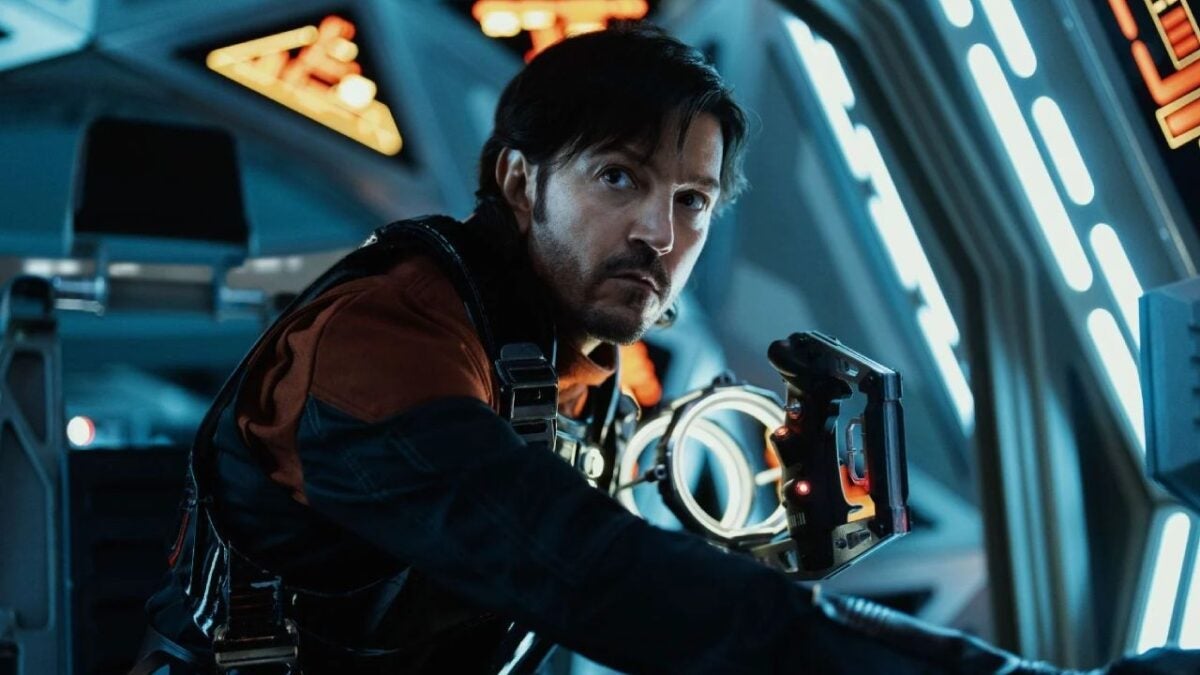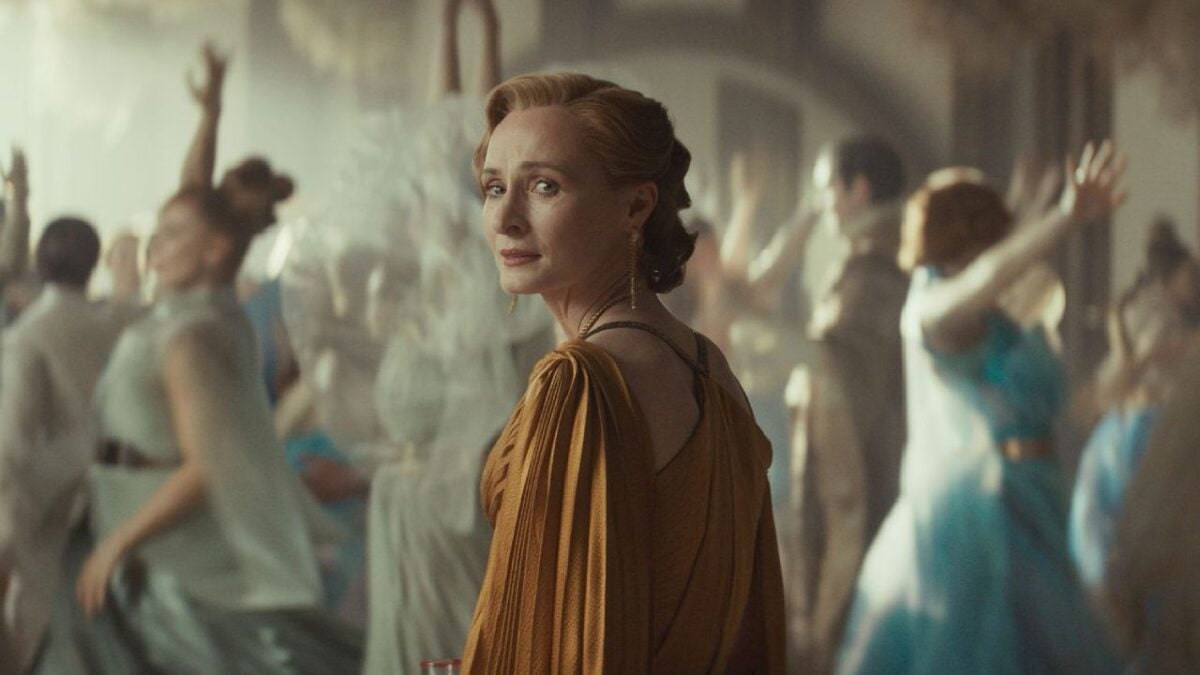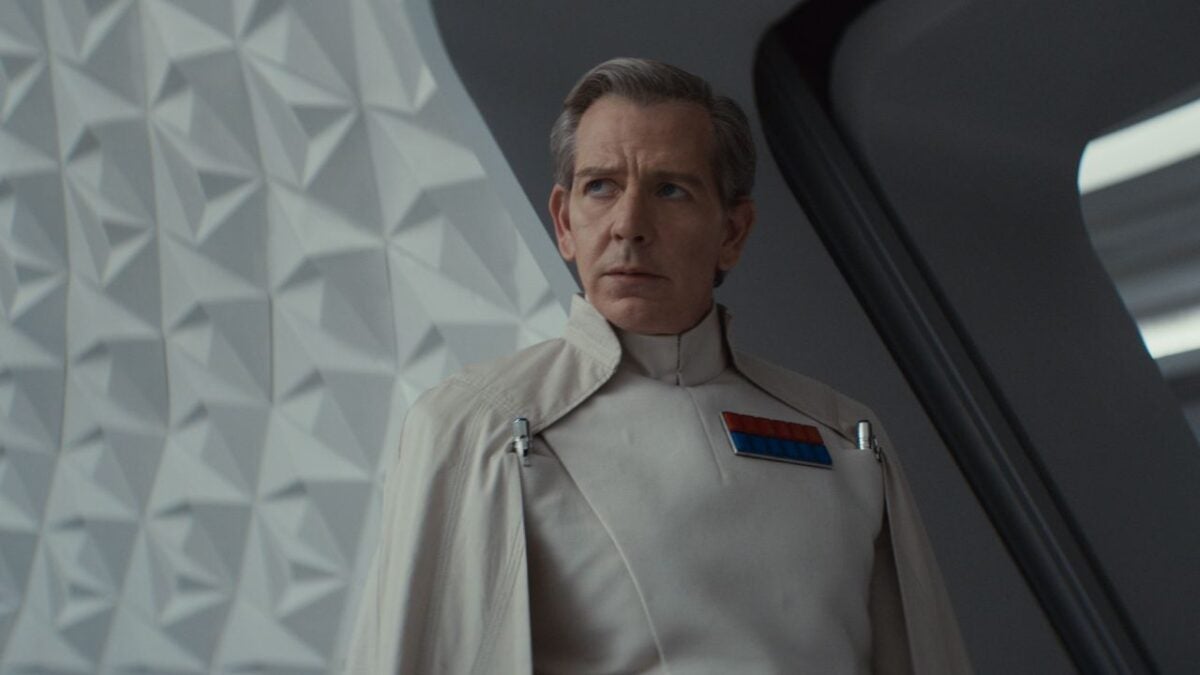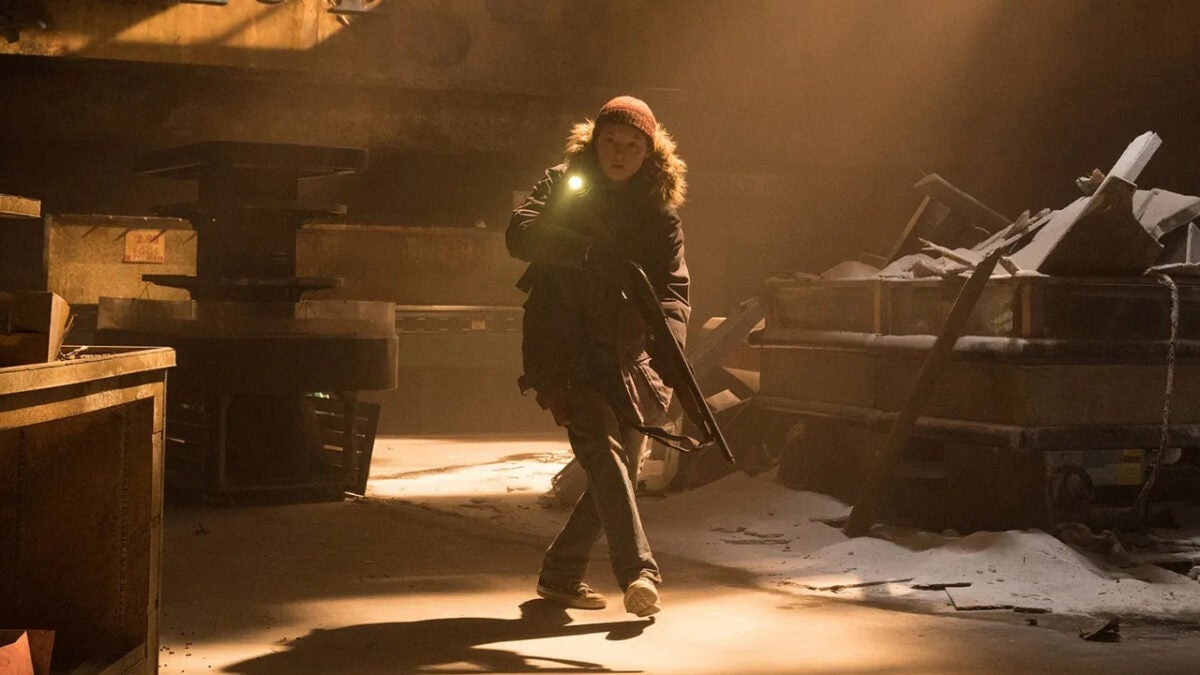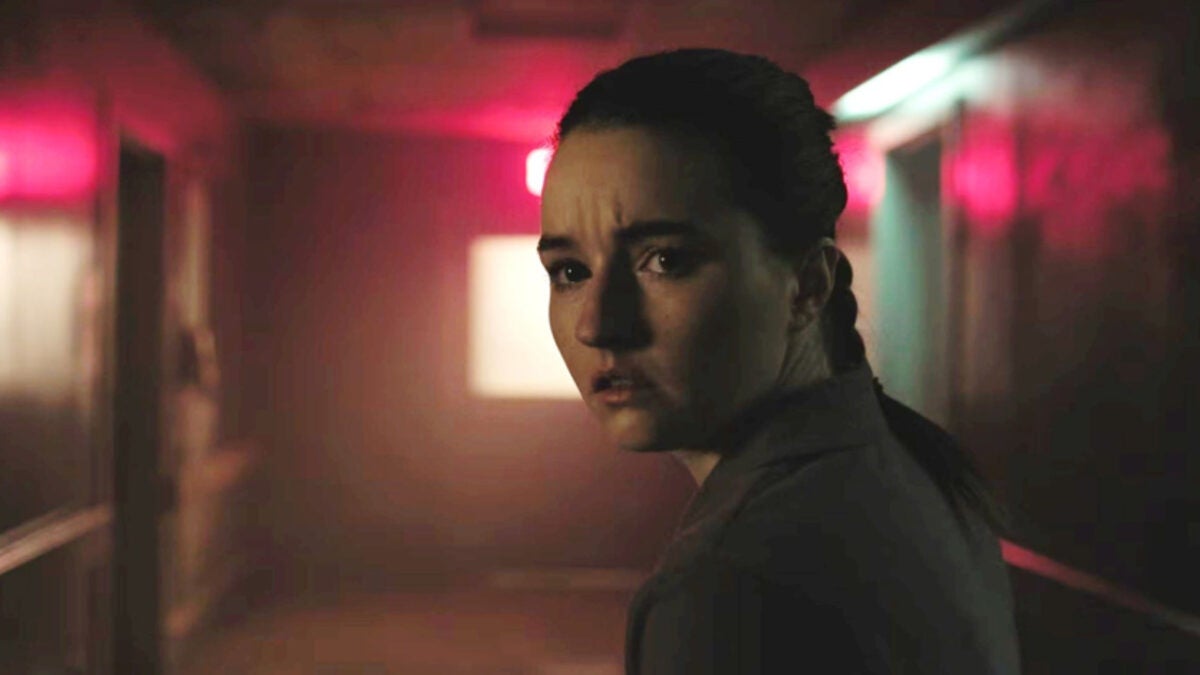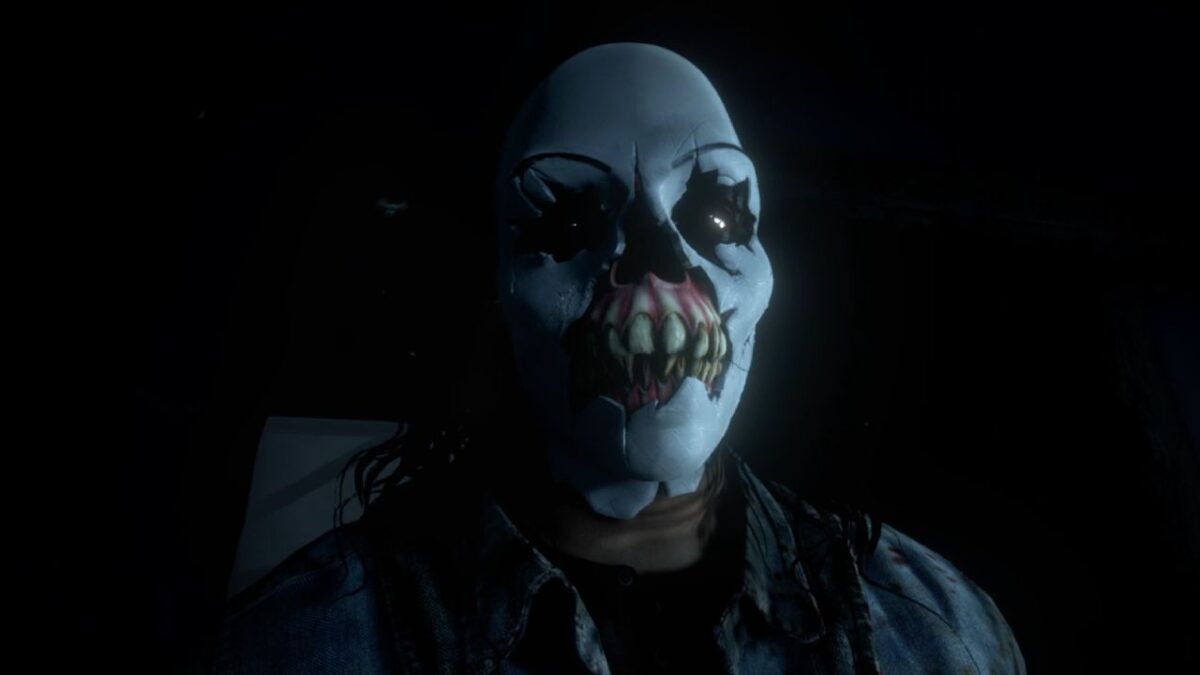
Until Dawn has just hit theaters, the highly anticipated film adaptation of the 2015 horror video game. At the time, Until Dawn marked a turning point thanks to its original gameplay and immersive story. However, nine years have passed since then, so it remains to be seen to what extent the movie will resonate with fans who enjoyed the game back in the day.
It is still early to measure the reception of the critics, although we can give you a little spoiler: it doesn’t seem like it will be the horror movie of the year. Its director, David F. Sandberg (Shazam!, Annabelle: Creation), seemed like a more than interesting choice to bring the slasher and supernatural universe of the game to the big screen. But the first comments suggest that, rather than a revolutionary work, it is an entertaining homage, albeit somewhat generic and lacking the substance it would need. Be that as it may, its release is serving to bring Until Dawn back into the cultural conversation. So the question is obvious: is it worth replaying the original title in 2025?
The slasher that turned the player into executioner (or victim)
When Until Dawn arrived on PlayStation 4 in 2015, it came as a breath of fresh air in the world of interactive horror. Although it was released without much fanfare, its proposal captivated many and the word of mouth turned the game into a huge success. The reason? It was a full-fledged cinematic experience. In addition to being incredibly fun and endlessly replayable.
The premise of the game was as basic as that of The Texas Chainsaw Massacre: a group of young people gets trapped in a remote cabin in the mountains, stalked by an unknown threat. Come on, it was just another slasher like the ones we can see in theaters… but with a key twist that made it unique: here you are the one who controls the fate of the characters. And without too much awareness of them.
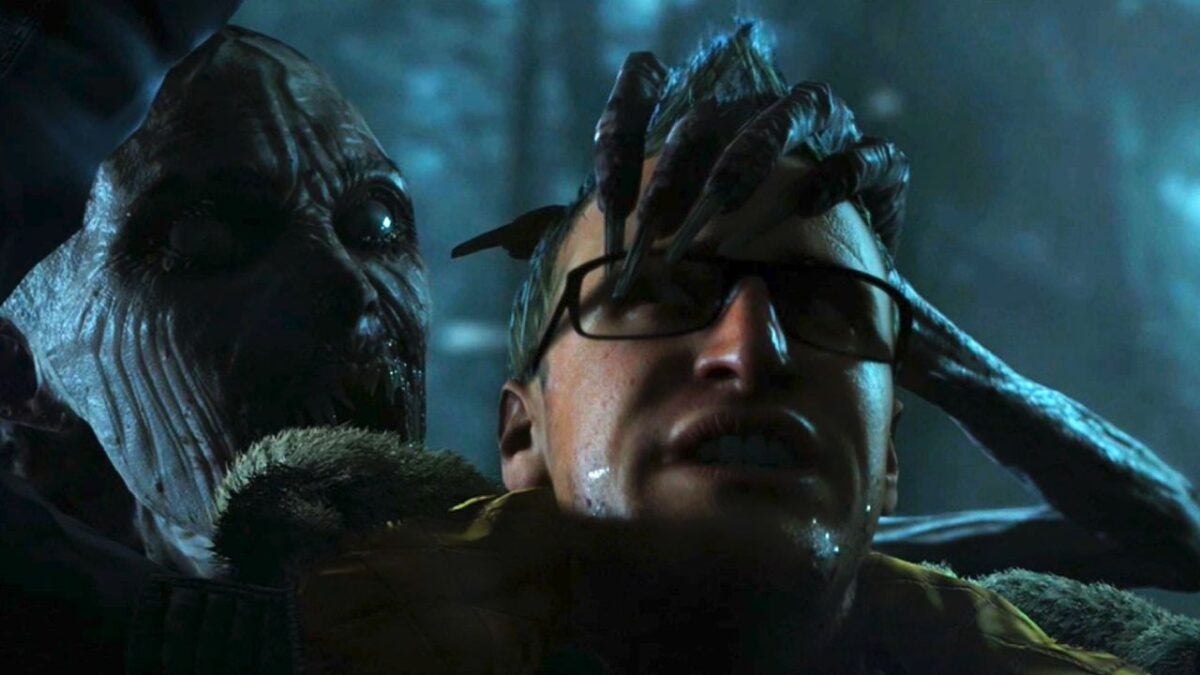
At a time when David Cage’s games like Beyond: Two Souls or Heavy Rain were on everyone’s lips, along with the brutal impact that Life is Strange had a few months earlier, Until Dawn was the perfect compendium of this decision-making system and pure terror. It was all based on the famous “butterfly effect,” a mechanic that turned every player decision —no matter how small— into a potential trigger for dramatic consequences.
This led to the most surprising destinations. By taking one path or another, you either saved a life or ended it. Moreover, the decisions became increasingly important: Do you help your friend or save your own skin? Do you trust someone who seems innocent or leave them behind? Every choice could mean the life or death of one of the characters, and the most brilliant aspect of the game was that absolutely everyone could die… or survive.
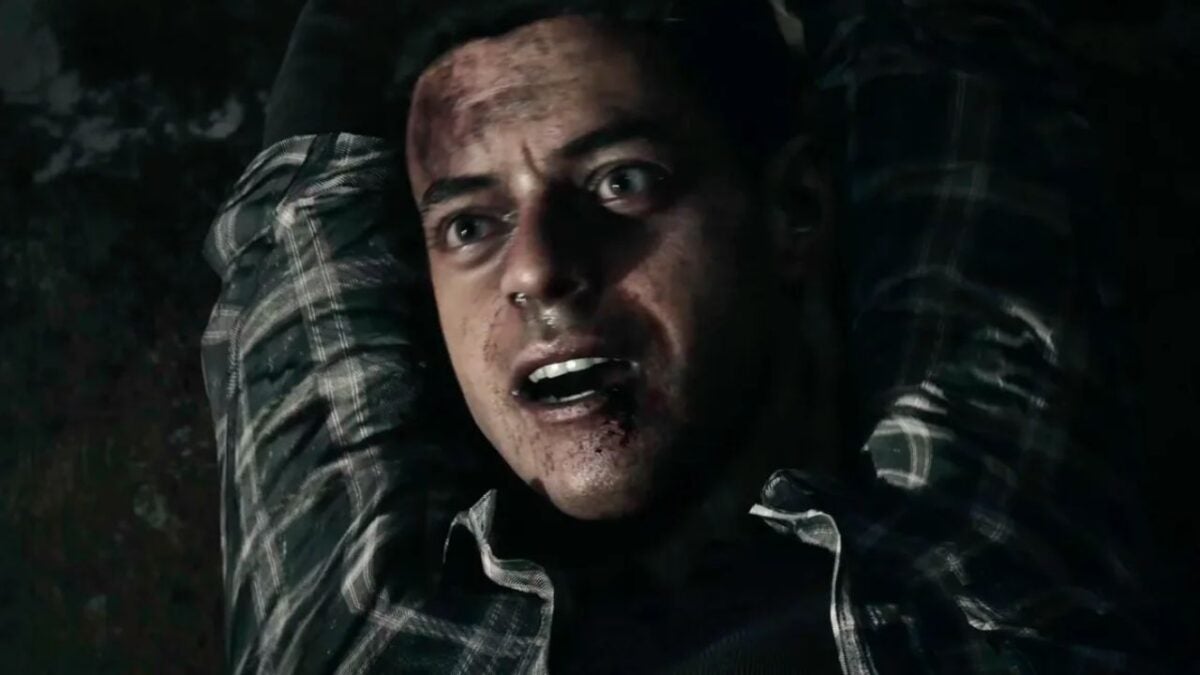
Its cinematic character was enhanced by its surprising cast. Rami Malek appeared as the lead (yes, the one from Mr. Robot and Bohemian Rhapsody), but there were also figures like Hayden Panettiere and Brett Dalton. A cast, honestly, much better than that of David F. Sandberg’s movie.
But is it worth playing it today? Unfortunately, and like all cutting-edge products at a very specific moment, replaying Until Dawn today has a bittersweet taste. The good thing is that its terrifying atmosphere remains intact. But when we talk about its mechanics… that’s where things get complicated.
One of the most criticized elements when revisiting the game in 2025 is its controls. At the time, they were presented as part of the immersion: moving the controller to avoid making noise, responding quickly to QTEs (Quick Time Events), making decisions in seconds… But today, after years of refinement in narrative experiences, they feel more random than organic. At times, it feels like the game punishes you for not having guessed what it wanted from you at a specific moment. Some deaths seem inevitable or unfair, and the frustration couldn’t be greater.
There is always the possibility of playing the remake… but from here we strongly advise playing the original instead. Ballistic Moon, the studio behind the Until Dawn remake released in 2024, announced its closure after failing to find a publisher for its next project. Come on, the failure was notable… and you know what they say, sometimes it’s better to stick with the original, flaws and all, rather than with possible remakes or film adaptations.