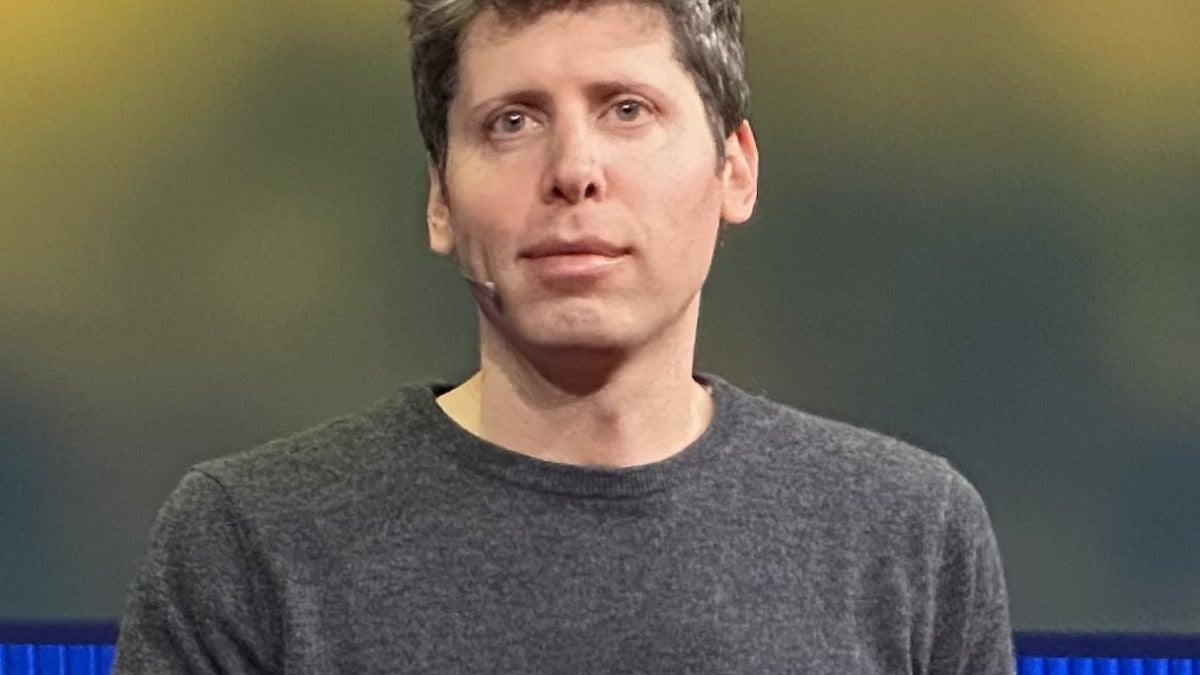
Sam Altman has launched Daybreak, a software-led program for U.S. utilities meant to shore up grid defenses against cyberattacks, severe weather, and steadily rising demand.

The focus is on electric-grid operators and other critical-infrastructure teams. Daybreak is supposed to help them sift through huge volumes of operational data, spot weak points across networks and substations, model cyber or physical disruptions, and catch anomalies sooner, so operators can act before a small software problem turns into an outage in dispatch, transmission, or field operations.
The timing makes sense. Utilities are already dealing with ransomware, warnings about foreign intrusions, more complicated digital control systems, storm and wildfire risk, electrification, power-hungry data centers, more renewable connections, cost pressure, and information scattered across legacy equipment, newer platforms, and outside contractors.
If you work in utility cybersecurity, grid planning, or emergency response, this is something to keep an eye on. Even then, utilities and regulators are still going to want answers on data handling, compliance, procurement, liability, long pilot programs, detailed security reviews, and tight limits on automation before they put real trust in Daybreak.
The pitch to U.S. power companies is pretty clear: Daybreak is being sold as an extra layer of resilience, not a replacement for the security systems they already have.