Android Auto comes to boats in 2027: Crest and Balise first

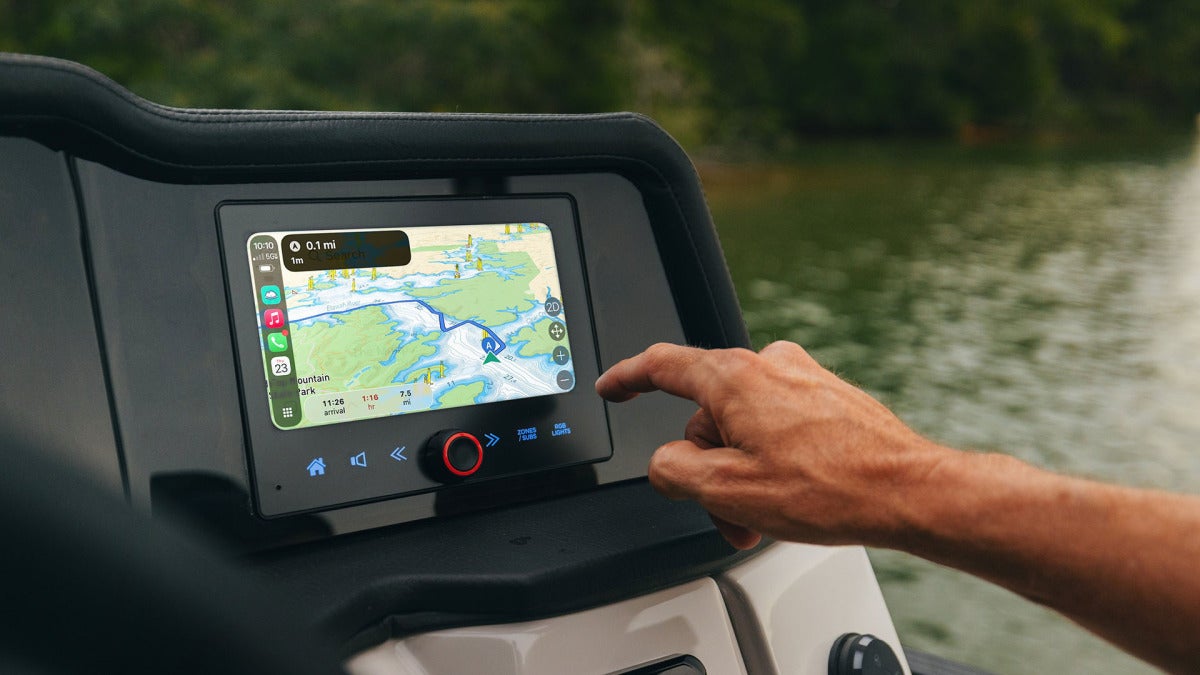
MasterCraft says Android Auto will come factory-installed on Crest and Balise production boats, starting with select 2027 Conquest and Caribbean models. Apple CarPlay is included too, along with on-water navigation.

Android Auto Download

The company says Crest and Balise are the first boat brands to offer factory-installed Android Auto and Apple CarPlay with marine navigation built in. The draw is pretty clear: a helm that feels a lot more familiar for navigation, music, calls, and messages, rather than the patchwork marine interfaces boaters often end up dealing with.

The navigation side runs through Savvy Navvy. That adds nautical charts, smart route planning, GPS tracking, live weather, and tidal data. Balise boats come with a one-year premium subscription, while Crest boats get one month. This is more than basic phone mirroring, and it fits boating a lot better than a straight carryover from the driving experience.

If you’re in the market for a new boat, this setup looks like something to watch. Aftermarket marine units have supported Android Auto and CarPlay for years, but having major production brands roll it out from the factory could make advanced helm systems feel a lot less intimidating. There are still some missing details, including pricing, display hardware, and how or when this will expand internationally.

It arrives on those select 2027 models as the marine electronics market is projected to grow from $6.77 billion in 2024 to more than $13 billion by 2034. Forecasts for the smart-boat market point the same way, rising from $40.6 billion in 2023 to $80.6 billion by 2033.

DuckDuckGo for iPhone adds Copy Clean Link: link tracking removal arrives

DuckDuckGo says its July iOS browser update for iPhone adds Copy Clean Link, a small privacy feature that strips tracking identifiers out of links before you copy and share them.

On iPhone, you trigger it by pressing and holding the address bar in DuckDuckGo’s browser. From there, you can copy a cleaned-up version of the current URL instead of the full one. The result is a shorter link that’s easier to read and less likely to carry tracking data into a text, an eMail, or a social post. DuckDuckGo says Copy Clean Link removes common link-decoration tags, including Meta’s fbclid, Google’s gclid, Microsoft’s msclkid, and UTM parameters. Apple’s WebKit team has described those parameters as one way trackers can establish identity across sites.

What this really changes is sharing. It doesn’t stop all tracking, because any data collection that happens when the page loads may have already happened by the time you copy the link. Copy Clean Link also doesn’t block cookies, scripts, or fingerprinting. And some parameters do have a real purpose, for things like logins, saved searches, language settings, or attribution. Still, privacy advocates say stripping them out can matter, especially if you’re dealing with sensitive information.

If you already use DuckDuckGo on your iPhone, this is a useful update to install. Similar tools are already available in Brave and Firefox, and Apple has its own Link Tracking Protection in Messages, Mail, and Safari Private Browsing. The broader privacy mood matters here too: 73% of U.S. adults feel they have little control over data collection, and 75% of consumers say they won’t buy from companies they don’t trust with their data. The feature is available now in DuckDuckGo’s July iOS browser update.

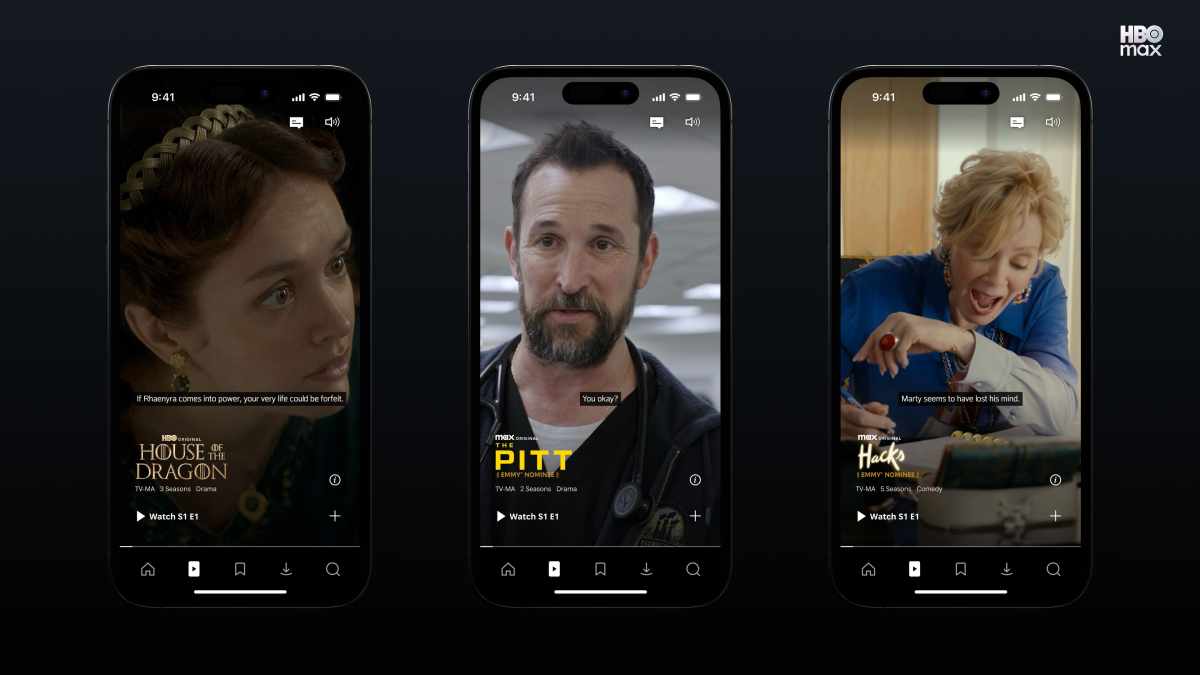
Max adds Shorts on iOS: a vertical feed for movies and TV

Max just added Shorts, a vertical video feed inside the app. You swipe through scenes from movies and TV shows, then jump straight into a title or save it to your watchlist.

The point is to make finding something in Max’s huge catalog feel less like work and more like scrolling TikTok or Instagram Reels. According to Warner Bros. Discovery, the full-screen clips are first picked by an in-house scene-selection tool, then reviewed and finalized by human editors, and right now the feature is only being tested with a limited group of U.S. iOS users.

That puts Max alongside Disney+ Verts, Amazon Prime Video Clips, and Netflix Fast Laughs. Streamers are moving past carousels, homepage takeovers, and ranking lists, and leaning harder into one-swipe pitches, especially since younger viewers more and more use social apps to figure out what they want to watch.

Max is also testing conversational search. So if you’d rather search by mood, theme, or a vague description than by an exact title, this broader push may be worth a look. Even so, LightShed Partners analysts say vertical clips might not be the strongest way to sell premium film and TV, and there’s still very little public data on engagement, completion, discovery gains, or any international rollout.

If you’re part of the current U.S. test, you can get Shorts through the Max iOS app, according to Warner Bros. Discovery.

Instagram now rolls out Replace Audio: change music on old posts

Instagram is starting to roll out Replace Audio, a feature that lets people swap the music on Instagram posts and carousels they’ve already published.

Instagram Download

Early user reports and demos suggest that changing the track doesn’t wipe out likes, comments, shares, or reach. That’s a big deal if the other option is deleting a post, reposting it from scratch, and losing the social proof and algorithm momentum it had already built.

For creators, influencers, and small businesses that lean on performance metrics for visibility, brand deals, or monetization, that matters. It also gives people a way to freshen up older content when trends move on, or when songs disappear because of licensing changes, muting, or copyright restrictions.

If you use Instagram music and want to keep a post’s engagement intact, this is the kind of update you’ll probably want to use as soon as you get access. Meta’s broader music rules still apply, though, which means some business accounts may only see a smaller royalty-free catalog rather than the full library.

You can get to Replace Audio inside Instagram on eligible posts and carousels, but the rollout still seems uneven access. Access appears to vary by account type, region, and, based on early user reports, sometimes even on whether a video was muted for copyright reasons.

CapCut Download

Eric Trump-backed Foundation Future Industries lands Pentagon deal: $24 million for battlefield robots

Pentagon procurement records show that Foundation Future Industries has picked up a $24 million battlefield-robotics contract while Donald Trump is President. That has put a brighter spotlight on Eric Trump’s place at the company, where he’s listed as an investor and chief strategy advisor.

Google News Download

CEO Krishna Pathak has said in company statements that Foundation Future Industries is aiming to build humanoid robots with lethal capabilities. That puts the company squarely inside the “killer robots” fight, the long-running argument over systems that can identify, select, and attack targets without direct human intervention once force is involved.

Anyone who follows defense tech should keep an eye on this. Critics have been warning for years about the accountability hole that opens up if a machine kills unlawfully, along with the risk of bias, the further dehumanization of warfare, and the steady loss of human control. More than 120 countries want a treaty, according to United Nations talks on autonomous weapons. UN Secretary-General António Guterres has called these weapons “morally repugnant.” The US and Russia still won’t support a binding ban.

Separate reports say Trump-linked funds connected to Eric Trump and Donald Trump Jr. invested in defense companies that later secured at least $3.2 billion in federal contracts, plus another $3.1 billion in options. That doesn’t prove wrongdoing. It does make the questions around access and influence harder to shrug off, especially when the war in Ukraine keeps showing how fast autonomous and semi-autonomous warfare is moving.

To Foundation Future Industries, this contract is a breakthrough. To its critics, it’s a warning sign. If you want to follow it closely, the paper trail runs through Pentagon procurement records and Foundation Future Industries’ own company statements.

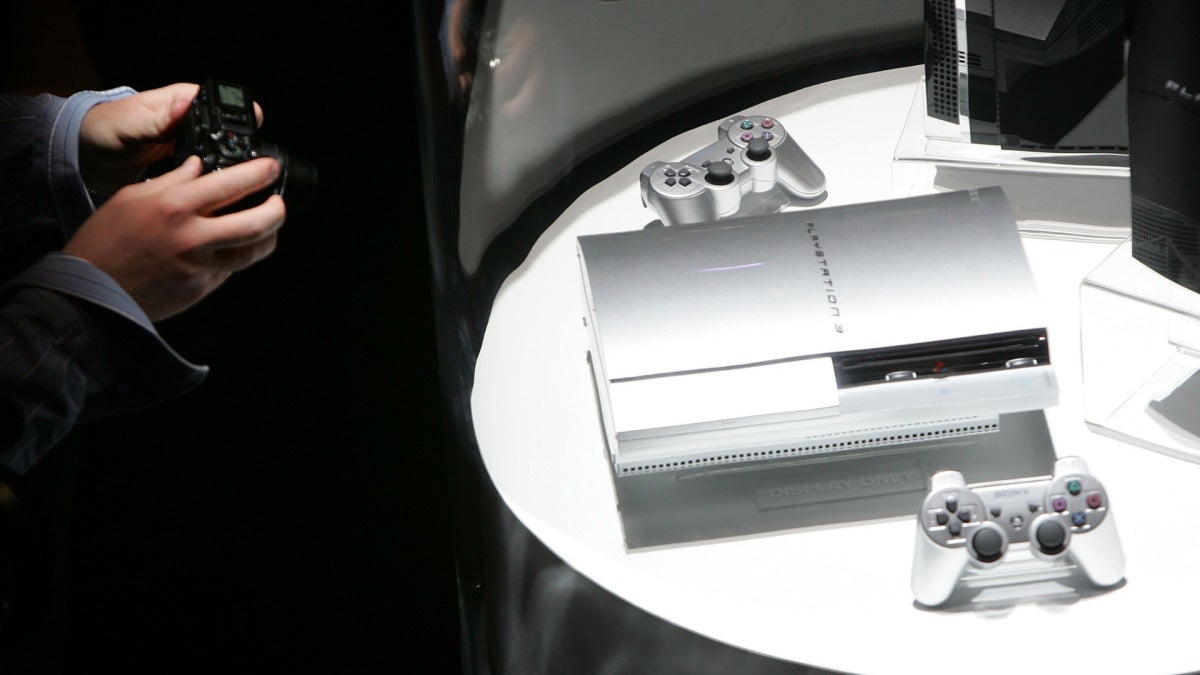
RPCS3 now plays 75% of PS3 games on PC

RPCS3 has hit a new milestone on PC: 75% of tested PlayStation 3 games are now marked as playable. On the project’s official compatibility database, that works out to 2,681 playable PS3 games out of 3,559 tested.

RPCS3 Download

In RPCS3’s database, “playable” means finish a game without game-breaking glitches or major performance problems. That’s a real milestone when you remember how notoriously difficult the PlayStation 3’s Cell architecture has always been to emulate.

Back in January 2026, RPCS3 was sitting at 70%, according to the project. Since then, the emulator has moved forward with better ARM PC support, PlayStation Move support, graphical fixes, ISO loading, and Steam library integration.

The timing matters as well. Sony says it will begin closing the PlayStation 3 Store and PS Vita Store in some countries in August 2026, ahead of a full global shutdown in July 2027. That will make digital-only games, patches, and DLC harder to buy through official channels.

If you use RPCS3 regularly, or just care about PS3 preservation, the current build is worth downloading. Even so, about 25% of the library still isn’t fully playable, and games like The Last of Us, God of War 3, Metal Gear Solid 4, and parts of Uncharted still cause problems. Sony also plans to end physical disc production by 2028, again according to Sony.

You can download RPCS3 for PC and check the full compatibility list on the project’s official site.