Main battle tanks now use automatic transmissions: why armies made the switch

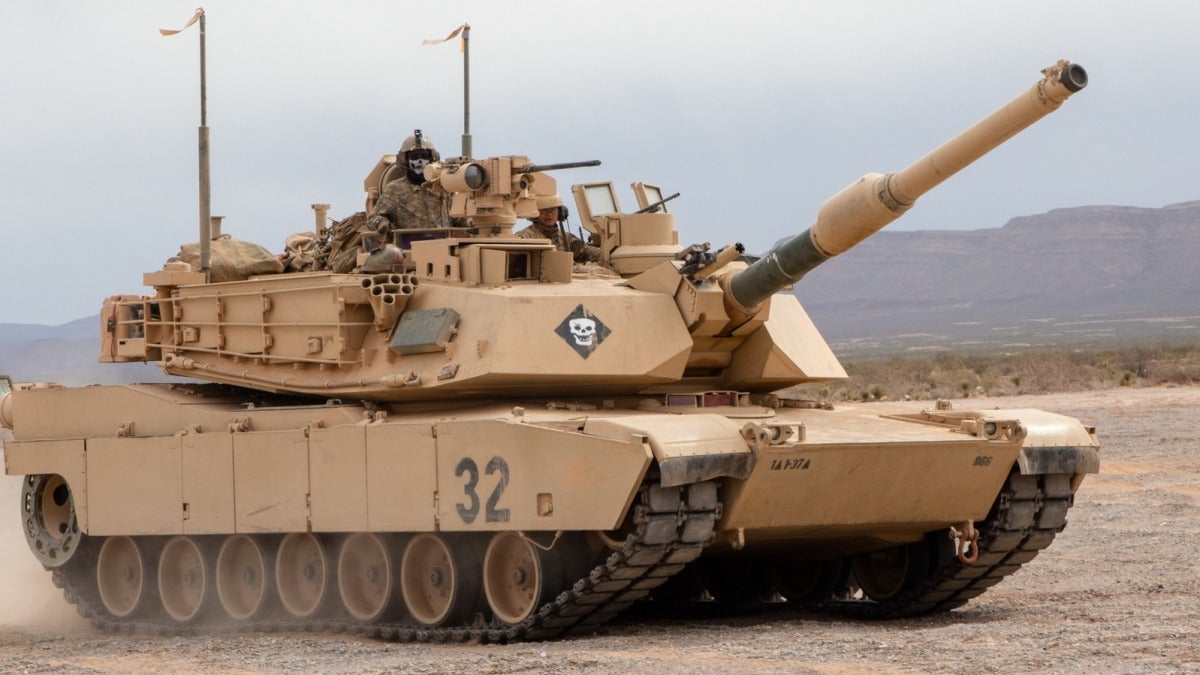
Modern main battle tanks, including the M1A2 Abrams, have largely moved to automatic transmissions. It’s part of a wider shift: one system handles propulsion, steering, and braking, the driver’s job gets easier, and the next likely step is hybrid-electric propulsion.

World of Tanks Blitz Download

The Abrams shows what that looks like in practice. It uses the Allison X1100-3B cross-drive automatic for shifting, steering, and braking. That transmission is built for vehicles around 75 tons, works with diesel or turbine engines up to 1,500 hp, and gives the tank four forward and two reverse ranges.

For the driver, especially over rough ground and under fire, the payoff is pretty straightforward. Less workload. Less training time too, along with better maneuvering and combat performance than the manual or semi-manual setups used on tanks like the M4 Sherman and T-54.

And this isn’t just an Abrams story. Russia’s T-14 Armata is reported to use an automatic gearbox, and later Chinese Type 99 variants have been moving toward semi-automatic transmissions as tanks get faster, heavier, and loaded with more electronics.

If you follow armored vehicles, this is where things seem to be headed next: hybrid-electric propulsion. You can already see the direction in RENK’s ATREX, in the MGCS work from Rolls-Royce and ZF, in the expected M1E3 Abrams move, and in Chinese concepts. The gains people expect are silent watch, quieter movement, lower heat, better fuel efficiency, more onboard power, and instant torque. The long-term reliability and maintenance data, though, is still limited.

War Thunder Download

Sony patent reveals faster PS5 checkout: pay via DualSense

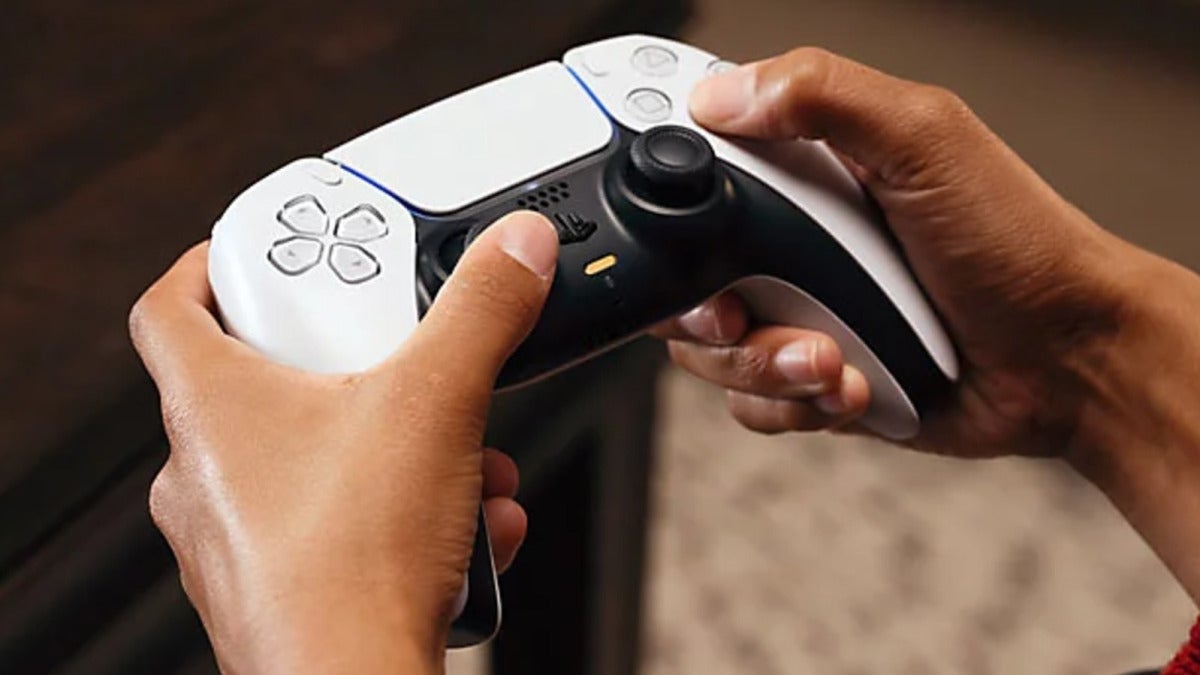
Sony published a PlayStation patent on September 17, 2026 that lays out a faster checkout system for the PlayStation 5. The idea has the DualSense controller acting as a bridge for payments coming from a nearby device. It isn’t a product Sony has announced.

PlayStation App Download

The patent was filed on March 17, 2025, and published on September 17, 2026. The pitch is straightforward: bring a phone, credit card, or gift card close to the DualSense, let the controller complete a digital handshake over NFC or Bluetooth, and have it pass the payment data to the PlayStation 5 so you don’t have to type everything in with a gamepad. In the filing, Sony says the concept could apply to full games, downloadable add-ons, in-game cosmetics, microtransactions, subscriptions, and gift card redemption. It could also appeal to people who don’t want to keep payment details stored on the console.

For people who buy digital games on PS5, this patent matters. Sony’s gaming division made $16.1 billion from digital software and add-on content in the year ending March 2026, according to the company’s financial results, and $9.1 billion of that came from add-ons alone. Sony also says that 82% of PlayStation 5 game, DLC, and microtransaction sales in Q1 FY2026 were digital. When that much revenue runs through digital checkout, even a small cut in friction can move the needle.

Still, there’s nothing to download right now. This is just a patent, and Sony hasn’t announced plans for current or future DualSense hardware. An easier checkout flow also brings the usual worries with it: more impulse buys, unauthorized purchases by children or “friendly fraud,” and fresh concerns around saved payment methods.

PayPal Download

The secret of Apple’s new CEO: why does he spend so much time in the design studio?

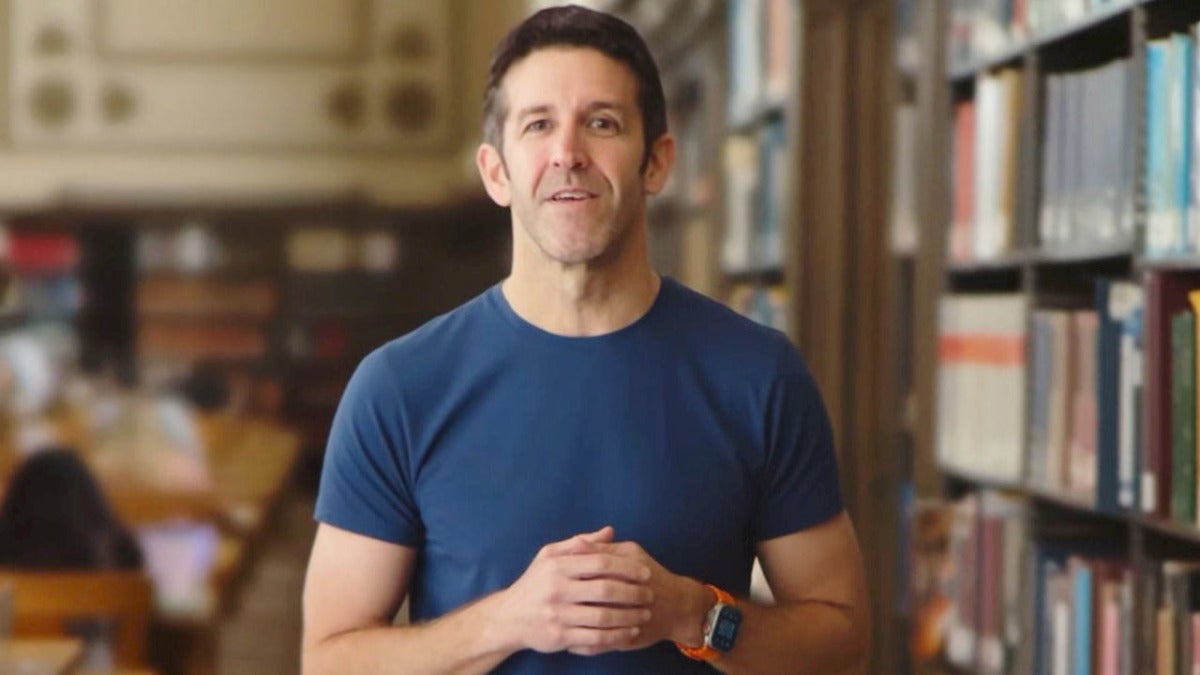
John Ternus has already spent several weeks as Apple’s new CEO and, apparently, has focused on making sure design remains central to Apple’s product direction. As we understand it, Ternus devotes a considerable part of his time to the teams that develop new products and their interfaces.

Figma Download

Ternus wants to be where products are created

As Mark Gurman reports in Bloomberg, Ternus works in the design studio several times each week. Some days, even several times, apparently, and always alongside the industrial design and Human Interface teams. A very hands-on approach from Apple’s top executive that fits very well with his background in hardware engineering.

It also fits with Ternus’s first message to employees, focused on people and products. Ternus wants to put decision-making closer to the people who turn ideas into products, something we already saw in his plans to speed up product launches.

Design returns directly to the top

Apple has Molly Anderson leading industrial design and Steve Lemay leading Human Interface, while Ternus, according to Gurman, serves as the key decision-maker. The structure, as it stands, places design directly under Apple’s CEO, restoring a closeness that recalls Steve Jobs and Jony Ive.

The fact that Ternus spends so much time in the studio is quite a statement of intent, but it goes even further. In this new Apple, the design of products, interactions, interfaces, and experiences is the top priority.