The state highways in California play a crucial role in the state’s transportation infrastructure, facilitating mobility and commerce.

With an extensive network that connects regions and cities, these roads are essential for economic development and the quality of life of their inhabitants.
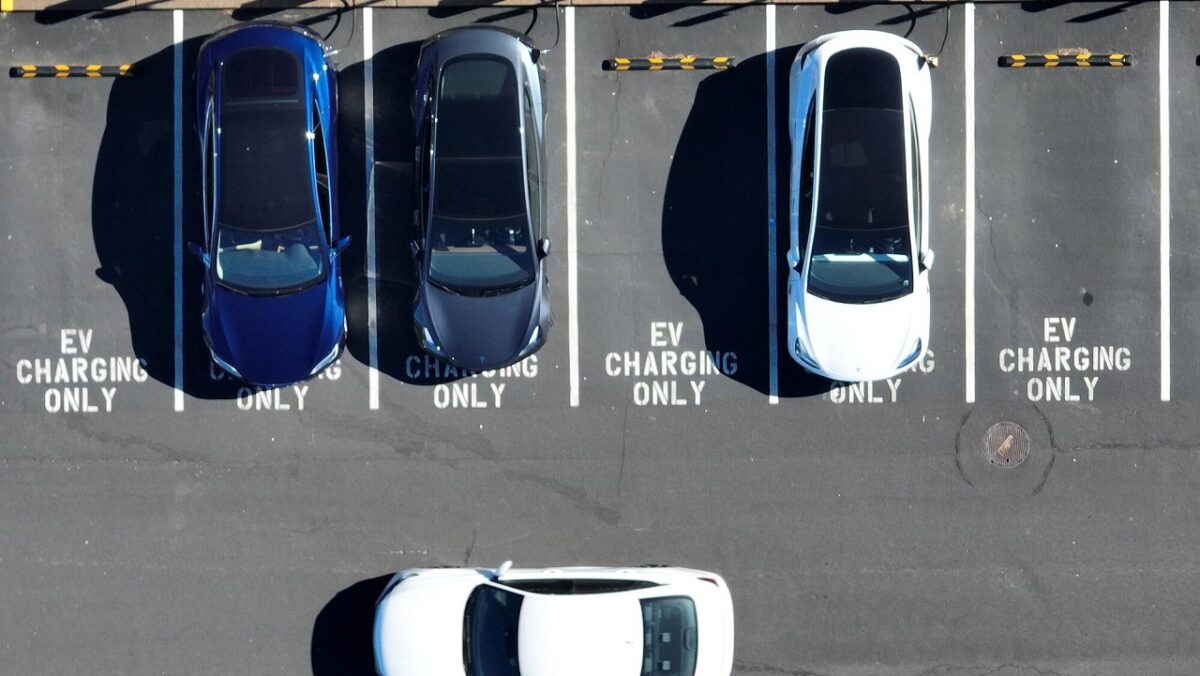
The California administration continues to invest in improvements and maintenance to ensure its functionality, especially in light of the growing use of electric vehicles.
2025 is the key year where everything can change
On the automotive horizon, Tesla’s new electric vehicle model is set to launch in 2025. This model promises to integrate innovative technologies that could transform the landscape of the automotive industry, including greater range, energy efficiency, and autonomous driving features.
With this bet, Tesla seeks to reaffirm its leadership in an increasingly competitive market, facing brands that are also expanding their electric vehicle offerings.
In an effort to boost innovation in this sector, brands like Honda, Nissan, and Mitsubishi are exploring a collaboration to develop vehicle technologies and share resources.
This alliance aims not only to improve competitiveness in the market but also to accelerate the transition towards a more sustainable future in mobility, aligning with current environmental trends.
At the same time, companies dedicated to charging solutions for electric vehicles are taking center stage. One of them is Ionna, located in Apex, North Carolina, whose focus on charging infrastructure reflects the growing demand for accessible and efficient charging stations.
Its relevance is evident at a time when the expansion of the charging network is vital to facilitate the mass adoption of electric vehicles and support the energy transition in the region.