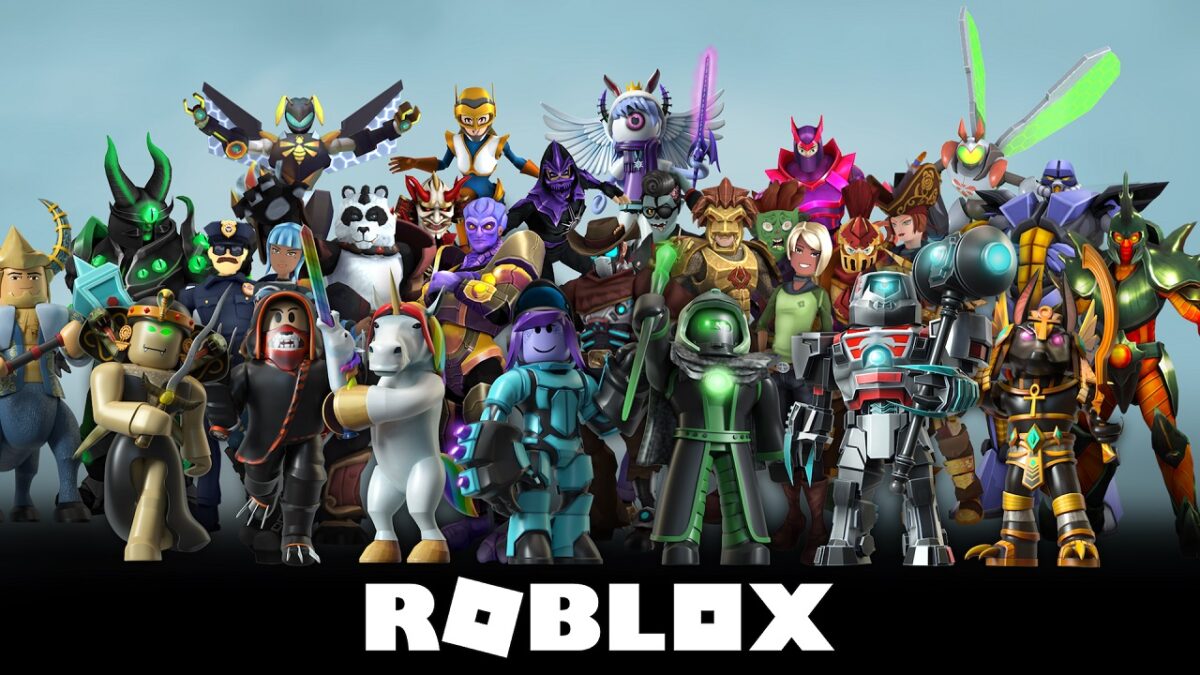
Roblox has established itself as a phenomenon in the gaming industry, reaching over 25 million unique users in its latest sensation, ‘Steal a Brainrot’, and surpassing the record of 41.6 million simultaneous users on its platform, a figure that even eclipses Fortnite.
However, this popularity does not come without controversies, as the company is facing investigations in the United States for not adequately protecting its child user base from potential predators. Its audience, predominantly children aged 9 to 12, is exposed to communications from adults through the tools within the platform.
The recent interview with Roblox CEO, David Baszucki, in the New York Times, has raised additional concerns about the company’s lack of commitment to child safety.
A security problem that someone might see as an opportunity?
Baszucki’s statements, which testify to an alarming disconnection from reality, suggest that the company views the presence of predators as an “opportunity”, a perception that has been labeled as megalomania by several critics.
The interview has highlighted not only the executive’s attitude towards the issue of security but also his approach to maximizing profitability at the expense of protecting his most vulnerable users.
Industry analysts have pointed out that the lack of regulation allows platforms like Roblox to operate without the necessary restrictions to ensure the safety of their users. This phenomenon could pave the way for practices that prioritize profits over ethics and social responsibility, creating an environment where risks to privacy and child safety are relegated to the background.
Thus, the situation with Roblox raises essential questions about the future of regulation on platforms that are, by their nature, part of the digital ecosystem aimed at a young audience, and underscores the importance of establishing standards that prioritize the safety of minors in an increasingly complex and challenging environment.