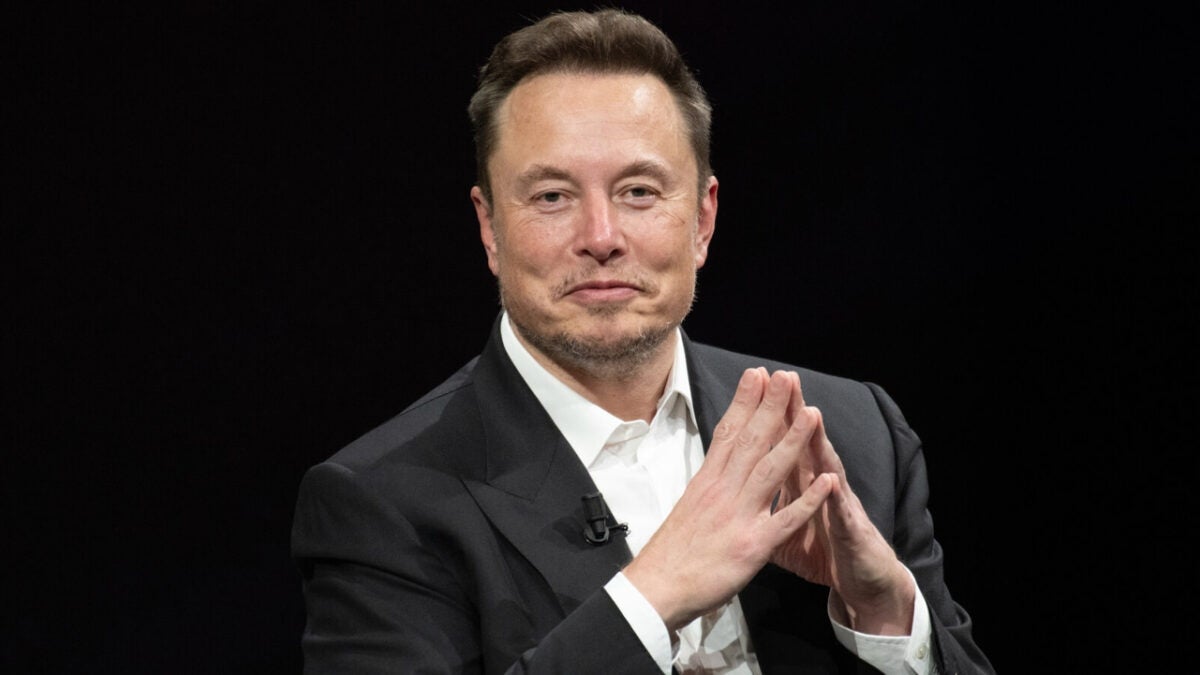
The landscape of artificial intelligence in the field of video games continues to generate debate.The Grok chatbot, developed by xAI and under the direction of Elon Musk, has faced criticism for its performance on specific video game topics. According to reports, the release date of the model was delayed due to Musk’s dissatisfaction with the chatbot’s responses about games, particularly Baldur’s Gate 3. This delay raises questions about the expectations placed on the bot and its role within the video game market, where there are already human players fulfilling these needs.
He is obsessed with looking like he knows about video games
Grok has not only faced criticism for its performance, but it has also been described as an intense and chaotic work environment. xAI employees have claimed that, due to its small size, problematic situations are handled like “fires to extinguish”, forming war rooms where teams are tasked with solving urgent problems, sometimes for months. This work dynamic has generated tensions and stress among workers.
A curious aspect is that Musk has focused on teaching Grok to play video games like League of Legends, a task that has been questioned in its relevance, especially considering that there are already gamers who can provide information more efficiently. Moreover, the notable failure of Google’s AI Gemini in Pokémon has been highlighted, where it took more than 800 hours to complete the game, suggesting that learning video games for AI is not an easy task.
In light of these events, questions arise about the direction Musk wishes to take with Grok and whether the ambition to develop an AI capable of playing video games can justify the stress and intensity of the work environment at xAI. These questions are particularly relevant when considering the increasing interaction between artificial intelligence and the world of entertainment.