For weeks, the world has been captivated by the “heist of the century.” In case you’re wondering which one we mean, we are talking about the robbery at the Louvre on the 19th of October 2025, one of the most famous museums in the world and home to priceless works of art (it houses Leonardo da Vinci’s Mona Lisa, for example). But if the Louvre is so famous and critical, how could thieves possibly break in? The answer is simple: on top of insufficient camera coverage and perimeter gaps, a lack of concern for basic cybersecurity. Let’s explain.

The Louvre Museum’s video surveillance system used a password so obvious that the thieves were able to access and disable it without any trouble while carrying out the robbery. And yes, you guessed it – the password for the Louvre’s surveillance system was, effectively, “louvre.”
This story proves that even world-renowned institutions can fail at the most elementary level when it comes to cybersecurity. If an iconic museum full of paintings, sculptures, and jewels of incalculable value can make such a mistake, what might be happening in homes, small offices, or on personal devices that lack specialized technical teams?
This case is not an isolated anecdote; it is a reflection of a much broader and persistent problem. Although most people spend a good part of their day connected to the internet (whether working, shopping, or gaming), there is still a massive gap between the level of real risk and the basic measures taken to protect against online dangers.
Luckily, a few simple steps are enough to drastically reduce exposure to digital threats. Among these measures, using tools that help reinforce security, such as Avast Free Antivirus, can become a powerful ally – at no cost to you.
The Gap Between Real Risks and User Behavior
Why, in 2025, do people still use simple passwords, click on dubious links, or ignore update warnings? The reasons are many, and almost all of them are deeply rooted in habits acquired over years:
1. The “It Won’t Happen to Me” Mentality
A large portion of users still thinks that cybercriminals only target large corporations, governments, or celebrities. The reality is much more uncomfortable: automated attacks do not differentiate between a multinational company and an average user with a weak password. Criminals look for volume, not prestige, and use tools capable of scanning millions of devices in a matter of seconds.
2. Convenience as the Enemy of Security
Creating long and unique passwords, enabling two-factor authentication, or reviewing browser extensions can seem boring, repetitive, or excessive. The result is that people fall for the easiest option: repeating the same password, postponing system updates, or downloading programs from any link. Haste is one of cybercrime’s best allies.
3. The Misconception That Protection Is Complicated
Although professional cybersecurity has enormous technical depth, the fundamentals for common users are simple. However, many believe that it requires advanced knowledge or implies dedicating too much time. This perception stops them from even taking the first step.
4. Overconfidence in Technology
Paradoxically, the constant improvement of devices makes people think that “it is under control.” But a modern mobile phone or computer is not secure just because it is modern; it needs its owner to adopt a minimum of good practices.
The Risks of Ignoring the Basics
The underlying problem is that the simplest errors are usually the ones that open the door to more serious threats. Some of the most common consequences include:
- Credential theft, especially when an easy-to-guess password is reused across multiple accounts.
- Malware infections, which can arrive via an apparently innocent attachment or an unverified download.
- Unauthorized access to devices, allowing third parties to install spyware, steal photos, or access personal documents.
- Online scams and phishing, which take advantage of inattention or lack of knowledge to obtain personal or financial data.
- Loss of information, whether through malicious encryption (ransomware) or file manipulation.
All of this can originate from actions as simple and common as using a predictable password, connecting to a public Wi-Fi network carelessly, or clicking on a link that promises something too good to be true.
Simple Steps Anyone Can Apply
The good news is that improving digital security does not require transforming into an expert. A few habits and an antivirus like Avast Free Antivirus can help you build a stronger defense:
- Create strong and unique passwords: Use long combinations with letters, numbers, and symbols, and do not repeat them across services. Password managers make this process incredibly easy.
- Keep software updated: Patches fix vulnerabilities that, if left unresolved, can be used by attackers. This includes the operating system, the browser, and frequently used apps.
- Use reliable networks: Avoid performing sensitive operations (like online banking or shopping) from unprotected public networks.
- Check files before downloading and links before clicking: Be suspicious of unexpected messages, even if they seem to come from known contacts.
- Use a tool that helps detect threats in an environment where automated attacks and phishing constantly evolve; having an additional layer of protection is especially useful.
How Avast Free Antivirus Can Help You in This Scenario
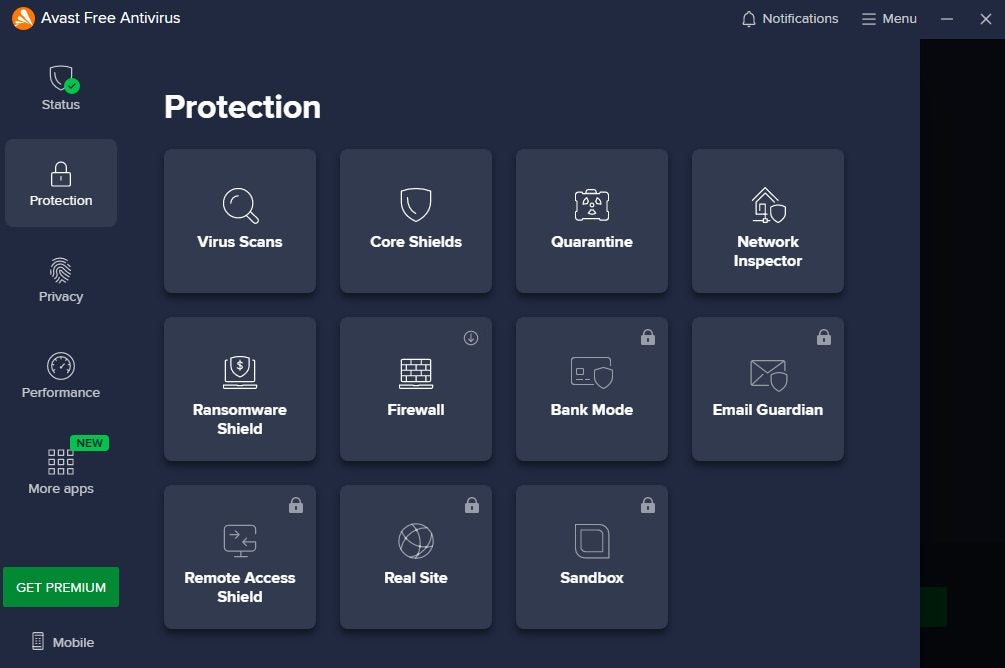
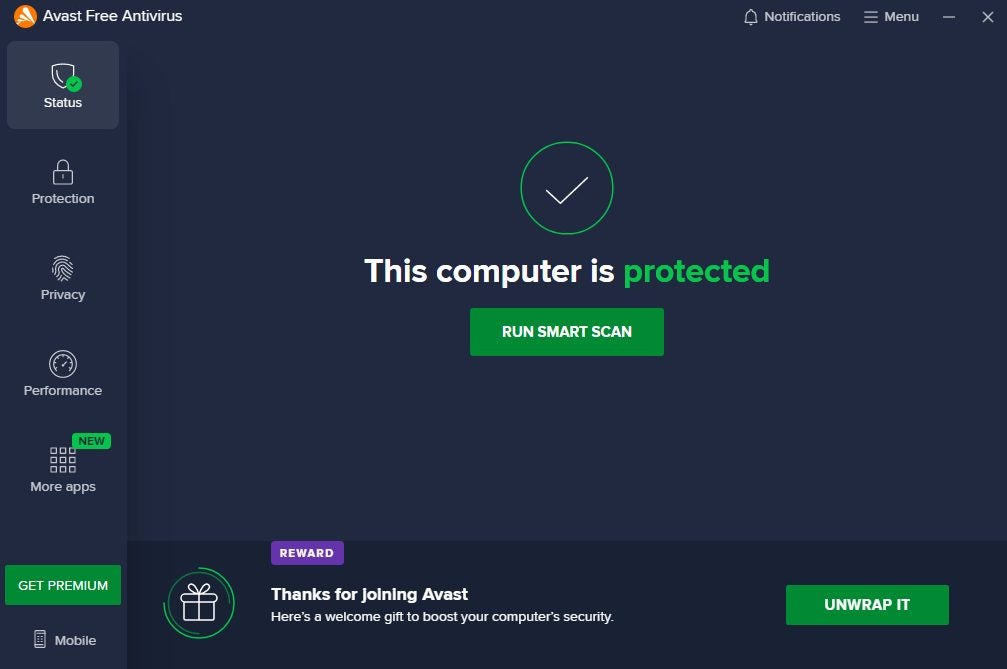
For those looking to reinforce their security without complications, Avast Free Antivirus can serve as fundamental support in several key areas of digital daily life. Keep in mind that while its free version is very complete and secure, it does not solve everything on its own but rather helps to strengthen them and improve your cybersecurity:
- Real-time malware protection: Avast Free Antivirus can help detect and block malicious files attempting to run on the device. This includes common threats like Trojans, viruses, or basic spyware. In numerous instances, the user is not even aware that something dangerous tried to install itself until the antivirus intervenes.
- Help identifying potentially malicious websites: One of the most widespread risks today is landing on a phishing site that mimics the appearance of banks, payment platforms, or popular services. Avast Free Antivirus can help warn you when a page shows suspicious signs.
- Analysis of unreliable downloads: Files downloaded from dubious links or unexpected attachments are often one of the most common vectors of infection. Avast Free Antivirus helps you examine these files and warns if they represent a risk to your security, adding a useful safety layer for those who do not always check sources in detail.
- Monitoring of unusual activities: Even if the user makes a mistake (opening a compromised file, connecting an unknown USB, or browsing without checking the real URL), Avast Free Antivirus can help detect anomalous behaviors that indicate something is wrong and identify potential threats to your cybersecurity.
- Simple interface and accessible settings: One of the biggest barriers for many users is complexity. Avast Free Antivirus is designed to work with simple configurations, making it easy for those without technical knowledge to benefit from basic protection without difficulties.
- An additional layer that complements user habits: The key here is to understand that an antivirus does not solve everything on its own. What it does is help reduce the impact of everyday errors: a wrong download, an impulsive click, or a visit to an unknown site. In these cases, the tool can become a crucial part of your defense.
Security Starts with Simple Decisions
The Louvre incident reminds us that even the most basic failures can have catastrophic consequences. But it also teaches that reinforcing security starts with the simplest things: strong passwords, constant updates, prudent habits, and tools that provide extra help when attention fails.
No one is exempt from making a mistake, but it is possible to minimize its effects. And on that path, counting on support like Avast Free Antivirus can help you enhance your protection and online safety, especially for those who want to stay safe without investing money or time in complex configurations.
Ultimately, cybersecurity is not a one-time act but a habit. And like all habits, it begins with small steps that, day by day, build a much more solid defense against a digital environment full of potential risks.
