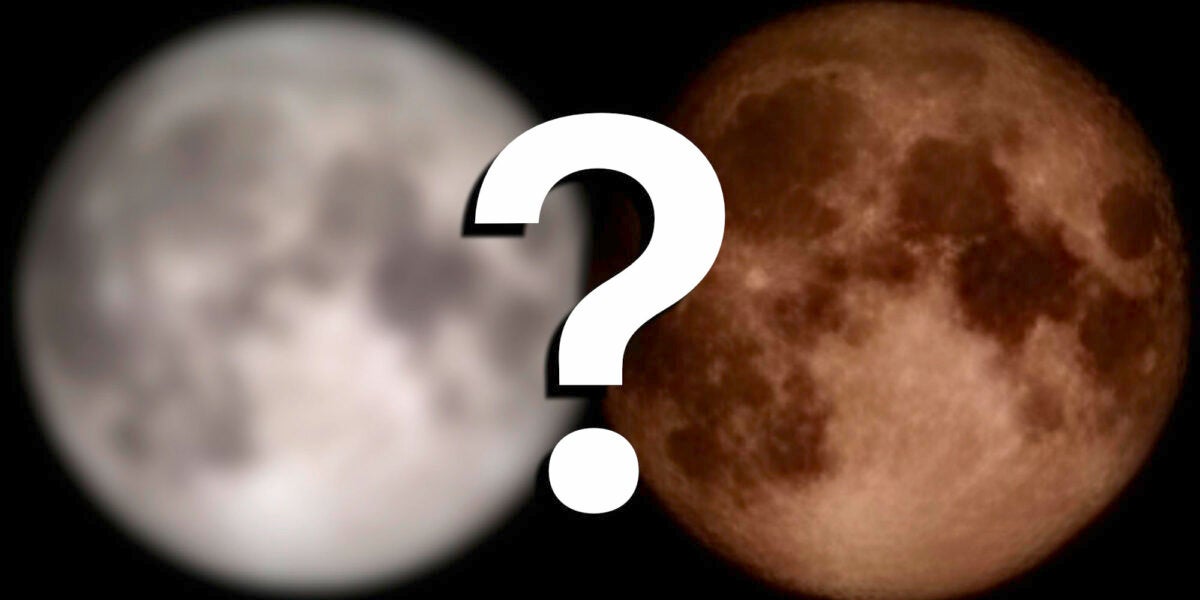
Samsung is one of the leading brands in the smartphone market, and one of its most prominent features is Space Zoom, a function that allows you to capture high-resolution images of very distant objects, such as the moon. Space Zoom was first introduced on the Galaxy S20 Ultra, and has since been present on all of the company’s subsequent ‘Ultra’ models.
Computational photography or image replacement
A controversy has recently arisen around this feature, as a Reddit user has accused Samsung of misleading users about the authenticity of the moon photos that can be obtained with Space Zoom. According to this user, Samsung uses an artificial intelligence that superimposes a predetermined image of the moon over the real photo taken by the phone, thus creating an illusion of sharpness and detail that does not correspond to reality.
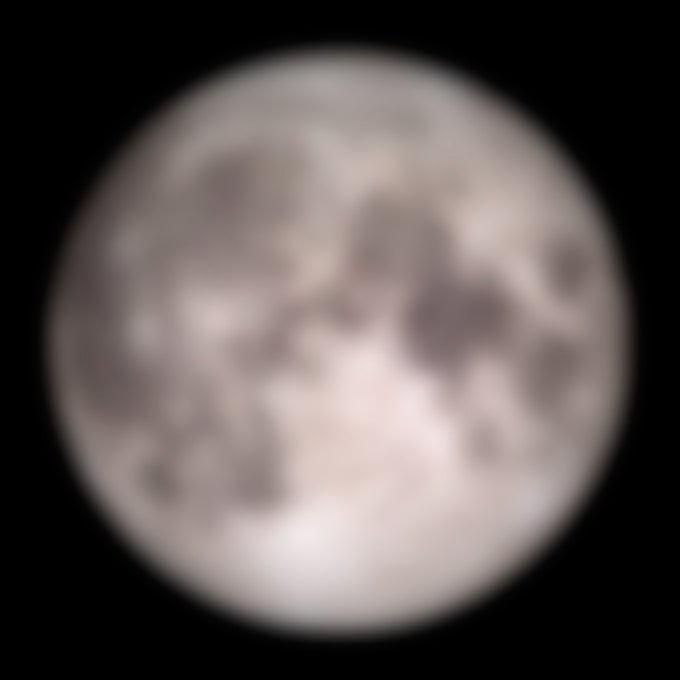
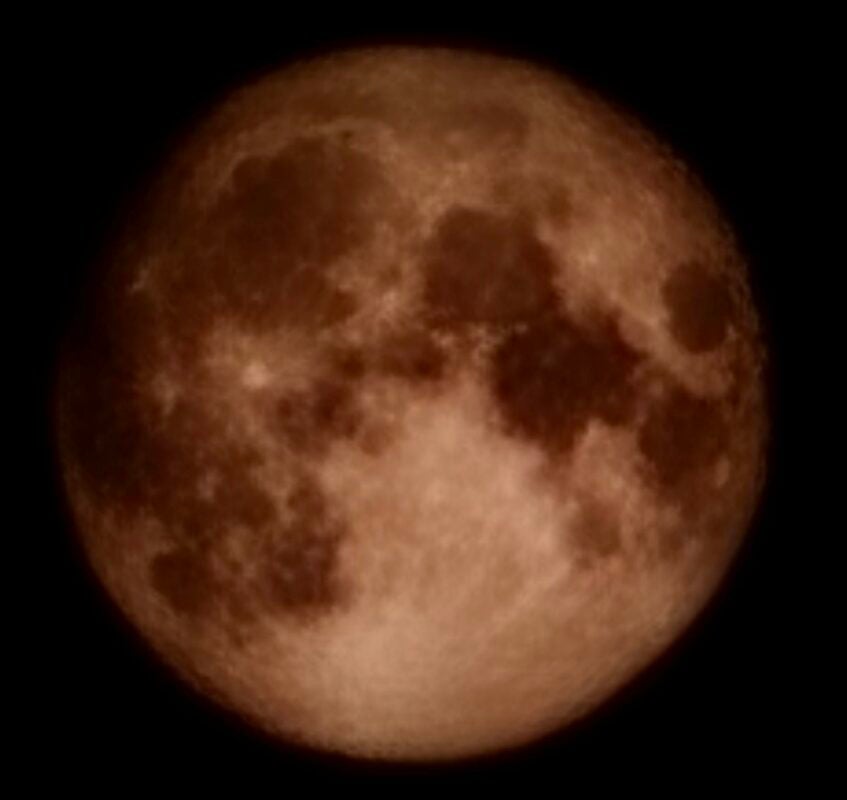
The user bases his accusation on several indications, such as the fact that the photos taken with different models and configurations show exactly the same image of the moon, without varying either in size or orientation; or the fact that when zooming in to the maximum, artifacts and irregular edges can be seen in the image. Also in the verification that the original image, photographed from the computer screen (which we can see just below these lines) does not have sufficient quality for a detail extraction as the one we see as a result. In addition, the user claims to have tested other phones with similar optical and digital zoom capabilities, and to have obtained much more realistic and natural results.
Samsung, for its part, explains that the Space Zoom uses a combination of telephoto cameras with 3x and 10x optical zoom, and a digital zoom assisted by an AI called Super Resolution, which analyzes millions of images to improve the quality and detail of photos taken at maximum zoom. According to Samsung, this AI does not add any preset image to the photos, but only optimizes the pixels to provide a sharper and clearer result.
So who is right in this controversy – is Space Zoom an innovative and revolutionary feature or just a publicity stunt? The answer is neither simple nor definitive. On the one hand, it is undeniable that Samsung has succeeded in creating a function capable of capturing impressive images from very long distances. On the other hand, it is also true that these images do not seem totally faithful to what the human eye sees or what a professional camera would capture.
From the tests performed, it seems that Samsung will have to give more explanations. It is clear that the results it offers are very striking, but it seems that little or nothing would have to do with the artificial intelligence and computational photography engines that we already know from Apple. Is the Samsung Galaxy S23 Ultra better than the iPhone 14 Pro in photography? We’ll see what this curious discovery turns out to be.
