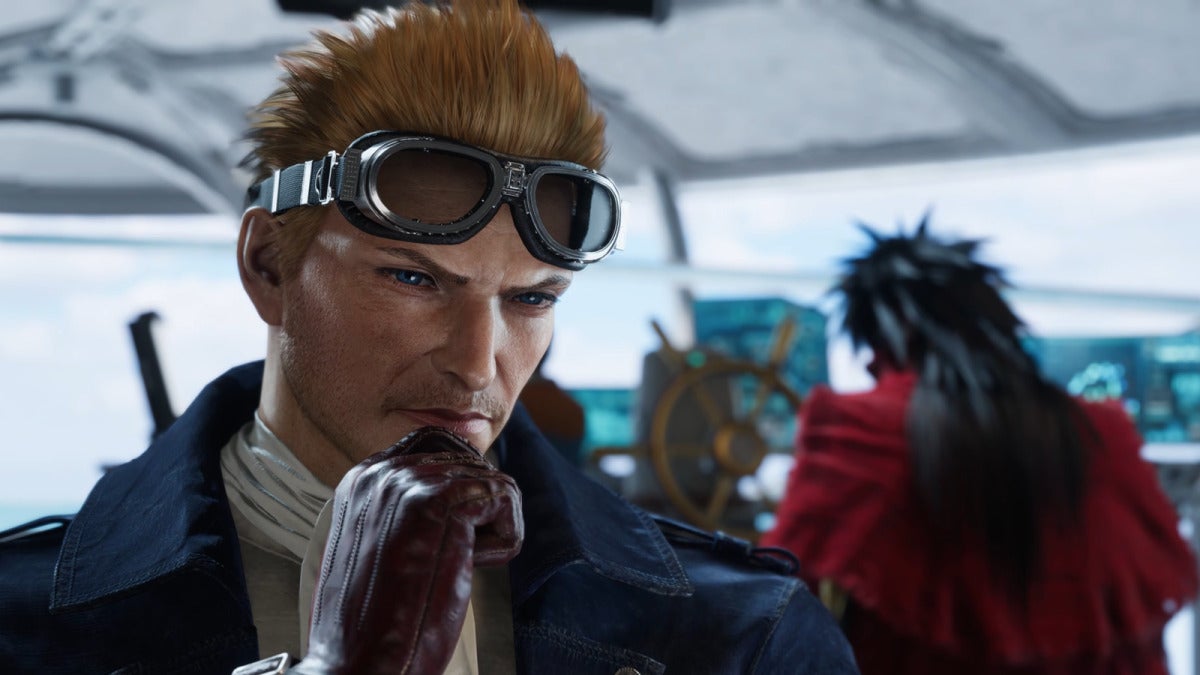
Final Fantasy 7 Rebirth has arrived on PlayStation 5, and it’s already the most divisive chapter in Square Enix’s remake trilogy. As the second entry, it moves far beyond a straightforward remake, bringing in alternate timelines, parallel worlds, and character fates that no longer feel settled.
Zack Fair is right at the center of that shift. In the 1997 original Final Fantasy 7, his death was fixed, and that loss shaped Cloud Strife’s identity while anchoring one of the story’s main emotional pillars. In Final Fantasy 7 Rebirth, though, Zack survives in another reality, gets a much larger playable role, and changes the way the whole project reads.
After Final Fantasy 7 Remake’s ending, Rebirth leaves behind the idea of a one-to-one retelling and leans into multiple worlds, where events that once seemed unchangeable can break in different directions. That pushes you to think again about fate, memory, and even the idea of what a remake is supposed to be. Aerith’s more ambiguous fate has only added fuel to the talk that the third game could drift even farther from the original.
Some players think that’s exactly what the trilogy needed. If you already know the original beat for beat, this version feels fresh, unstable, and a lot harder to predict. Others see it differently. They argue that it blunts the story’s themes of loss and identity, gets too tangled for its own good, and might be heading toward a payoff that won’t fully land. Director Naoki Hamaguchi has said that tension was intentional, and while Final Fantasy 7 Rebirth got off to a strong launch, reports out of Japan also pointed to a steep second-week drop and lower initial physical sales than Final Fantasy 7 Remake, even if digital sales make the overall picture harder to pin down.
If you follow Final Fantasy 7 closely, this one’s worth keeping an eye on. Final Fantasy 7 Rebirth is available now on PlayStation 5.
