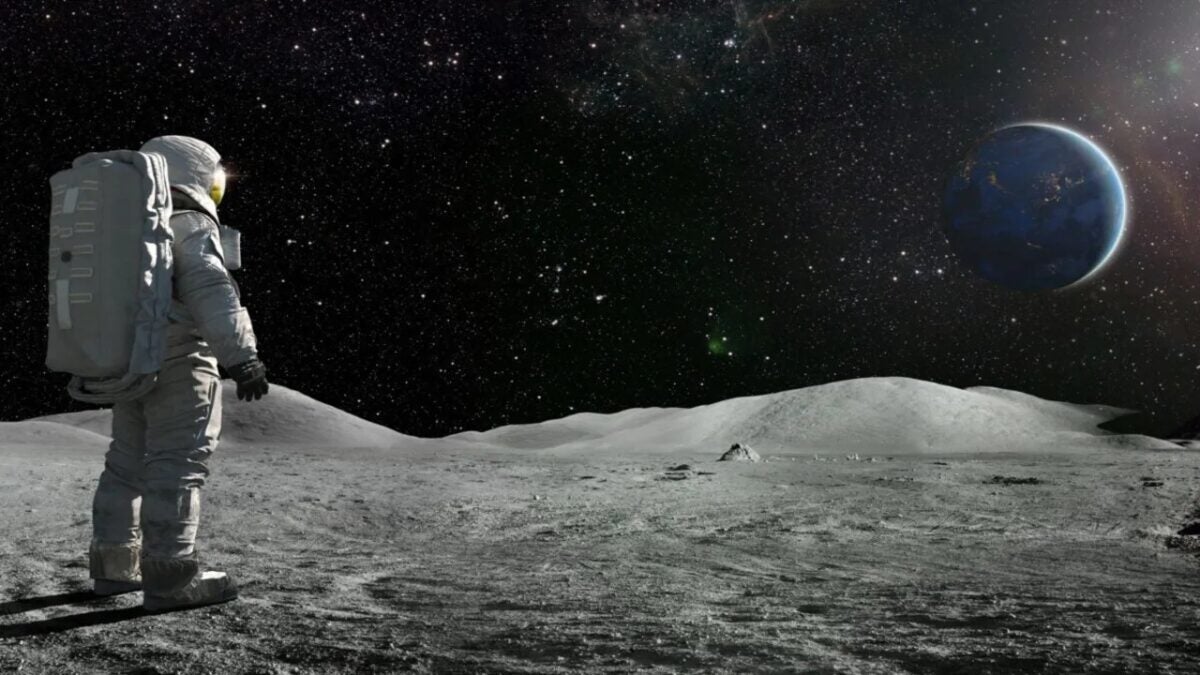
The race to land humans on the Moon began with a speech by U.S. President John F. Kennedy in 1962 at Rice Stadium in Houston, Texas.

In the speech, Kennedy pledged to get a human being on the Moon by the end of that decade. By the time of the moon landing in 1969, Kennedy’s goal had been achieved and his deadline had been met.
However, with the goal accomplished, NASA faced major funding cuts, making the future of the Apollo missions untenable.
The United States poured billions of dollars into winning the space race against the Russians, but once they succeeded in putting the flag on the Moon, it no longer made sense for investors.
20 Apollo missions to beat Russia in space
The last manned mission to the Moon was Apollo 17, which took place between December 7 and 19, 1972. It was a 12-day mission and broke many records: the longest spacewalk, the longest lunar landing and the largest lunar samples brought to Earth.
Originally 20 Apollo missions had been planned, but the technology and research missions were not considered as important as the achievement of the moon landing itself, and the last three missions were cancelled.
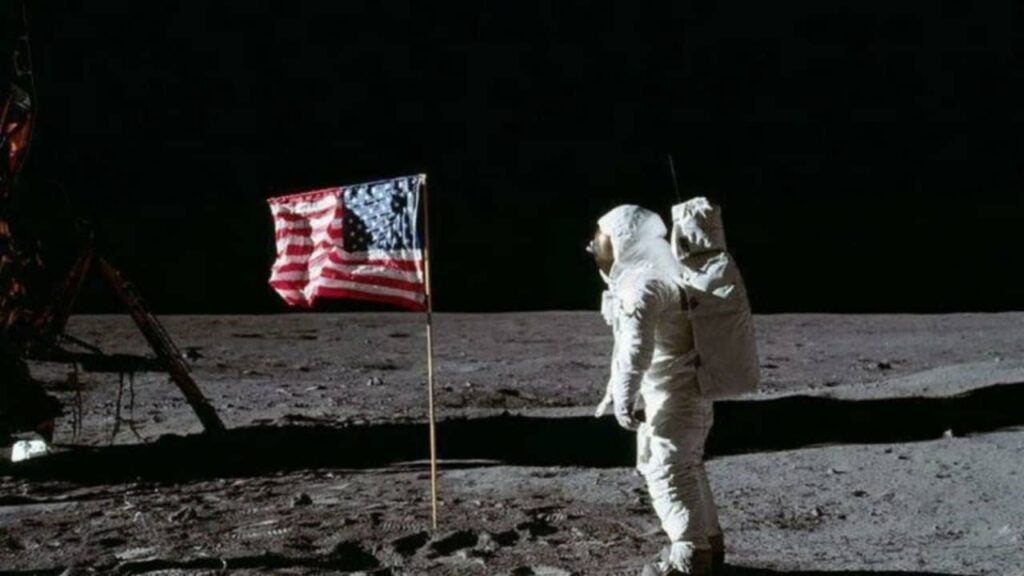
While the U.S. government was willing to invest a lot of money in Apollo missions when they were useful to the space race, research and technology development was not considered a priority.
Apollo 11 was a political statement in the middle of the space race, and once it was done, the need for more missions to the Moon disappeared. NASA Administrator Jim Bridenstine underscored this when he described the space race thus:
“It was a contest of political ideologies. It was a contest of economic ideologies. It was a contest of technological prowess. And in this great contest of great powers, the United States was determined to win.”
Going to the Moon was enormously expensive. Originally the Kennedy administration had estimated $7 billion. In the end, the total cost was $20 billion.
There was also less national support. All of the Apollo missions had been conducted against a backdrop of civil unrest in the United States, and the large amounts of money being spent on space travel became a point of contention for the American public.
With the thawing of the Cold War, the Strategic Arms Limitation Talks (SALT) brought about a drastic reduction in missile production, including those for space travel.
The goal is no longer to go, it is to stay and live on the Moon
Whereas in the Apollo missions astronauts lived on the Moon for only a few days, lunar travel in the 21st century will focus more on the creation of lunar bases or stationary satellites.
Bridensteine describes how the future of lunar travel involves a sustained presence on the Moon: “This time when we go to the Moon we’re going to stay. That’s what we’re aiming for.”

NASA has several missions to the Moon planned over the next few years. For example, in Artemis II the idea is to send the first woman and the first black man to the Moon in an express visit of a few hours, as a demonstration that getting there and back is easier than ever.
And it won’t be until Artemis III. This will be the second manned Artemis mission and the first manned lunar landing since Apollo 17 in December 1972. Artemis 3 is planned to put the first woman and first black person on the Moon.
This is the really important one, as the Artemis III plan is to land a crew in the south polar region of the Moon, have two astronauts on the surface of the Moon for about a week, and return to Earth.
In the next decade we will not go to the Moon, we will live on it. Just as our parents imagined. The future is tomorrow.
Some of the links added in the article are part of affiliate campaigns and may represent benefits for Softonic.
