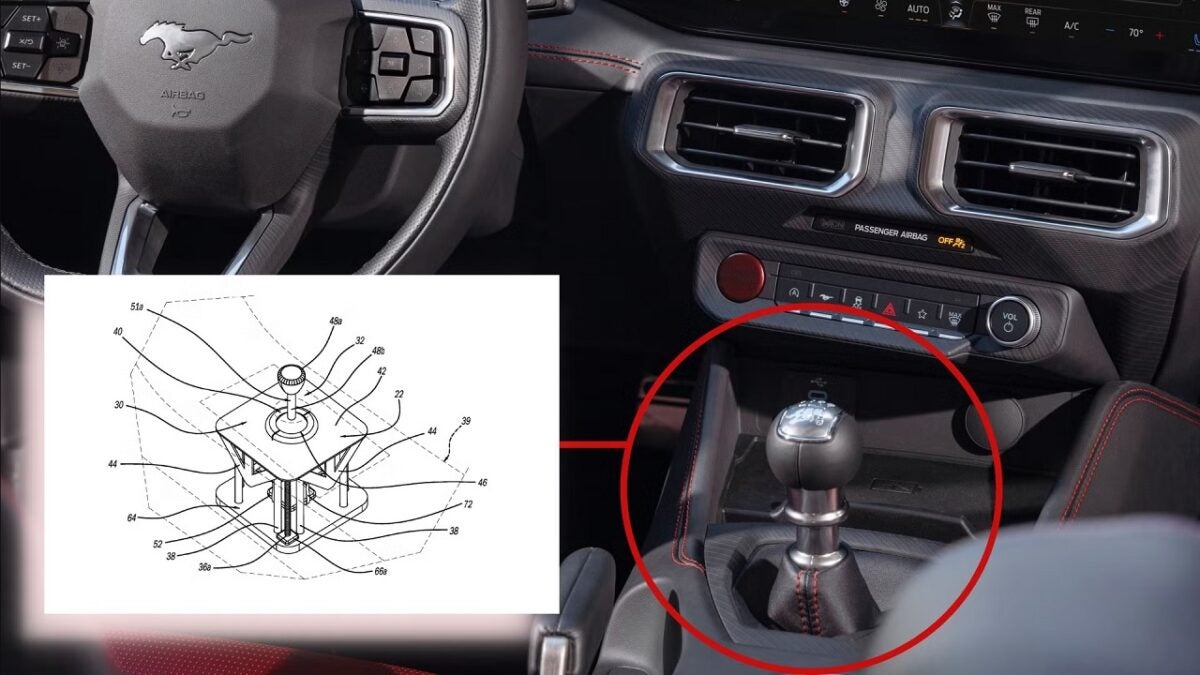
Ford has recently patented an innovative new shifting system for electric vehicles (EVs) that aims to enhance both driving efficiency and the overall experience for drivers.
This move is part of a broader initiative by Ford to innovate within the electric vehicle sector as the automotive industry increasingly shifts towards a greener future.
The newly patented system, dubbed the “Ford EV Shifter” is designed to streamline the gear-shifting process in electric vehicles. Unlike traditional automatic transmissions, which rely on complex mechanical systems, Ford’s approach utilizes advanced technology to provide a more intuitive and responsive shifting experience.
It could revolutionize the way drivers interact with their vehicles
This innovation is expected to play a significant role in improving the driving dynamics of Ford’s EV lineup, making them both more enjoyable and more efficient to operate.
This latest development aligns with Ford’s commitment to compete fiercely in the rapidly evolving electric vehicle market, where numerous manufacturers are striving to capture consumer attention with cutting-edge technology and eco-friendly solutions.
As established automakers like Ford continue to invest heavily in electric mobility, innovations such as the Ford EV Shifter could set new standards for both design and manufacturing practices in the industry.
Experts believe that successful implementation of this technology could influence how future electric vehicles are designed and produced, potentially leading to widespread changes in the marketplace.
If Ford’s EV Shifter becomes widely adopted, it could revolutionize the way drivers interact with their vehicles, offering a glimpse into the future of automotive technology.
While specifics regarding production timelines and integrations into existing or future models remain undisclosed, the patent signifies Ford’s determination to lead in the electric vehicle arena. Observers can expect further developments as the company continues to enhance its electric offerings, particularly as consumer demand for sustainable transportation solutions grows.