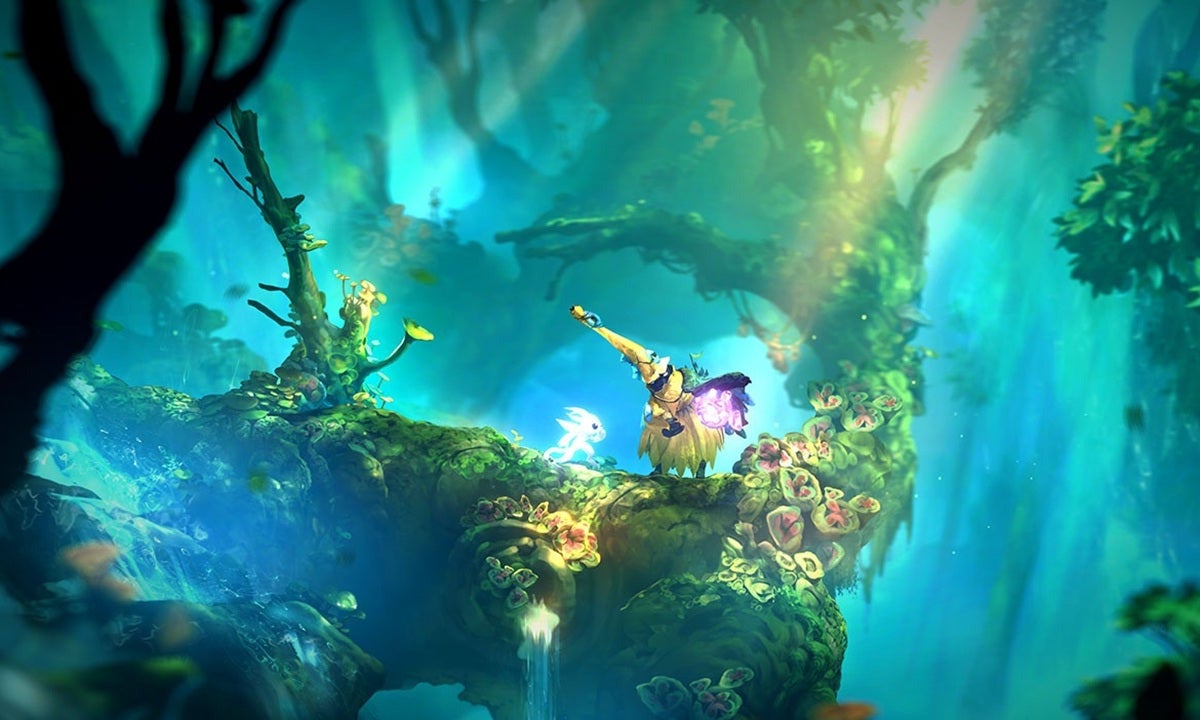
After Microsoft’s latest cuts to its gaming division, Moon Studios CEO Thomas Mahler, who’s best known for directing the Ori games, said Xbox Game Pass “works a bit like communism” because, in his view, the service has too much filler.

Xbox Game Pass has come under fresh scrutiny since Microsoft confirmed broad cuts across its gaming business. With several Xbox studios staring at an uncertain few weeks, there’s already speculation that Double Fine, Compulsion, and Ninja Theory could be next on the list.
That stands out for an obvious reason. These are the same studios Xbox acquired and supported when Microsoft was pitching Xbox Game Pass as a much bigger part of its strategy.
A controversial take
More and more people are questioning Xbox’s Game Pass model, especially because the last official number Microsoft shared for the service, 34 million users in February 2024, now looks a long way from where it once seemed to be.
Mahler is one of the latest people to weigh in, and he says he knows what went wrong: there’s too much filler on the service.
“The Game Pass strategy could have worked if the audience had shown up. The problem is they didn’t, and the software lineup wasn’t strong enough to keep people happily paying for the subscription every month,” Mahler said. He also argued that Xbox Game Pass “works a bit like communism” because “it doesn’t give people much incentive to go above and beyond,” adding that doesn’t give people much incentive to go above and beyond, adding that “Microsoft needs strong deals with developers that encourage them to make huge hits, not just mass-produce mediocre content like a factory.”

Those comments sparked a lot of backlash. Part of it is that Xbox Game Pass has had plenty of high-quality games over the years, and part of it is that Mahler’s communism remark ended up swallowing the wider debate about the service itself.
That gets even harder to brush aside when you look at Microsoft’s recent record. According to aggregate review scores from Metacritic, Microsoft was the fifth-highest-rated publisher of 2025. So at least when it comes to Microsoft’s own games, quality doesn’t look like the problem.
