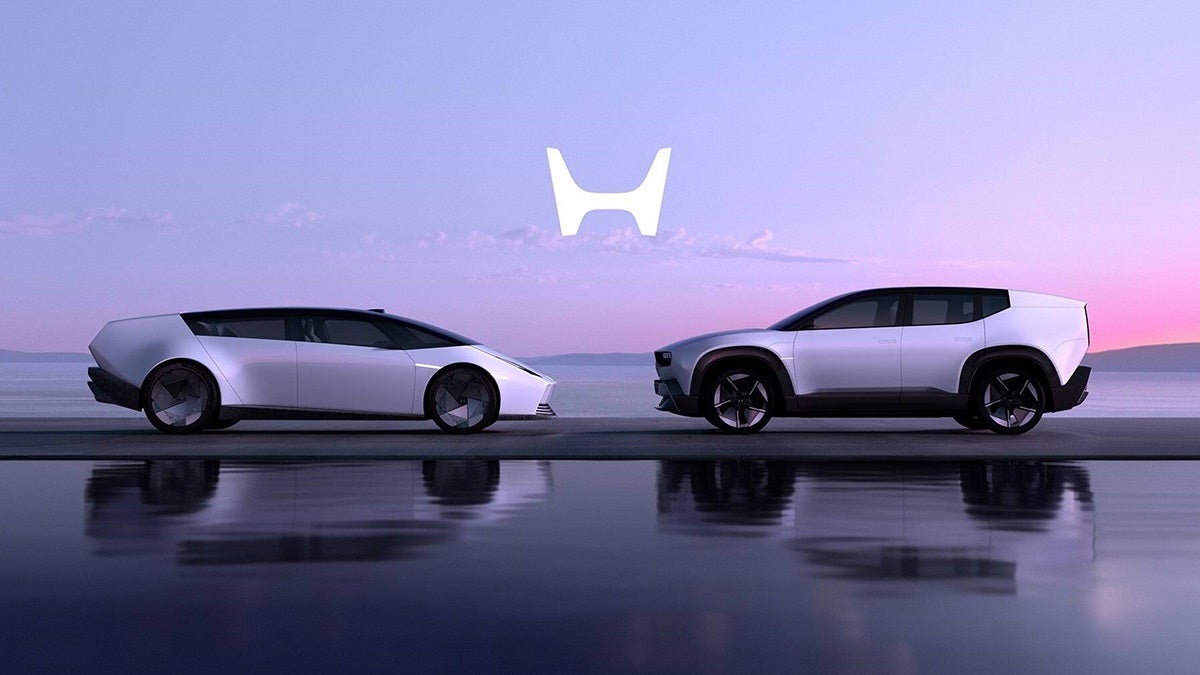
Honda made a significant splash at the 2025 Consumer Electronics Show (CES) by unveiling the first two models of its new 0 Series electric vehicles (EVs), set to hit the market in 2026.
The company also introduced ASIMO, not as a humanoid robot, but as an innovative vehicle operating system designed to enhance user experience through artificial intelligence. This strategic pivot highlights Honda’s commitment to integrating advanced tech in the automotive realm.
The electric models, manufactured in Ohio, represent a substantial investment of over $5 billion into American manufacturing, aimed at avoiding potential tariffs associated with imported vehicles.
Honda Invests Over $5 Billion in American Manufacturing for EVs
Honda plans to mitigate the complexities of EV ownership by offering features like AI-driven trip planning and charging point routing, ensuring a user-friendly mobility experience. This approach aligns with the growing demand for seamless integration of technology into daily transportation.
Although specifics regarding battery capacity and performance metrics remain scarce, the prototypes showcased at CES, including a stylish sedan and a sleek SUV, draw design inspiration from Honda’s rich history, evoking elements from the iconic HPX concept.
This commitment to aesthetic innovation positions the 0 Series as a serious contender on the EV market landscape, combining cutting-edge design with accessible functionality.
Additionally, Honda’s collaboration with the IONNA consortium underscores its determination to streamline the charging experience without producing proprietary chargers. Instead, ASIMO aims to enhance routing to cleaner energy sources and pet-friendly facilities, showcasing Honda’s holistic approach to electric mobility.
As the automotive industry increasingly gravitates towards electrification, Honda’s strategy to prioritize user experience and environmental considerations may set a new standard for how consumers interact with their vehicles. With further developments expected, especially in the realm of battery technologies and performance, anticipation will build as 2026 approaches.