
Many doubted whether James Gunn, creator of hits like Guardians of the Galaxy and The Suicide Squad, would be able to properly bring to the big screen the greatest hero of all time: Superman (if you thought of Batman, please go back to square one). 615 million dollars later, there is no doubt, and Warner has given him the green light to continue exploring his universe, as long as one of the next projects is the sequel to Man of Steel. Gunn has already released a drawing of our hero alongside Lex Luthor and hinted that it is a story about both, in a buddy movie style, but… What comics should one read to fully understand the complex personality of his antagonist? Don’t worry: we are going to recommend the 5 definitive comics to understand Lex Luthor. Yes, really. And along the way, a little more about Superman.
What happened to the man of tomorrow?
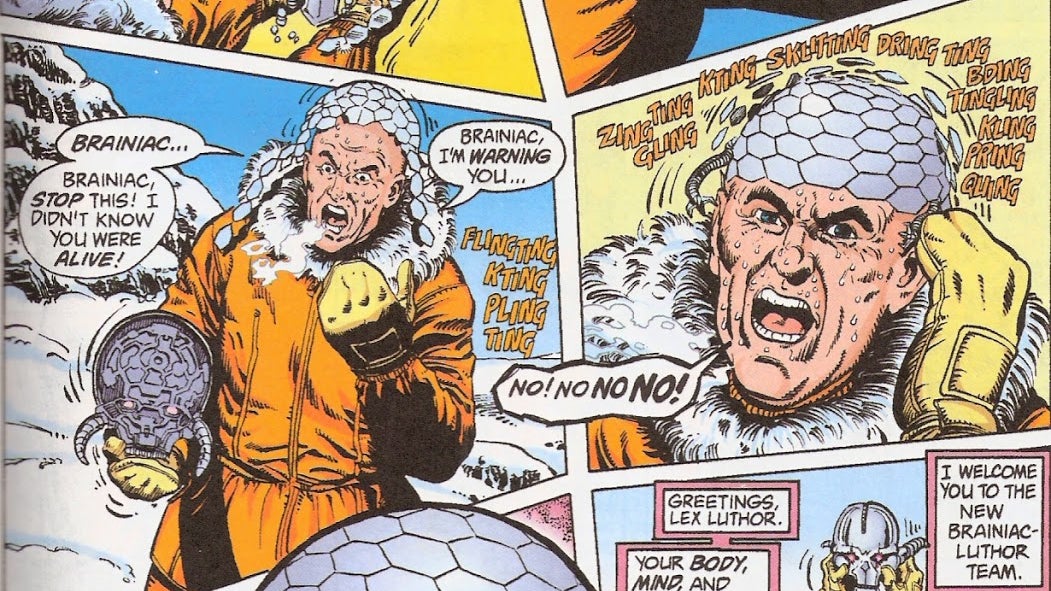
In 1986, Alan Moore created one of the most definitive (and defining) comics in DC history: a final story for Superman in which Lois Lane (now Lois Elliot) narrates Superman’s last days, 10 years after his death. In the adventure, Luthor, who always believes he is doing good, ends up being invaded by Brainiac and creates chaos until, in a moment of lucidity, when he becomes himself again, he asks Lana Lang to do something for him: to break his neck once and for all, a final heroic gesture that actually represents everything we need to know about the character: a villain against his will, but with inner strength and a strange sense of nobility.
John Byrne’s Superman
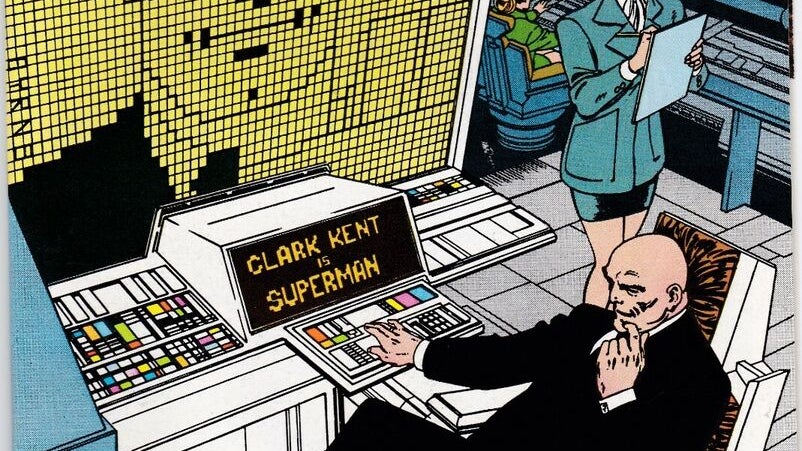
John Byrne forever changed Superman, especially in his early issues: he not only altered crucial parts of his past but also made Luthor his ideal antagonist. In an early story, the villain manages to guess who his enemy really is by inputting data into a computer that gives him an incredible result: Clark Kent is Superman. Luthor, filled with rage, decides to destroy the computer, believing that if it were so obvious, a mind as perfect as his would have reached that conclusion long ago. Luthor is superintelligent, yes, but also deeply selfish. By the way, you should read all of Byrne’s Superman, two fantastic and unrepeatable years.
All-Star Superman
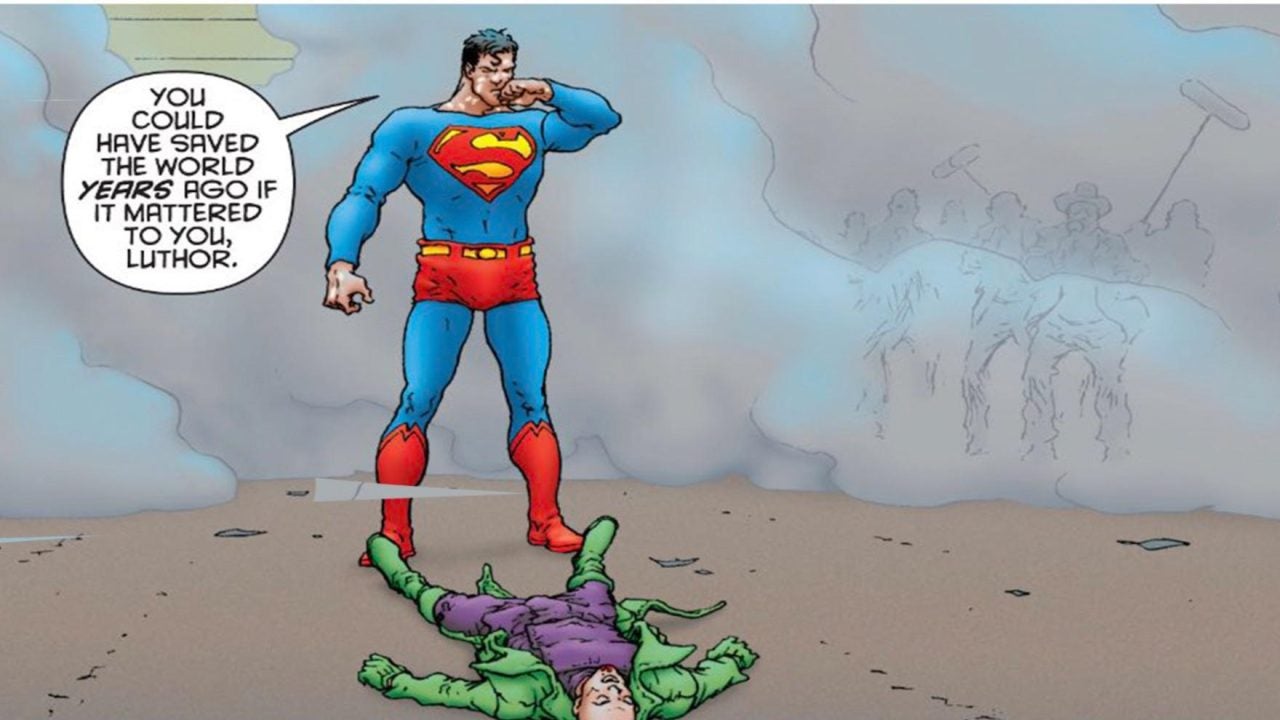
Gunn has previously mentioned All-Star Superman as inspiration for the first movie, and it makes sense: these 12 issues written by Grant Morrison and illustrated by Frank Quitely were incredible, they renewed the character forever. Luthor finally manages to kill Superman, although that has unimaginable consequences. I won’t tell you more: it has been reprinted in a thousand and one ways, and rightly so, because it is a comic that is worth discovering without knowing much more about it.
How much can a man hate?
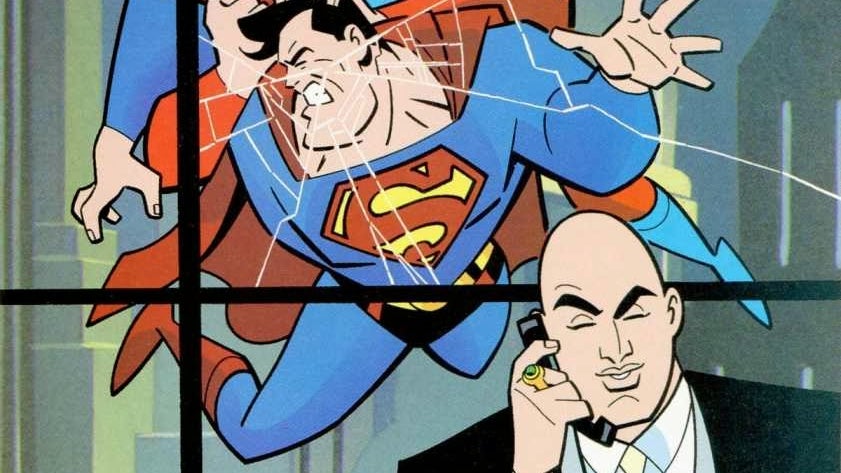
Mark Millar, before becoming well-known in the comic book world, wrote a few small issues seemingly aimed at children but that actually had much more philosophical depth than entire story arcs of the character. In particular, issue 27 of The Adventures of Superman features “How Much Can a Man Hate?”, a story that ends, possibly, with the two best pages in the history of their relationship. First, a flashback in which the villain says “One day, Lex Luthor is going to look down at Metropolis, and everyone will look up at me”, followed by a final page where he is in his tower, high up… watching Superman in the sky, unable to do anything to remedy it. A masterpiece.
Lex Luthor: Man of Steel
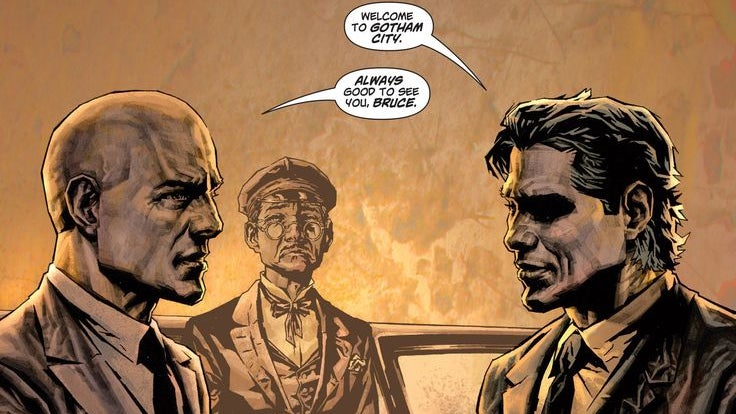
We conclude with one of the most important comics to understand this complex character: one from his point of view. Obviously, Luthor has always seen himself as the hero, and Superman is what prevents the human race from moving forward, because for him, he has always been just another extraterrestrial threat. The ending is perfect, detailing how each of the two sees themselves and their humanity, love, and defeat. A treasure to cherish.
