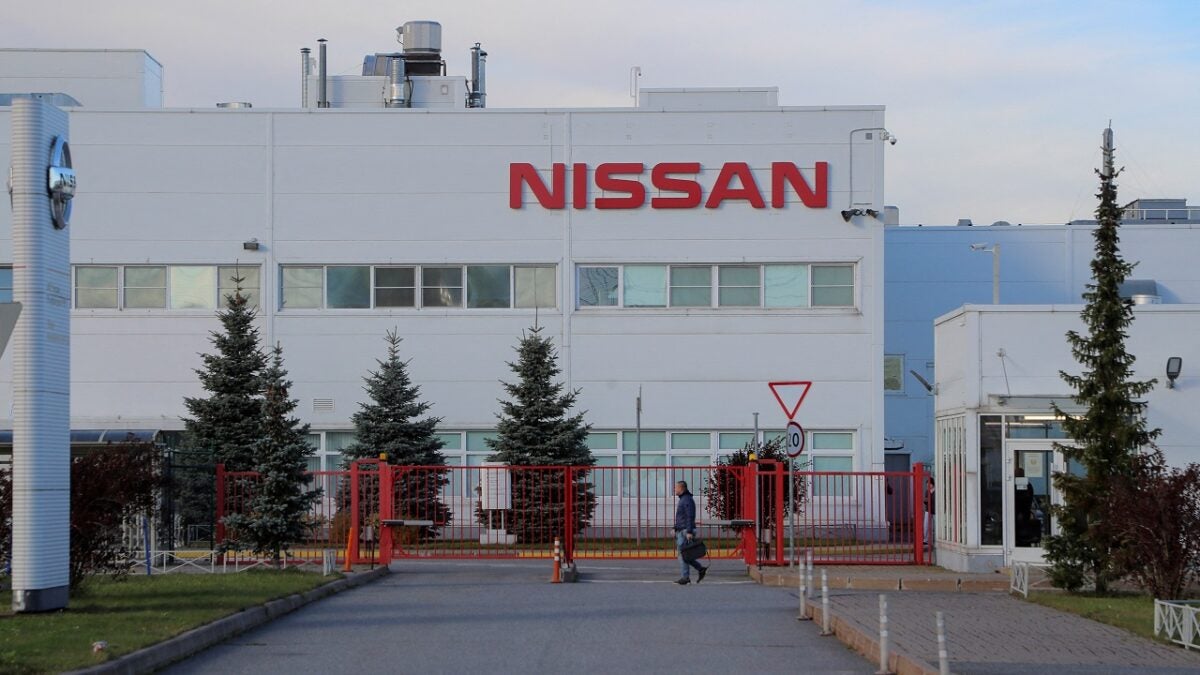
Nissan has officially scrapped plans to build a new lithium iron phosphate (LFP) battery plant in Japan, a facility that was expected to play a crucial role in reducing electric vehicle (EV) battery costs.
This decision comes as the Japanese automaker faces declining sales in key markets, such as China and North America, and anticipates a staggering net loss of up to 750 billion yen ($5.2 billion) for the fiscal year ending in March 2025.
With these financial pressures, Nissan is restructuring its operations and is preparing to eliminate approximately 20,000 jobs globally, representing around 15% of its workforce.
Nissan’s Decision to Halt Battery Plant Highlights Struggles Against Rising EV Competitors
The halted battery plant was projected to produce batteries that would be used in Nissan’s mini vehicles starting in 2028, aiming to cut EV battery costs by 20% to 30%.
Nissan had received recent government approval, along with financial backing amounting to 55.7 billion yen ($384 million) to establish a domestic supply chain for LFP batteries, which would have marked a significant investment of over $1 billion (153.3 billion yen). Nevertheless, the company’s leadership has indicated that they are “considering all options” to restore performance in the face of market challenges.
Despite these setbacks, Nissan is set to launch a next-generation LEAF in the US and Canada later this year. This updated model is expected to offer an impressive driving range of 373 miles (600 km) and will feature a port that allows access to Tesla Superchargers.
However, industry analysts warn that abandoning the LFP plant could hinder Nissan’s long-term competitiveness against rising EV manufacturers like BYD, which are rapidly gaining traction in both existing and emerging markets.
The urgency of Nissan’s situation reflects a broader trend; Japanese automakers, once pioneers in the EV space, now find themselves caught in a race against agile competitors, struggling to reclaim their earlier dominance.